
Memoir Ghostwriter: Your Life Story, Written as a Book by a Working Publisher
You've lived the story. A memoir ghostwriter does the part that stops most people: interviewing you, sorting the material, and writing the book in your voice, with your name on the cover. We're an independent publishing house in Lake City, Colorado, so the person writing your memoir works inside a company that has been publishing books since 1996, with memoir and biography on its own list. The work is done by email, telephone and video, so you don't need to be anywhere near Colorado.
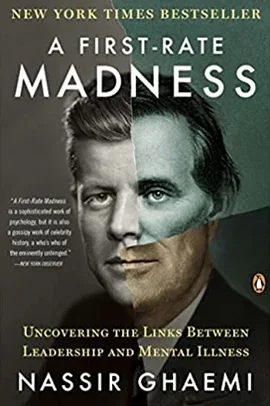

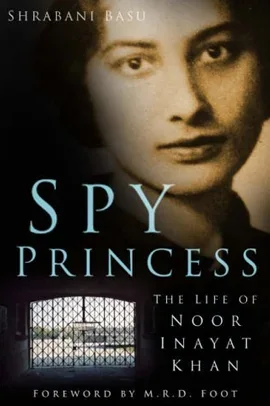
An independent house, not an agency
- Based in Lake City, Colorado, in the San Juan Mountains
- The copyright, royalties and manuscript stay yours
- A non-disclosure agreement is signed before work starts
- Fixed fee, agreed in writing, never billed by the hour
- One team per book: a writer, an editor and a project manager from the first interview to the final file
What a memoir ghostwriter actually does
A memoir ghostwriter is the writer who interviews you, finds the book inside what you tell them, and writes it in your voice. You supply the life. They supply the structure, the scenes and the sentences. The finished book is yours, and your name goes on the cover.
In practice the job is mostly listening and sorting, with typing coming later than people expect. What you'll see along the way is concrete: recorded interviews and their transcripts, a short sample of the voice, a chapter outline you approve, chapters delivered in batches, and finally a clean manuscript.
It isn't the same job as editing. An editor improves pages you wrote. A ghostwriter writes them, from your material. It also isn't co-authorship, where two names share the cover. If you're weighing the three, our pieces on editor, ghostwriter or both and ghostwriter versus co-author lay the differences out.
Credit works the way you decide it works. You're the author. Some authors add a line of thanks to the writer, and many don't. Whether a ghostwriter ever shares in royalties is a contract point settled before work starts, and whether ghostwriters get royalties is worth a read first. On ownership of commissioned writing in general, the Copyright Office publishes a circular on how the US Copyright Office treats works made for hire. Read it for the baseline, and remember that your agreement with the writer is what governs your book.
Is it legal? Yes. You commission the work, you pay for it, and you own it. The one condition is honesty: the life in a memoir has to be the life you lived. Our flagship page covers the wider question, along with all our ghostwriting services.

A life is not automatically a book
This is the part most agencies skip, and it's the part that decides whether you end up with a book or a long document.
A life is a very long run of days. A book is a chosen stretch of it with a question inside. The first job, before a word of drafting, is deciding what yours is about, and the answer is almost never "everything that happened." If you want the longer walk-through, we've written up how to turn your life story into a book step by step.
Every memoir that works carries one question the reader wants answered by the last page. How did a ranch kid end up running the county hospital? What did the war leave behind in the house? Chapters that don't serve that question come out, however true they are. That's the hardest edit for an author to accept and the one that most often saves the book.
The narrator has to change, too. A memoir where the person on page one is exactly the person on page 300 reads like a list of events. So a good deal of the interview work is a hunt for the moment the change began, which is often a small one that you'd never have put on a résumé.
Readers need the room. They need the weather, the smell of the truck, who said what and who left the table. That's why interviews go looking for ordinary detail rather than milestones alone. The dramatic years usually only make sense because of the quiet years around them, so those get airtime too.
Some stories are better as a family keepsake, a long article or a talk than as a book for sale. When we think that's true of yours, we'll say so, and we'll tell you what each version would need. We'd rather give you a straight answer on a first call than take your money for a book that has no reader.
The kinds of memoir writers we work with
People come to us with different books in mind. These are the six we see most, and they overlap more than the labels suggest.
- Life story memoirs. A stretch of years, a theme and a finished book. A full autobiography runs from the cradle to the present in order, and our autobiography writers handle that cradle-to-present shape.
- Career and achievement memoirs. A working life: a rancher, a surgeon, a coach. If the book is really a method or a business argument, it belongs with our business book ghostwriting team instead.
- Family and legacy memoirs. Written for a family, usually in short print runs, often with letters and photographs. Our real life story writing covers true-experience narratives and keepsake books.
- Interview-based memoirs. Someone else's story told through interviews with the subject or with relatives, such as a parent's memoir written by a child. The subject's permission matters here, and we'll talk it through at the start.
- Memoir collections and book-length manuscripts. Work can start with a single chapter or a short piece and grow into a complete book, and we'll tell you if the story wants more room.
- Confidential projects. Written quietly and delivered under your name.
Tell us about the project
Send a few details about memoir ghostwriter and a person on our team will reply with a fixed quote. You'll know the price before any work begins.
Prefer to talk? Call (336) 565-6915, Monday to Friday, 9am to 5pm Mountain Time.
How we write a memoir, from the first interview to the final file
Each stage is approved before the next one starts. That's the point of the order: you're never paying for a draft built on a plan you didn't agree to.
We begin by asking what the book is for. A book for publication, a book for your grandchildren, a book that works as a calling card for your business and a book to settle your own mind are four different projects with different lengths and different costs. If you already have material (letters, notes, a stalled draft), we read a sample of it before quoting. We'll tell you if the manuscript needs an earlier stage than the one you asked for.
The interviews are recorded and transcribed. A good interviewer starts with the room and the weather, not the date. They ask for the story you tell at family dinners, and then for the one you don't. They follow the detail that makes you hesitate. They come back to the same event on a different day, because memory often improves on a second visit. Photographs, letters, old maps and newspaper clippings serve as prompts.
If your book draws on other people's recollections, such as siblings, old colleagues or neighbors, those conversations follow the same care. The Oral History Association's best practices for recorded interviews are the standard in that field on consent and recording, and we like to start from them.
Next the writer lays out a timeline, then a chapter-by-chapter outline that says what each chapter is for. You read it and correct it. Changing the plan at this stage costs an afternoon. Changing it at chapter twelve costs weeks. A short voice sample, a page or two, arrives now too, so you can say "yes, that's me" or "not quite" before 60,000 words exist.
Chapters arrive in batches, so you react early. The first batch is the checkpoint. If it doesn't sound like you, the brief gets fixed, or the writer is changed, without you paying twice for the same chapters.
Revision runs in rounds: a structural pass first, then a line-level pass. You get the clean manuscript and the final files. From there the book can go on to book editing services and layout, or on to publishing, if you want it to.
The timeline is agreed in writing before work starts. It depends mostly on how soon the interviews can happen and how quickly you read each batch. Our notes on ghostwriting timelines go through what stretches a schedule and what shortens one.
Protecting your voice
The biggest worry we hear from first-time authors is "it won't sound like me." It's a fair worry, and the process is built around it.
A ghostwriter learns your voice by reading your transcripts for rhythm: whether you speak in short sentences or long ones, where you swear, what you'd never say. They collect the phrases you reach for and write to the ear, not the eye. That's why the voice sample comes before the drafting.
Some things stay. The grammar you actually use stays, and so does your humor, or your lack of it, and so does your region. A Western rancher's memoir shouldn't read like a New York literary novel.
Some things get tidied. Spoken language has false starts, repetitions and filler, and a page can't carry as much of that as a conversation can. The craft is trimming without flattening, so the person who reads the book would still recognize the person who talked.
And you push back. Every batch is read and marked by you, and a note saying "this isn't me" is expected, never rude. It's the cheapest correction in the whole project.
One word on AI chat tools, since readers ask. They can't interview you and they don't remember your life, which is why a memoir drafted by one tends to come out generic. A book needs a person who listens, asks the follow-up and checks the facts.
If you'd like to hear it from authors rather than from us, read what our authors say.
If you'd like to hear it from authors rather than from us, read what our authors say.
Real people, real facts: permissions, memory and the law
Most writing about memoir skips this part, and it's the one we'd read first if we were hiring. Everyone in a memoir is a real person with a view of what happened. Handle that well and the book is safe to hand to your family. Handle it badly and the trouble tends to come from the people you love, not from a courtroom.
A word before we start: what follows is how a publisher thinks about these questions. It's general information, not legal advice. For your book, a lawyer who works with authors or publishers should advise you on your specific situation.
The usual options for someone who appears in your story are these. Use their real name when the person is a public figure or the portrayal is plainly fair. Change the name and the identifying details when the person is private or the story is unflattering. Or blend people into a composite, or leave someone out altogether. When names are changed, memoir convention is to say so in an author's note near the front. Whether to show the book to the people in it before it's published is your call, and we'll talk through how that tends to go.
Memory is honest and unreliable at once. The writer checks dates and places against whatever documents exist: letters, newspapers, records, photographs. Where two relatives remember an event differently, the book can say so, or you can choose one version, and the choice is yours. Dialogue from forty years ago is reconstructed, not transcribed, and the author's note says so. What no one should do is invent a scene and present it as fact.
Anyone can file a lawsuit over anything. The real question is whether a book makes a false statement of fact that harms a named person's reputation. Cornell Law School's Legal Information Institute explains what defamation means in US law: a statement that harms another person's reputation, which in a claim generally means a false statement presented as fact, shared with others, with the required level of fault and some harm. Truth is generally a complete defense. The rules and the details vary from state to state, and they differ depending on whether the person is a public figure or a private one.
The practical lesson is to be most careful where a book names an identifiable private person, accuses someone of a crime, or touches on health or sexual conduct, because those are the categories where the stakes are highest. Privacy is a separate worry from defamation, and the rules on each differ by state.
We're a publisher, not your lawyer, and nothing here is a promise that a book is safe from a claim. If your manuscript says hard things about named people, put it in front of a media or publishing lawyer before it goes to print.
The most common risk in a memoir isn't a lawsuit. It's a sister who remembers the Christmas of 1974 differently, or a cousin who didn't know. Tell the people you're going to write about before the book is finished. Decide which truths are private and which are yours to publish. And keep cut material in a separate file instead of deleting it, so you can reconsider later.
We won't invent credentials, passages or events and present them as true. A memoir is supposed to be what happened.
For the ownership side, our guide on how to copyright a book explains registration in plain terms.
Hire a memoir ghostwriter who treats it as a book
Tell us who the book is for and what happened. We'll read what you have and tell you, plainly, whether it's a book.
What a life story book looks like on the page
It helps to picture the object you're buying. These are the choices that shape it.
Chronological or thematic
Chronology is the easiest build to read and the safe default. A thematic build, with chapters organized around work, a place or a loss, suits a life that has too many years to walk through in order.
The frame
Some memoirs open with a scene set near the end and then go back to the start. It works when the ending is stronger than the beginning. Skip it when the plain beginning is the better hook.
The opening
Start where the story starts, not at birth. A reader will usually give a memoir about twenty pages before deciding whether to stay.
Length
Our own range for a memoir or family history is 50,000 to 70,000 words. Many family books run shorter, and a short memoir is a real, publishable thing: our price list has a short book row for 20,000 to 35,000 words. If you're mapping chapters yourself, our guide on how to outline a book is a good place to start.
What goes around the text
An author's note, a family tree or a timeline, photographs with captions and acknowledgements all earn their place in a memoir. On photographs, reproduce only what you own or have cleared.
The ending
It doesn't have to be happy. It has to be earned and honest.
What a memoir ghostwriter costs
We publish the starting price because a "contact us for a quote" page wastes your time. The figures below come from our full published price list.
Our rates
Ghostwriting is quoted between $0.20 and $0.32 a word, or as a flat project fee, which most authors prefer. A memoir or family history starts from $12,000 for 50,000 to 70,000 words, built from interviews, letters and photographs and written in your voice. A short book or long-form piece starts from $6,000 for 20,000 to 35,000 words. Rewriting an existing draft is $0.12 a word. These are starting prices, not flat rates. We read a sample or take a brief first, then send one number in writing. The fee is fixed and there's no hourly billing.
What moves the price
Length comes first. After that, how many interviews the story takes and how much research it needs, and finally the deadline. A memoir built from conversations usually costs less than a business book whose claims have to be checked against sources. A lot of archival work, a long list of relatives to interview and a short deadline all push a quote up.
How you pay
Ghostwriting is paid in stages against delivered chapters. We do not ask for a full project fee up front. There are no packages here: you buy the stages your book needs and nothing else.
Where that sits in the market
Industry rates for ghostwriting run from about ten cents to a dollar a word. Ours sit between twenty and thirty-two cents. Our piece on what it costs to have someone write a book about your life goes through the whole market, and our flagship page has all our ghostwriting services if you want the other book types priced beside it.
Why a working publisher is a good place to write a memoir
Most of the pages you'll find for this are a single writer or an agency. We're a publisher, and the difference shows up in a few ways.
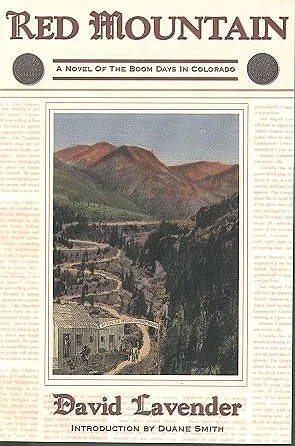
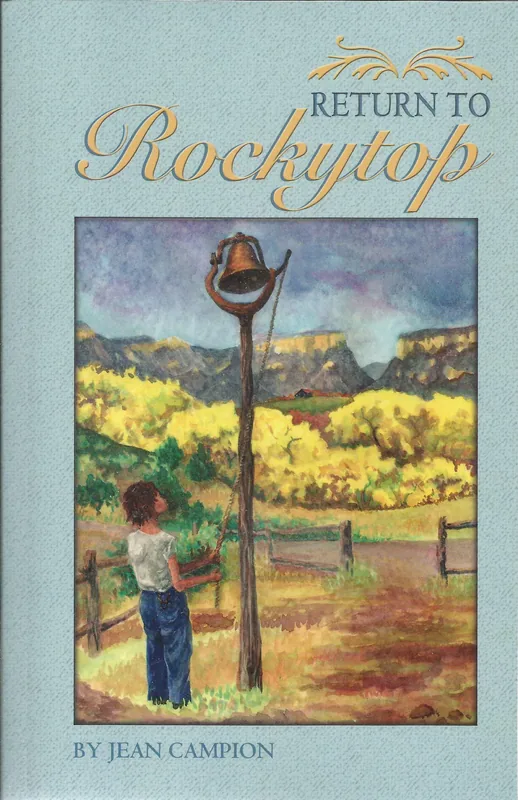
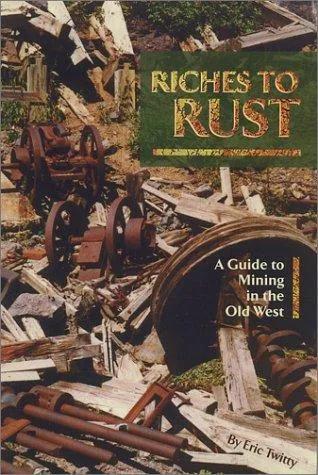
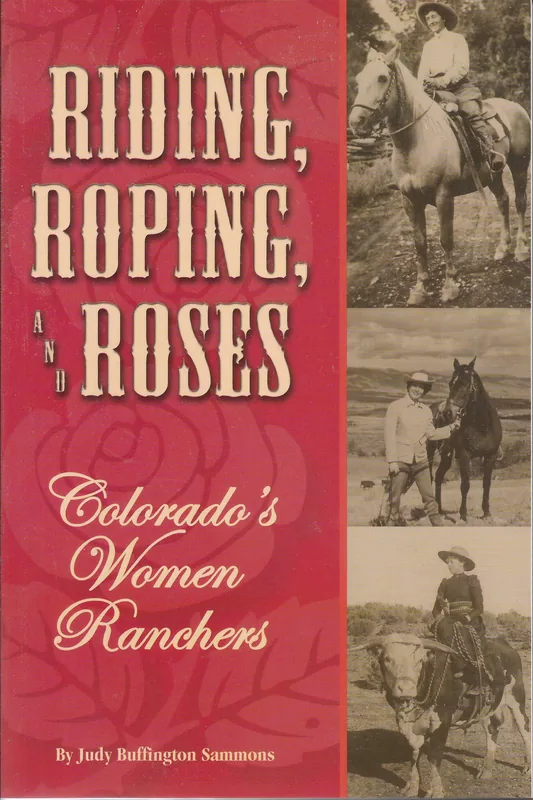
We've been publishing since 1996, and regional history, biography and memoir sit on our own list, so we've read memoirs as publishers, not just as writers. The editorial board reads every submission. When you hire us to write your book, you get a second opinion you didn't have to ask for: whether the idea carries a whole book, who the readers are, and what the manuscript needs before anyone would acquire it.
There are two routes after the writing is done. If the editorial board acquires a book, the house pays for editing, design, printing and distribution, and the author pays nothing. Authors publishing independently buy the services they need at published rates. Either way your finished manuscript has somewhere to go, and it's free to go anywhere else. You can look at our portfolio to see what we've published, or submit a manuscript when you have one.
And if we can't do your book well, we'll turn it down and tell you what the book needs instead.
And if we can't do your book well, we'll turn it down and tell you what the book needs instead.
Is this the right way to write your memoir?
- You have a story and no time, or no habit of writing.
- You've written pages and they aren't holding together.
- You want it done privately, for a family.
- You're a professional and your career story is the book.
- You want to write it yourself and only need a read. A manuscript assessment or developmental editing services will cost you far less.
- Your story is mainly a method or an argument. That's a job for business book ghostwriting.
- You want a guaranteed bestseller. Nobody can promise one, and we won't.
A memoir is a slice of a life with a theme. An autobiography is a whole life in order. A real life story is a true experience told as narrative. If you can't tell which one yours is, start here, and we'll sort it out on the first call.
What people worry about before they hire
Will it sound like me?
The voice sample arrives before drafting starts, and every batch gets your marks. The section on protecting your voice has the detail.
Will my family be exposed?
A non-disclosure agreement is signed before work starts, and the permissions section above covers how people in the book are handled.
What if I hate the first chapters?
That's what the first batch is for. It's a checkpoint, and the brief changes, or the writer does, before you've paid twice.
Who owns it?
You do. The copyright, royalties and manuscript stay yours, and nothing you sign takes ownership of the work.
Can I see the writing first?
We read a sample of what you have, and we send a voice sample before drafting.
Questions we get asked
How much is a ghostwriter for a memoir?
Ours is quoted at $0.20 to $0.32 a word or as a flat fee, and a memoir starts from $12,000 for 50,000 to 70,000 words. Length, interview time, research and the deadline set your number. You pay in stages against delivered chapters. The full price list has the rest.
What is a memoir ghost writer?
A writer who interviews you, finds the story in what you say and writes it in your voice, with your name on the cover. You supply the life and they supply the structure and craft. They're not an editor, who works on pages you wrote, and they're not a co-author, who shares the byline.
Can I get sued for writing a memoir?
Anyone can sue, but the real risk is a false statement of fact that harms a named person. Truth, fair portrayal and changed names for private people all help, and a careful read lowers the risk. We're publishers, not your lawyers, so for anything serious a media lawyer should read the manuscript.
Is having a ghostwriter illegal?
No. You commission and pay for the work, and the copyright is yours. The condition is honesty: a memoir has to be what happened. Our ghostwriting services page answers the wider question about fairness and disclosure in more depth.
Do memoir ghostwriters get credit or royalties?
That's settled in the contract before work starts. Your name is on the cover, and the writer is paid the quoted fee, in stages. Many authors add an acknowledgement, which is their choice. See whether ghostwriters get royalties for more.
How is a memoir different from an autobiography?
A memoir takes one stretch of a life around a theme. An autobiography takes the whole life in order. A true experience told as narrative, such as a single year or event, sits with real life story writing, and a cradle-to-present book sits with our autobiography writers.
How long does it take, and how many interviews will I need?
The timeline and the interview schedule are agreed in writing before work starts. Both depend on how available you and your relatives are, and on how fast you read each batch. Memoirs built from a lot of records or many relatives take longer than a single narrator's story.
Can AI write my memoir?
A chat tool doesn't interview you or remember your life, so its drafts come out generic, and nobody answers for its facts. A person who listens to your own material, checks it and shapes it is a different job. If you're curious how it plays out, send us a page and we'll talk.
Will it really sound like me, and do I need writing experience?
You don't need any. Bring the story and the patience to talk it through. The writer works from your transcripts and sends a voice sample before drafting, and you mark every batch. If something isn't you, it gets fixed before the next batch begins.



The testimonials of all our wonderful clients
Our clients love to share how it felt to work with us. Here is what some of the authors we have partnered with had to say about the experience.
★★★★★“Working with the Western Reflections Publishing team was a great experience. I came to them with a book idea but needed help structuring it into a finished manuscript. They took the time to learn my objectives right away, communication stayed consistent throughout, and the writers did a great job keeping my voice while improving the structure and flow. I was impressed by how well the finished manuscript reflected my vision.”
Olivia Adams
★★★★★“Western Reflections Publishing took my half-baked idea and turned it into something beautiful. Sarah, my editor, was incredibly patient with me. The cover design team nailed my vision, and the publishing process was smooth. Seeing my book on Amazon is surreal. I'm beyond grateful for their services.”
Amy Tosh
★★★★★“I'm beyond impressed with the editing team at Western Reflections Publishing. They didn't just fix my grammar; they truly understood my voice and helped refine the narrative flow of my book. The transformation from my initial draft to the final version is incredible. If you want your book to stand out, this is the place to go.”
Dakota Bailey
★★★★★“I've published multiple titles, but working with Western Reflections Publishing for my latest release was the smoothest experience yet. From editing to marketing to distribution, their team was professional and responsive. It's clear they truly care about their authors' success, and the best part was that they valued my input and let me take the lead.”
Betty Lentz
★★★★★“I honestly didn't expect the publishing process to feel this smooth, but Western Reflections Publishing made it surprisingly easy. Their editing and formatting teams were thorough and attentive, and they guided me step by step. I felt supported the whole way, which gave me the confidence to finally share my book with the world.”
Caleb Hudson
★★★★★“I was pleasantly surprised by how smooth the process was with Western Reflections Publishing. Their developmental editing brought new clarity to my manuscript, and the formatting team delivered a polished, professional final version. The team's support and clear communication made the entire publishing experience easy to navigate.”
Madison Palmer
Tell us about the book inside your life
Your story deserves a real book. Tell us about it and we'll send one number, in writing. Our memoir writing services start from $12,000 for a full-length memoir. You can call (336) 565-6915 on weekdays, 9am to 5pm Mountain Time, or write to info@westernreflectionspublishing.com.
Every service, in one place
- Ghostwriting Services
- SEO Writing
- Article Writing
- Web Copy Writing
- Press Release
- Script Writing
- Magazine Writing
- Legal Ghostwriting
- Medical Ghostwriters
- Podcast Scriptwriting
- Real Life Story Writing
- Scientific Ghostwriting
- Screenplay Script Writing
- Songwriting Services
- Speech Script Writing
- Technical Ghostwriting
- Twitter Ghostwriting
- Brand Storytelling
- Business Book Writing
- Children’s Book Writing
- Comic Book Writing
- Corporate Writing Services
- Rewriting
- Resume Writing
- Ghostwriting in Arizona
- Ghostwriting in Colorado
- Ghostwriting in Georgia
- Ghostwriting in Illinois
- Ghostwriting in Kansas
- Ghostwriting in Nebraska
- Ghostwriting in New Mexico
- Ghostwriting in New York
- Ghostwriting in North Carolina
- Ghostwriting in Ohio
- Ghostwriting in Oklahoma
- Ghostwriting in Pennsylvania
- Ghostwriting in Texas
- Ghostwriting in Utah
- Ghostwriting in Virginia
- Ghostwriting in Washington