Copyediting Services That Leave You a Clean Manuscript and a Style Sheet
Our copyediting services make your book correct and consistent: grammar, usage, spelling, punctuation and the thousand small calls a long manuscript forces on you. You keep the tracked changes and a style sheet that records every decision. The pass sits after any structural or line work and before layout and the proofread.

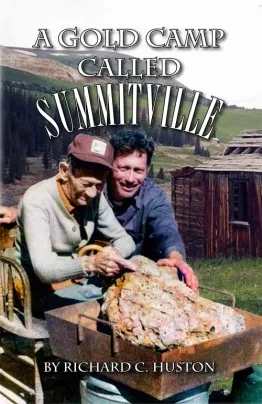
We're an independent publisher in Lake City, Colorado, and we've published books since 1996. A free quote starts with a sample of your pages.
Why authors send us manuscripts
- Copyright, royalties and the manuscript stay yours, and we sign an NDA before you send a page.
- One fixed fee, quoted before work begins. No hourly billing.
- Our own list is regional history, biography and memoir, books full of names and dates that have to agree.
- The editorial board reads every submission we receive.
What a copyedit is, and where it sits among the four levels
A copyedit is the technical correctness pass. It's done on the manuscript while it's still a Word file, and it covers grammar, usage, spelling, punctuation and consistency across the whole book. The copyeditor reads for what's wrong or inconsistent, not for what could be better. That distinction matters. A copyeditor doesn't restructure your chapters and doesn't rewrite your sentences for rhythm.
Every edit that isn't a copyedit sits on one side of it or the other.
- A developmental edit settles structure first: what stays, what moves, what's missing.
- A line edit works on how sentences read: rhythm, clarity, repetition, voice.
- Proofreading on the typeset pages is the last check, after layout has introduced its own small mistakes.
The copyedit is the one in the middle that asks a single question of every line: is it right, and does it agree with everything else in the book? Our book editing services page lays all four levels side by side. If you'd rather scope several of them as one project, that's what our manuscript editing services are for.
What our copyediting services check
Authors often picture a copyedit as a comma hunt. The commas are there, but the heavier work is holding a whole book in mind at once.
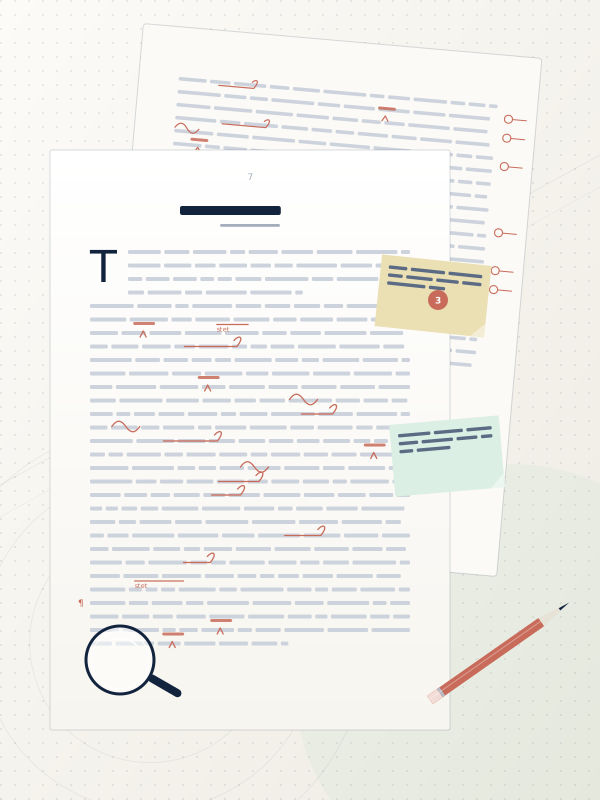
Subject and verb agreement, tense slips, misplaced modifiers, comma splices and run-ons, stray apostrophes, quotation and dialogue punctuation, "lay" and "lie," "that" and "which." Every correction is made in tracked changes. Voice survives: a fragment you wrote on purpose stays a fragment.
One spelling per word across the book, and the editor keeps a running hyphenation list ("well known" before a noun, "well-known" after one; "e-mail" or "email"). The serial comma gets applied the same way every time. So do capitalization of titles, ranks and places, "the Internet" versus "the internet," and the way numbers and dates are written. Tell us which spelling and style guide you're using and we'll work in it.
This is where a book earns or loses a reader's trust. Name spellings. A character's age, eye color or hometown agreeing from chapter two to chapter eleven. A timeline in which Tuesday doesn't become Thursday two pages later. Distances, ages and dates that add up. Cross-references ("see Chapter 4") that still point at the right chapter. Heading levels that follow one pattern, and captions, lists and block quotes that are set the same way each time.
Genre changes where the editor looks hardest. In fiction it's continuity and dialogue punctuation. In memoir it's dates and the names of real people. In nonfiction and business books it's figures, citations and terminology. In a children's text it's every word, because a book that short has nowhere to hide an error.
Let's be exact about the limit. At the copyedit level, fact-checking means checking the manuscript against itself and against what you supplied: your interview notes, your sources, your timeline. It isn't independent research. Where two things disagree, a good editor asks rather than guesses. Readers lose faith over a wrong date faster than over a clumsy sentence, so these questions are worth answering.
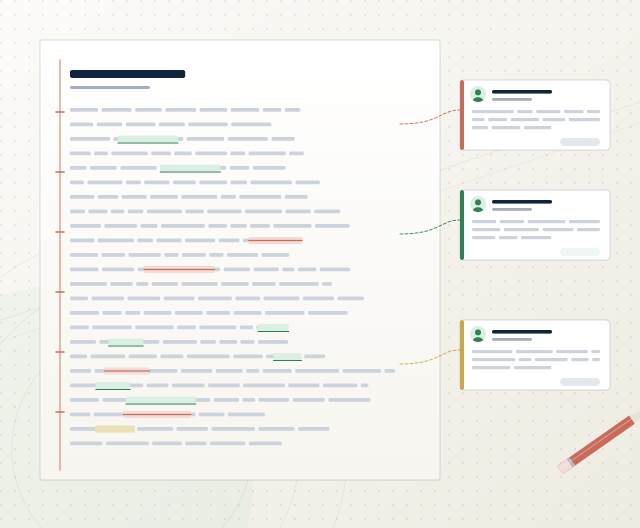
What a query looks like (an example, not a real client):
p. 41: The text says the ferry ran from 1904; your note on p. 12 says 1909. Which stands? p. 88: "Well-known" is hyphenated here and open ("well known") on p. 63, both before a noun. Hyphenate throughout?
One question each, specific, polite, and easy to answer in a word.
The style sheet: the document a copyeditor builds for your book
A style sheet is the real by-product of a book copyedit, and the one authors tend to be surprised by. It's a short working document that records every decision the editor made, so that the decisions outlast the editing.
The spelling of every proper name, place and invented word. Capitalization calls. The hyphenation and compound-word list. Serial comma, yes or no. How numbers, dates, times and percentages are written. Abbreviation and acronym rules. Dialogue conventions, and any place you've deliberately departed from the style guide. The timeline and character ages, if the book needs them. A short memoir might need one page. A novel with a large cast and an invented geography can run to several.
The proofreader, so that a corrected "judgment" isn't flipped back to "judgement." The formatter, who needs your spellings for running heads and the table of contents. Whoever edits your sequel or your second edition. And you, on the next book. That's why the sheet belongs to you, and why a copyedit with no style sheet is half a job. If you'd like to start one before any editor touches the book, try our free style sheet builder.
For most American trade books, meaning novels, memoir, narrative nonfiction and business books, the working reference is the Chicago Manual of Style, usually with Merriam-Webster as the dictionary. The Chicago Manual of Style Q&A shows the kind of real-world calls an editor makes and writes down. AP suits journalism, a lot of business communication and some corporate books, and the AP Stylebook is its home. One difference authors notice at once: Chicago uses the serial comma and AP generally leaves it out of simple series.
If you have a publisher's house style, send it. The editor records your choice and every departure from it on the style sheet.
Tell us about the project
Send a few details about copyediting services and a person on our team will reply with a fixed quote. You'll know the price before any work begins.
Prefer to talk? Call (336) 565-6915, Monday to Friday, 9am to 5pm Mountain Time.
What you receive: tracked changes, questions and a style sheet
Here's what physically lands in your inbox.
- Your manuscript in tracked changes. Every correction is visible and reversible, so you decide what stays.
- Questions where a fix would be a guess. Anything the editor can't settle alone comes back to you rather than being decided quietly.
- The style sheet. Yours to keep, and yours to hand to the proofreader and formatter.
- A clean copy, when you want one. Accept or reject each change in Word and what's left is your clean file.
- The same team for follow-up. If you don't see why a change was made, you can ask the editor who made it.
The scope is agreed in writing before work starts. A copyedit is not a rewrite and not a restructure. If the editor spots a problem that belongs to another level, say a muddled middle chapter or a thin ending, they'll tell you so and you decide whether to add that stage.
If the editor spots a problem that belongs to another level, say a muddled middle chapter or a thin ending, they'll tell you so and you decide whether to add that stage.
When the copyedit belongs in your project, and when it doesn't
Ready for a copyedit
Your structure is settled, because you or a developmental editor have fixed the shape. The sentences read the way you want, or a line edit is already done. The next stop is layout. Copyedit before you pay a formatter, because every change made after layout costs more than the same change made before it. Our book formatting team would rather receive a clean file than reflow pages twice.
Not yet
If chapters are still moving, a copyedit gets undone by your next revision. If the writing needs work on rhythm and clarity, buy a line edit first. If you can't tell which you need, the types of book editing, explained will help, and so will how to self-edit your book first. For many well-built drafts the copyedit is the one stage they truly need.
Not instead of the proofread
A copyedit happens on the manuscript. Layout then introduces new errors of its own: a bad break, a missed heading, a flipped word. Catching those is the job of the proofread, a separate and cheaper pass on the typeset pages.
How a copyedit runs, step by step
Then we agree the scope and a fixed fee.
The edited manuscript and the style sheet are yours.
What a copyedit costs, with a worked example
A copy edit is $0.023 a word. The minimum fee is $450 a pass, so very short books land on the minimum, at roughly 20,000 words and below. Payment is half on booking and half on delivery, and we don't ask for a full fee up front. The fee is fixed and agreed in writing before work starts. There's no hourly meter running.
Here are the numbers, worked out from the published rates. They're arithmetic, not quotes.
- An 80,000-word novel (about 300 pages in a trade paperback): 80,000 x $0.023 = $1,840.
- A 50,000-word memoir: 50,000 x $0.023 = $1,150.
- A 12,000-word picture-book text or short guide: the sum comes to $276, so the $450 minimum applies. Reading the whole thing and building a style sheet takes about the same set-up time whether the book is short or long, which is why a minimum exists.
- Copyedit plus proofread on that 80,000-word novel: $1,840 + $1,280 = $3,120.
The rate is per word, and two things move your final number: the length, and how clean the draft is. That's why we read a sample before we quote. One copy edit rate is published, and the sample tells us whether it fits your manuscript.
For a yardstick outside our own house, the Editorial Freelancers Association rate survey lets you sanity-check any copyediting quote, ours included. Every editing rate we publish is on one page, and what book editing costs across all four levels is on the editing hub.
For a yardstick outside our own house, the Editorial Freelancers Association rate survey lets you sanity-check any copyediting quote, ours included.
Why authors give their copyedit to a publisher's editors
We copyedit books for a living and publish them
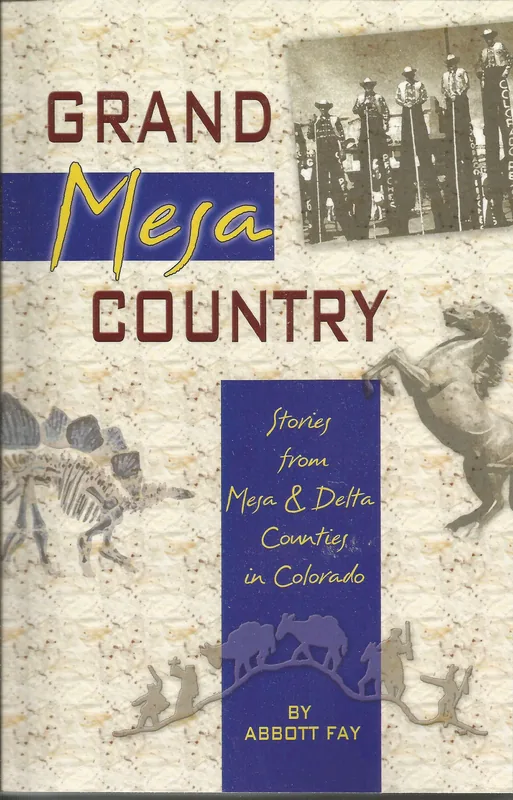
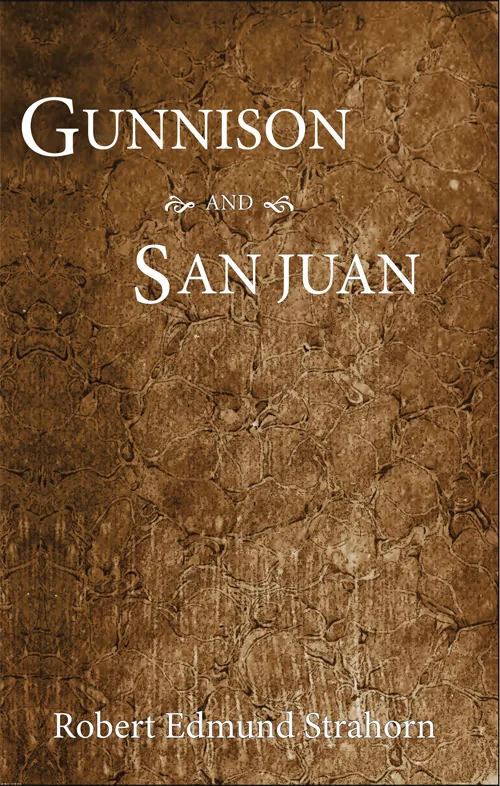
Our back catalogue runs to regional history, biography, memoir, and Colorado and Western writing, and the editorial board reads every submission. We know what a clean book looks like from both sides of the desk.
One team per book
A writer, an editor and a project manager stay with your book. Nobody has to re-learn it between stages.
An honest no
If the manuscript needs an earlier stage, we say so and explain what it needs. Sometimes that's cheaper than the pass you asked for.
Your rights stay yours
Copyright, royalties and the manuscript are yours, and nothing you sign takes ownership of the work.
Who our copyediting services are for
- Independent authors about to format and publish.
- Authors whose manuscripts have had a developmental or line edit and now need a correctness pass.
- Memoirists and nonfiction writers with dates, names and quotes to keep straight.
- Business-book authors with terminology and figures to hold steady.
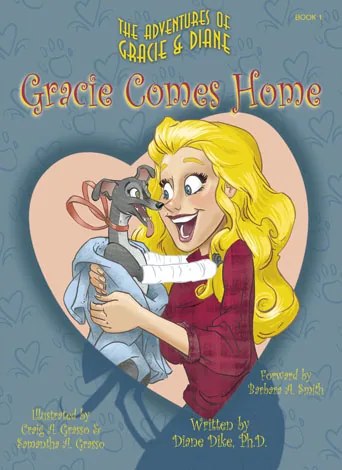
- Children's and short-form authors, where every word counts.
If you need the book written or rewritten rather than corrected, see our ghostwriting services or rewriting services. If you'd like the house to consider the book itself, submit your manuscript. There's no reading fee and you get a written reply either way.
Questions authors ask before they hire a copy editor
Will a copy editor change my voice?
Corrections arrive as tracked changes, and you accept or reject each one. A deliberate fragment or a stretch of dialect stays, and the style sheet notes that it's intentional.
I'm self-publishing. Do I really need one?
Readers forgive an odd sentence. They stop trusting a book that spells a character's name three ways, and reviewers notice. One pass is the cheapest insurance in the whole project.
Can't Word or Grammarly do this?
Software catches surface errors. It can't keep a whole book's decisions in mind, and that's what a style sheet is for. The fuller answer is in the questions below.
What our authors say
Authors tell it better than we do. Read more on our testimonials page.
Questions we get asked
How much do copy editors charge?
It varies, per word or per hour, depending on the editor. Ours is per word and fixed: $0.023 a word, with a $450 minimum a pass, agreed in writing before work starts and never billed hourly. Cost scales with length, and a sample read confirms the plain rate fits. See every editing rate we publish.
How much does it cost to copyedit a 50,000-word book?
At $0.023 a word, 50,000 words comes to $1,150. A common pairing is a copyedit plus a proofread at $0.016 a word, which is $1,150 + $800 = $1,950. That's arithmetic from our published rates, not a quote. Send us your real word count for a fixed fee.
What is the difference between copy editing and proofreading?
Copyediting happens on the manuscript. It fixes grammar, usage and consistency, and it builds the style sheet. Proofreading is the final check on typeset pages for typos, bad breaks and anything earlier passes moved. Copyedit first, proofread last. Our proofreading services page covers the second pass.
What does a copy editor actually do?
A copy editor corrects grammar, usage, spelling and punctuation, and applies one style guide throughout. They keep the book consistent on names, dates, numbers and hyphenation, ask the author about what they can't settle, and build a style sheet. They don't restructure the book or rewrite it for rhythm.
Which style guide do copy editors use: Chicago or AP?
Most American trade books use the Chicago Manual of Style. AP suits journalism and much business writing. Tell us which you want, or send your publisher's house style. Any departure from the guide is logged on the style sheet so the proofreader and formatter follow the same rules.
Do I need a developmental or line edit before a copyedit?
Not always. If the structure is settled and the sentences read the way you want, a copyedit is the right next step. If chapters are still moving or the prose needs shaping, do that first, because fixing commas in a chapter you later cut is money spent twice.
Can ChatGPT edit my manuscript?
You can use it, and it will catch some surface errors. It can't hold a book's style decisions steady across 80,000 words, it can flatten your voice or invent details, and it takes no responsibility for a fact. Use it for a first self-edit, then bring a human editor for the copyedit.
Are there different levels of copy editing, such as light or heavy?
Some services sell light, medium and heavy copyedits. We publish one copy edit rate, $0.023 a word. If your writing needs more than correction, we'll say so after reading your sample and suggest a line edit instead.
Can I hire someone to edit my dissertation?
We edit books. A dissertation follows your institution's own formatting and citation rules, so check with your graduate school or a specialist academic editor. If the dissertation is becoming a book, we're the right place to bring it.
The testimonials of all our wonderful clients
Our clients love to share how it felt to work with us. Here is what some of the authors we have partnered with had to say about the experience.
★★★★★“Working with the Western Reflections Publishing team was a great experience. I came to them with a book idea but needed help structuring it into a finished manuscript. They took the time to learn my objectives right away, communication stayed consistent throughout, and the writers did a great job keeping my voice while improving the structure and flow. I was impressed by how well the finished manuscript reflected my vision.”
Olivia Adams
★★★★★“Western Reflections Publishing took my half-baked idea and turned it into something beautiful. Sarah, my editor, was incredibly patient with me. The cover design team nailed my vision, and the publishing process was smooth. Seeing my book on Amazon is surreal. I'm beyond grateful for their services.”
Amy Tosh
★★★★★“I'm beyond impressed with the editing team at Western Reflections Publishing. They didn't just fix my grammar; they truly understood my voice and helped refine the narrative flow of my book. The transformation from my initial draft to the final version is incredible. If you want your book to stand out, this is the place to go.”
Dakota Bailey
★★★★★“I've published multiple titles, but working with Western Reflections Publishing for my latest release was the smoothest experience yet. From editing to marketing to distribution, their team was professional and responsive. It's clear they truly care about their authors' success, and the best part was that they valued my input and let me take the lead.”
Betty Lentz
★★★★★“I honestly didn't expect the publishing process to feel this smooth, but Western Reflections Publishing made it surprisingly easy. Their editing and formatting teams were thorough and attentive, and they guided me step by step. I felt supported the whole way, which gave me the confidence to finally share my book with the world.”
Caleb Hudson
★★★★★“I was pleasantly surprised by how smooth the process was with Western Reflections Publishing. Their developmental editing brought new clarity to my manuscript, and the formatting team delivered a polished, professional final version. The team's support and clear communication made the entire publishing experience easy to navigate.”
Madison Palmer
Send the manuscript, get a straight answer
Send us a sample and tell us your word count, your style guide (Chicago, AP or house) and whether the book has had a developmental or line edit. We'll read the sample, tell you what the book needs and quote a fixed fee. Call (336) 565-6915 or write to info@westernreflectionspublishing.com. Prefer to be published rather than just edited? Submit your manuscript for publication.
Every service, in one place
- Ghostwriting Services
- SEO Writing
- Article Writing
- Web Copy Writing
- Press Release
- Script Writing
- Magazine Writing
- Legal Ghostwriting
- Medical Ghostwriters
- Podcast Scriptwriting
- Real Life Story Writing
- Scientific Ghostwriting
- Screenplay Script Writing
- Songwriting Services
- Speech Script Writing
- Technical Ghostwriting
- Twitter Ghostwriting
- Brand Storytelling
- Business Book Writing
- Children’s Book Writing
- Comic Book Writing
- Corporate Writing Services
- Rewriting
- Resume Writing
- Ghostwriting in Arizona
- Ghostwriting in Colorado
- Ghostwriting in Georgia
- Ghostwriting in Illinois
- Ghostwriting in Kansas
- Ghostwriting in Nebraska
- Ghostwriting in New Mexico
- Ghostwriting in New York
- Ghostwriting in North Carolina
- Ghostwriting in Ohio
- Ghostwriting in Oklahoma
- Ghostwriting in Pennsylvania
- Ghostwriting in Texas
- Ghostwriting in Utah
- Ghostwriting in Virginia
- Ghostwriting in Washington