
Business Book Ghostwriter for Founders, Executives and Experts
You've built something worth explaining, and a business book ghostwriter is how it gets onto the page without costing you a year of evenings. We're an independent publishing house, so the writer on your book works alongside the editor and the people who will design and print it. The idea, the experience and the name on the cover are yours. If you're looking for a ghostwriter for a business book, start by telling us who it's for.


Why people trust the house
- An independent publisher in Lake City, Colorado, in business since 1996, with a back catalogue you can look at
- A non-disclosure agreement signed before you send us anything
- A fixed fee, agreed in writing before work starts
- One writer, one editor and one project manager on your book from the first interview to the final file
Why most business books never do their job
Anyone who has edited a shelf of business manuscripts can sort them into a handful of piles. The long blog post, forty thousand words of one idea stretched thin. The brochure with chapter headings, where every case study ends with the author's company winning. The memoir with a lesson bolted on at the end. The framework book that has a framework and not one story to show it working. And the book written for "everyone in business", which means no particular reader can see themselves in it.
Time is the reason people hire help, and it's a real one. An executive can lose a year of evenings to a first draft and still not have a book. A ghostwriter turns an hour of you talking into pages, which is the whole trade in one sentence. We'll leave it there.
The harder problem comes before any writing. Somebody has to decide who the book is for and what it should lead that reader to do. People who skip that decision tend to find out at around chapter six. We'd rather settle it first, in a page or two, while changing course costs nothing.
There's a quieter failure too: the book that's accurate and dull. The author knows the subject so well that every step feels obvious, and the draft leaves out the very explanations a newcomer needs. An outside writer asks the naive question, and the answer usually becomes a better paragraph than the one you'd have written yourself.
One more honest point. If what you need is an article, a whitepaper or a case study, those are shorter and cheaper than a book, and we'll say so. Our corporate writing and client case studies pages cover them.
If what you need is an article, a whitepaper or a case study, those are shorter and cheaper than a book, and we'll say so.
What a business book can and cannot do for your business
You'll see plenty of promises on pages like this one. Here's the plain version.
A book gives a prospect something to read before the first call, so the conversation starts further along. It makes your thinking something people can quote and forward. It works as a credential in a proposal, a bio or a press kit. Writing it forces you to settle your own framework in words, which usually sharpens how you sell it. And it gives your team one document that says what you believe. All of that is about being useful and being easy to find. Why leaders hire a ghostwriter goes through the same reasons from the reader's side.
A book doesn't generate leads on its own. Nobody can honestly promise you speaking invitations, media coverage or a place on a bestseller list, and we won't. What a book does for your business depends on your audience, how it's launched, where it's sold and what you do with it afterward. Think of it as a long-lived sales asset and not a campaign.
Royalties are not the point either. Most authority books earn modest money from copies sold and pay back through the work they bring in. So do the sum that matters: what is one new client, one referral or one repeat engagement worth to you? That figure, not the cover price, tells you whether a book makes sense.
Say in one sentence who will read the book and what they'll do next. For example: "Operations directors at mid-sized manufacturers, who will call us when their scheduling falls apart." That's an illustration, not a client, but it shows the level of detail that works. If you can't write your own version, the first job is the positioning brief described below, not a draft. Plenty of good books start there, and nobody is behind for beginning with a page and not a chapter.
What a business book ghostwriter does that a freelancer rarely will
A good freelancer will write you chapters. A book that works for a business needs more than chapters, and these are the pieces we put around them.
A positioning brief before chapter one
Before drafting, we write down who the reader is, what should be different for them after the last page, the single sentence the book argues, what you'd like them to do next (call, refer, propose), and what stays out. It's a page or two, and you sign it off. Every later decision gets tested against it.
Interviews, and your own material
The writer works from your words, so the voice is yours. That means recorded interviews plus whatever already exists: talks, slide decks, internal memos, client emails, articles, podcast appearances. The interviews go framework first, then the stories, then the objections you hear from clients every week, since those make the best chapter openings.
A chapter plan you approve
You get a chapter-by-chapter outline before any drafting begins, with the purpose of each chapter stated. The section on how a business nonfiction book is built, further down, shows what that plan contains.
Case studies written up and checked
Your client stories are written up with their permission, and the numbers are checked against sources. Names are changed or cleared as needed. A ghostwriter doesn't invent a case study, and if an example can't be backed up, it comes out. The pricing page puts it as the research and the examples checked, which is the part that separates a business book from an opinion piece.
Chapters delivered as they're written
You read chapters as they arrive, and we revise together. The first chapter is the real test of whether the voice and the structure are right, so read it closely and tell us what's off while it's still cheap to fix. This is also how payment works, in stages against delivered chapters, so a wrong turn shows up after one chapter instead of at the end.
Editing in the same house
When the draft is done, developmental, line, copy and proofreading passes are available as separate stages, each priced on its own. The editing for the finished manuscript page explains what each pass does.
Along the way you also get the structuring of chapters, the thought leadership content that makes up the argument, and the confidential handling of what you tell us. For the figures, see what we charge.
Tell us about the project
Send a few details about business book ghostwriter and a person on our team will reply with a fixed quote. You'll know the price before any work begins.
Prefer to talk? Call (336) 565-6915, Monday to Friday, 9am to 5pm Mountain Time.
How a business nonfiction book is built
Plenty of firms list book types. Here's how the thing is put together, since that's what you're actually buying.
One argument, then the chapters that prove it
An authority book carries one idea, stated in a sentence a stranger could repeat after a single read. Each chapter earns its place by moving the reader one step. A typical spine runs like this: the problem your reader recognizes, why the usual fixes fail, your method in named parts, proof from real cases, how to start, and what to do next. Typical isn't fixed. A method with five parts may want five chapters, and a short argument may want only six pages of method and a lot of evidence.
Where the stories go
A framework with no stories reads as a manual. Stories with no framework read as a memoir. A chapter generally opens with a story, states the idea, then shows it working somewhere else. Anonymized client cases are fine. Made-up ones are not, because a reader who spots one stops trusting the rest.
Front and back matter that earns its pages
A short introduction should tell the reader who the book is for and who it's not. The contents list should read like a promise. Chapter summaries or exercises help where the reader will use the book as a working tool. The author page comes last, with resources and a clear next step. The page on how to work with you is one page. It's not a chapter.
How long it should be
The house's published pricing sets a business or authority book at 40,000 to 60,000 words and a short book or long-form piece at 20,000 to 35,000. Many authority books are shorter than their authors expect, and they read better for it. A reader with a full calendar finishes a tight 45,000 words far more often than a loose 80,000. For more on planning the spine, see how to outline a book, or read how to write a business book that builds your authority if you're still deciding what yours should argue.
How to keep the book from sounding like an ad
This is where most books written to support a business go wrong, so we treat it as a craft problem and not a legal one.
Here's the test. Would a reader who never hires you still finish the book and be glad they read it? If yes, the book is doing its job. If it only makes sense to someone already in a buying mood, it's a brochure with a spine.
A few habits follow from that. Give the method away and sell the doing of it. People hire the person who showed they understand the problem better than they do. Keep client names short, factual and cleared, with no superlatives. Unprovable claims weaken a book, and they can read as advertising claims you'd then have to defend. Put your offer in one honest page near the end, with a way to get in touch. That page is the entire sales content.
Then read your own table of contents as a stranger would. If more than a third of the chapters end with a pitch, the book is selling too early, and the fix is usually to move the proof into the story and cut the sentence that asks for the sale.
Voice matters here too. The ghostwriter's job is to make you sound like yourself on a good day, not like a press release. Plain sentences, your phrases, your examples.
A book earns the next conversation. It doesn't close it.
For website pages, case studies and the rest of your marketing copy, use the right page for each. A book isn't a substitute for them, and our corporate writing and client case studies work sits there.
For website pages, case studies and the rest of your marketing copy, use the right page for each.
How a business book gets written: our four stages
The four stages below are the ones we use on every business book. The calendar around them depends on your book, which we'll come to at the end of this section.
We start with a consultation about what you want the book to do, who it's for and the topics it must cover. If you have a sample, a talk transcript or an earlier draft, we read it. We'll also tell you honestly if the book needs an earlier stage than the one you asked for. The positioning brief gets signed off here.
The writer maps your framework, plans the chapters and gathers the research the argument needs. The interviews run from that plan, not from a blank page. You approve the outline before a word of drafting begins.
Chapters arrive in sequence and you read each one as it lands. Your corrections early on are what keep the voice yours. Payment follows the same rhythm: ghostwriting is paid in stages against delivered chapters, and we don't ask for a full project fee up front.
We revise collaboratively, run the editing pass and hand over the finished manuscript. If you'd like it published, the same house can design and print it.
Timelines vary with the scope and complexity of the project. Four things decide them: the length of the book, how much source material already exists, how quickly chapters are reviewed, and your deadline. For general ranges, see our guide to how long until your book is ready.
Your time goes in at three points: the positioning brief, the interviews, and reading the chapters. We'd rather say that than quote hours that wouldn't survive a real book.
Send us the one-sentence idea, or only who the book is for. We'll tell you straight whether it's a book, a shorter piece, or a different stage first.
Which business book are you writing?
Most authority books fall into a few families. Knowing yours makes the first conversation faster.
A leader's principles, told through a career. Executive book ghostwriting works because the executive supplies the stories and the writer supplies the structure.
How the company got here and what it learned along the way. The story has to prove a point, so the parts that don't get cut.
One idea you want to be known for, with the book as the evidence. A thought leadership book lives or dies on how clearly the idea is stated, and on whether it's an idea or only a topic. "Leadership" is a topic. "Most managers fail in their second year, and here's why" is an idea someone can disagree with, which is what makes a reader keep going.
Your method in named parts, shown with cases. Readers should finish able to try it.
Practical books for practitioners set out steps and tools. A business fable carries a lesson inside a short story, which suits an idea that's simple to state and hard to act on.
We've written across leadership, entrepreneurship, management, strategy, innovation and professional development. If your field is deeply technical, tell us early and we'll say whether we're the right house. This nonfiction book ghostwriter work isn't for everything: if you need a business plan, a sales proposal or a pitch deck, those are different jobs with their own pages. For a personal story, see memoir ghostwriting.
What a business book costs
Most pages in this field won't give you a number. Here are ours, which are also on the pricing page.
A business or authority book starts from $14,000, for 40,000 to 60,000 words. The pricing page describes it as your method set down in order, with the research and the examples checked. A short book or long-form piece starts from $6,000, for 20,000 to 35,000 words. If you already have a draft that needs the writing lifted and not the book written, a rewrite is $0.12 a word.
These are starting prices, not flat rates. Across our ghostwriting work, quotes land between $0.20 and $0.32 a word or as a flat project fee, which most authors prefer, so the number you receive depends on the book. There are no packages. You pay only for the stages the book needs.
Length first. Then how much research and interviewing the book takes. Then your deadline. A business book that needs its claims checked against sources costs more than a memoir built from conversations. Material you already have, such as talks, decks and earlier drafts, reduces the work. Material that doesn't exist yet, such as a method you've never written down, adds to it, because the writer has to draw it out of you in interviews first.
We read a sample or take a brief, then send one number. It stays put unless you change what you're asking for, and then we requote and don't add to the invoice.
Ghostwriting is paid in stages against delivered chapters. Industry rates run from about ten cents to a dollar a word, and an established firm commonly asks $20,000 and up for a full-length nonfiction book. For a neutral benchmark, the Editorial Freelancers Association rate chart lists ghostwriting categories, including full-length nonfiction, from working freelancers.
Credit, rights and confidentiality
Yes to both. Ghostwriting a business book is lawful and long established. You supply the ideas, the experience and the final approval, and you put your name on it. The writer is paid for the writing. It's much like an architect drawing the house you described. The line to hold is truthfulness: where a book makes claims about your career, results or credentials, those have to be true, and we won't write otherwise. For the long version, see rights on a ghostwritten book.
You do. The copyright, royalties and the manuscript stay with you, and nothing signed takes ownership of the work. The term people ask about is "work made for hire," which in US law covers an employee's work and certain commissioned categories under a signed written agreement. The US Copyright Office circular on works made for hire explains it. How it applies to your agreement is a question for a lawyer.
On credit, the choice is yours: your name alone, a "with" line on the cover, or an acknowledgement. We settle it before drafting starts.
Business books often involve numbers and names a competitor would love to see. Tell us at the start which stories are off limits and which can be told only in disguise, and the writer will work to that list. Client stories, figures and plans you share in interviews stay between you and the team. After publication, it's worth taking one more step and registering the copyright in your own name with the Copyright Office.
Why a publisher, and not just a ghostwriter
An agency is paid to deliver the book you asked for. A house has spent decades deciding which books are worth printing, so you get a second opinion without asking for it.
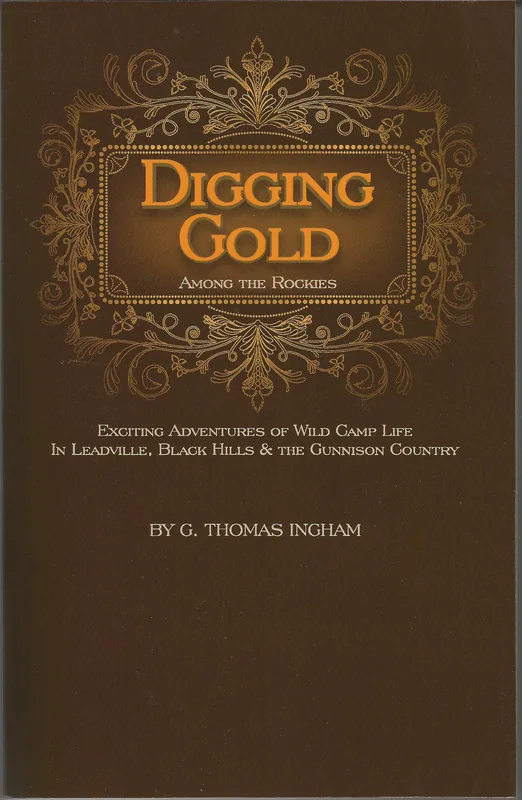
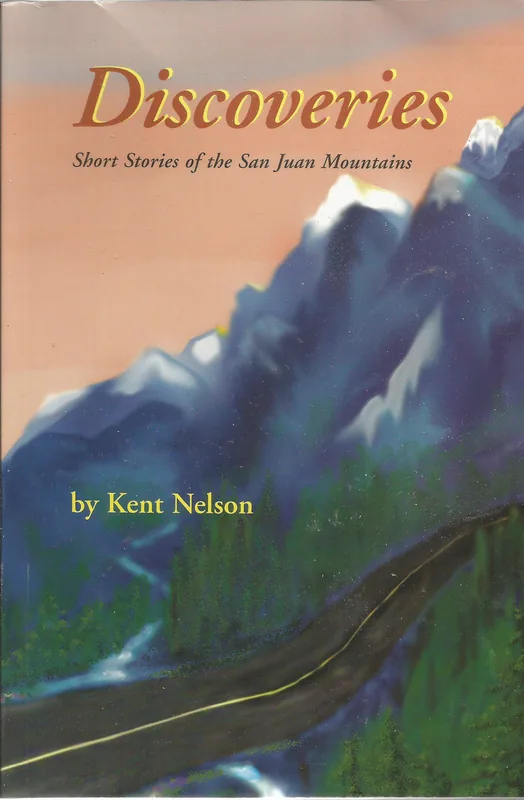
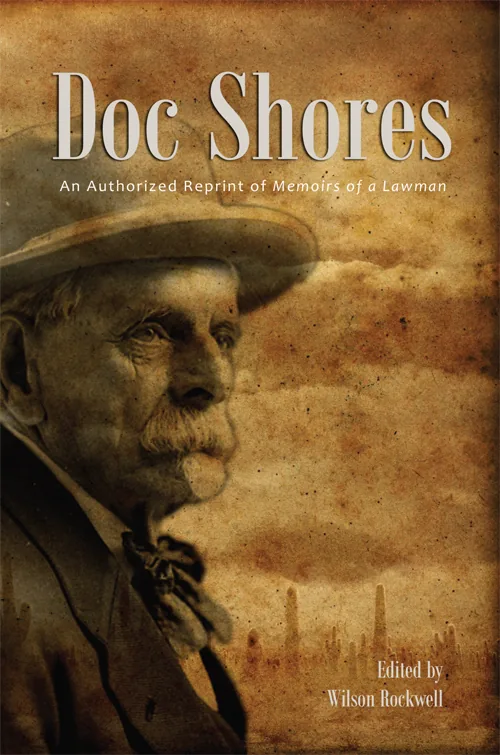
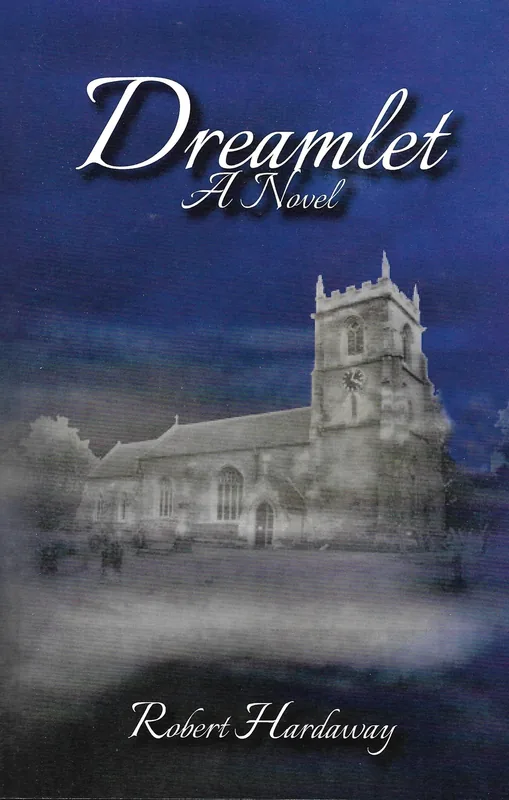
We're an independent publisher in Lake City, Colorado, publishing since 1996. The editorial board reads every submission, and the back catalogue of regional history, biography and memoir is there to look at. The site's own figure is 450+ books written. Our ghostwriting services page explains the general work, and this page covers the business-book specifics.
Because the house does the rest of the work, the manuscript doesn't go to strangers. A writer, an editor and a project manager stay with the book from first interview to final file.
After the draft, the same house can edit (developmental, line, copy edit and proofreading), design the cover and interior, publish in print, ebook and audio, distribute, and help with marketing. Each stage is bought separately and priced on the pricing page. A business book usually wants a cover and interior that match your brand and clean print and ebook editions. For an independent book, editing plus cover plus layout plus files typically runs $2,500 to $6,000. That's a separate purchase on top of the writing, and you can buy it from us or somewhere else. Details are at publishing the finished book, with cover design and audiobook production as optional steps after the manuscript.
A house that sells books also sees them the way a bookshop buyer, a librarian and a reader do, which shapes the cover and the title. And when your project is really an article, a whitepaper or a one-off report, we'll say so and point you there. That's an honest no.
A house that sells books also sees them the way a bookshop buyer, a librarian and a reader do, which shapes the cover and the title.
Questions we hear before a founder signs
"I'm busy. Will this take over my diary?"
It needs you at three points: the positioning brief, the interviews and the chapter reads. It's not a weekly drain. Strong existing material, such as recorded talks, shortens the interviews.
"Will it sound like me?"
The writer works from your recordings, talks and writing, and you correct each chapter as it arrives. A wrong note gets caught in chapter one.
"Will my competitors see this?"
No. The NDA covers what you send and what you say.
"What if my story changes halfway through?"
It happens. A client signs, a product launches, an acquisition closes. Tell the project manager and we'll fold it in at the next chapter, and we'll requote if it changes what you've asked for.
"What if the draft is wrong?"
Chapters come in stages and you pay in stages. A wrong direction shows after one chapter, not at the end of the book.
"Isn't my business too niche?"
Niche is usually good for a business book, because a narrow reader is easy to write for. We've covered a broad range of subjects. If your field is deeply technical, we'll tell you plainly whether we're the right house.
Start with a conversation. There's no obligation.
Questions we get asked
How much does it cost to have a ghostwriter write a business book?
Our business or authority book starts from $14,000 for 40,000 to 60,000 words, and a short book starts from $6,000 for 20,000 to 35,000 words. We read a sample or take a brief, then send one fixed fee. Length, research and interviewing, and your deadline move it. Everything is on our pricing page.
How many books do I have to sell to make $100,000?
We won't give a royalty figure we can't source. Do the sum on what the book earns the business instead: clients, talks and referrals over several years. Those are the usual payback, and no provider can promise any of them. Our guide to how book royalties work covers the mechanics.
Is having a ghostwriter illegal?
No. It's a long-standing, lawful practice. You supply the ideas, the experience and the approval, and the writer is paid for the writing. Credit can be your name alone, a "with" line or an acknowledgement. The copyright stays with you under the agreement. See rights on a ghostwritten book.
Do famous authors use ghostwriters?
Many do, though few say so, and it's not our place to name anyone. What matters for you is credit. Some books show a "with" line, some thank the writer in the acknowledgements, and some give no credit. You choose which one before drafting, and a different choice is no less honest.
How long does it take to write a business book with a ghostwriter?
It depends on the length of the book, how much source material already exists, how fast chapters are reviewed and your deadline. Those are also the things that set the price. For general ranges, read how long until your book is ready.
How much of my time will it take?
Your attention is needed at three points: the positioning brief, the interviews, and reading chapters as they arrive. We don't quote hours. If you have talks, articles or slide decks, the writer can draw on them, which cuts the interviewing.
Will the book sound like me?
The writer works from your recordings and writing, and you read each chapter as it's delivered, so corrections come early. Revisions are collaborative. We can't promise a perfect match on the first pass, but we build the process so you can steer it.
Do I get a ghostwriter's name on my book, and who gets the royalties?
Your name goes on the cover, and the writer's credit is your call. Royalties and copyright stay with you. We're paid for the writing, once, not through a share of sales. Read more in do ghostwriters get royalties.
Can you also edit, design and publish the finished book?
Yes. Editing, cover and interior design, print, ebook, audio and distribution are available as separate stages, priced on the pricing page. You buy only what the book needs. Having a business book written here doesn't oblige you to publish with us.
What's the best business book ghostwriter?
No honest ranking exists. Use a buyer's checklist: can you see a writing sample, is the writer named, who owns the copyright, and how is payment staged? Our questions to ask before hiring a ghostwriter goes through each one.
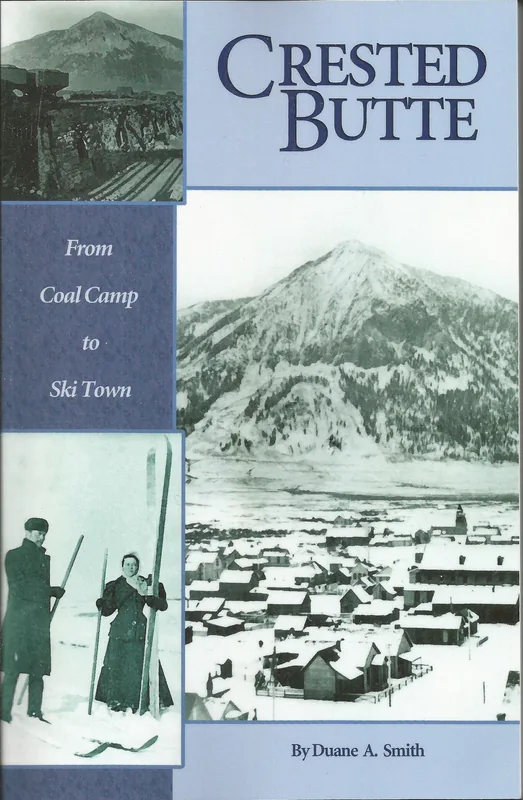

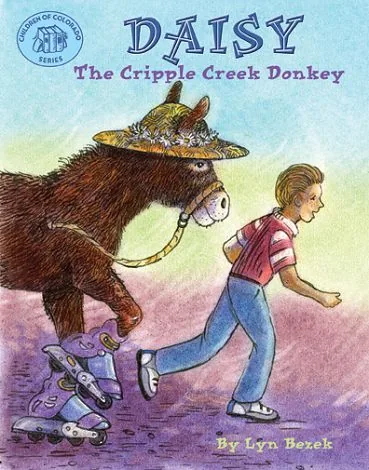
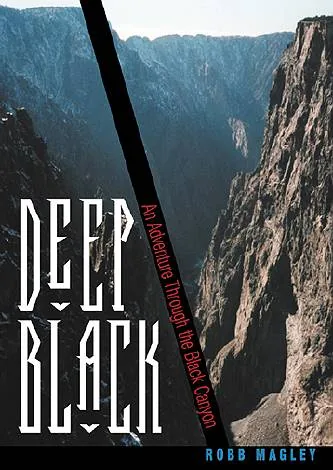
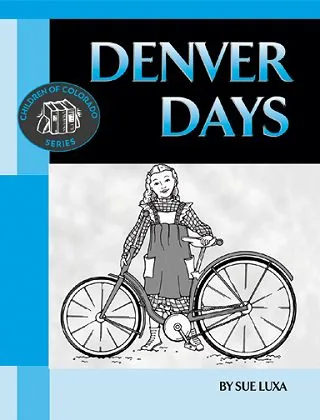
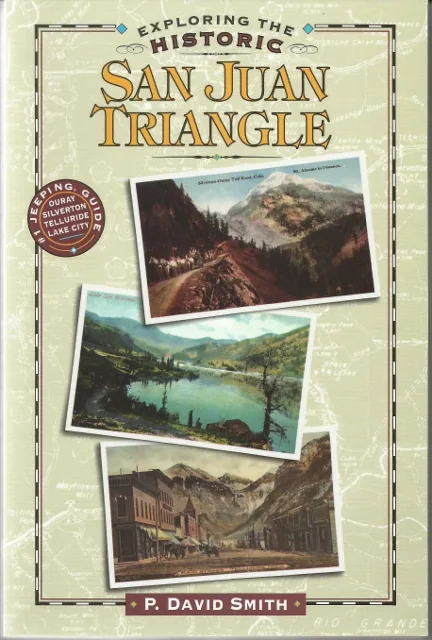
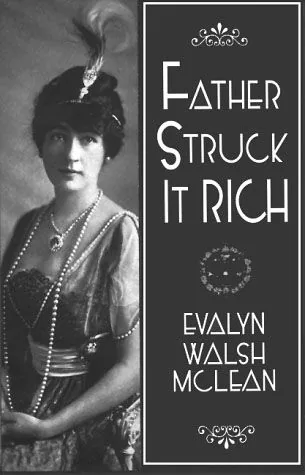
The testimonials of all our wonderful clients
Our clients love to share how it felt to work with us. Here is what some of the authors we have partnered with had to say about the experience.
★★★★★“Working with the Western Reflections Publishing team was a great experience. I came to them with a book idea but needed help structuring it into a finished manuscript. They took the time to learn my objectives right away, communication stayed consistent throughout, and the writers did a great job keeping my voice while improving the structure and flow. I was impressed by how well the finished manuscript reflected my vision.”
Olivia Adams
★★★★★“Western Reflections Publishing took my half-baked idea and turned it into something beautiful. Sarah, my editor, was incredibly patient with me. The cover design team nailed my vision, and the publishing process was smooth. Seeing my book on Amazon is surreal. I'm beyond grateful for their services.”
Amy Tosh
★★★★★“I'm beyond impressed with the editing team at Western Reflections Publishing. They didn't just fix my grammar; they truly understood my voice and helped refine the narrative flow of my book. The transformation from my initial draft to the final version is incredible. If you want your book to stand out, this is the place to go.”
Dakota Bailey
★★★★★“I've published multiple titles, but working with Western Reflections Publishing for my latest release was the smoothest experience yet. From editing to marketing to distribution, their team was professional and responsive. It's clear they truly care about their authors' success, and the best part was that they valued my input and let me take the lead.”
Betty Lentz
★★★★★“I honestly didn't expect the publishing process to feel this smooth, but Western Reflections Publishing made it surprisingly easy. Their editing and formatting teams were thorough and attentive, and they guided me step by step. I felt supported the whole way, which gave me the confidence to finally share my book with the world.”
Caleb Hudson
★★★★★“I was pleasantly surprised by how smooth the process was with Western Reflections Publishing. Their developmental editing brought new clarity to my manuscript, and the formatting team delivered a polished, professional final version. The team's support and clear communication made the entire publishing experience easy to navigate.”
Madison Palmer
Tell us who the book is for
If you'd rather talk first, call (336) 565-6915 or email info@westernreflectionspublishing.com, Monday to Friday, 9am to 5pm Mountain Time. Send us the idea, even if it's rough. A person reads it, and we'll tell you what the book needs.
Every service, in one place
- Ghostwriting Services
- SEO Writing
- Article Writing
- Web Copy Writing
- Press Release
- Script Writing
- Magazine Writing
- Legal Ghostwriting
- Medical Ghostwriters
- Podcast Scriptwriting
- Real Life Story Writing
- Scientific Ghostwriting
- Screenplay Script Writing
- Songwriting Services
- Speech Script Writing
- Technical Ghostwriting
- Twitter Ghostwriting
- Brand Storytelling
- Business Book Writing
- Children’s Book Writing
- Comic Book Writing
- Corporate Writing Services
- Rewriting
- Resume Writing
- Ghostwriting in Arizona
- Ghostwriting in Colorado
- Ghostwriting in Georgia
- Ghostwriting in Illinois
- Ghostwriting in Kansas
- Ghostwriting in Nebraska
- Ghostwriting in New Mexico
- Ghostwriting in New York
- Ghostwriting in North Carolina
- Ghostwriting in Ohio
- Ghostwriting in Oklahoma
- Ghostwriting in Pennsylvania
- Ghostwriting in Texas
- Ghostwriting in Utah
- Ghostwriting in Virginia
- Ghostwriting in Washington