
Ghostwriting Services for Authors, Written by a Working Publisher
Our ghostwriting services are for people who have a book in them and no spare year to write it. We're an independent publishing house in Lake City, Colorado, and we've been publishing since 1996. A ghostwriter solves the writing problem. The book, the byline, the copyright and the royalties stay yours.
Why authors trust the house
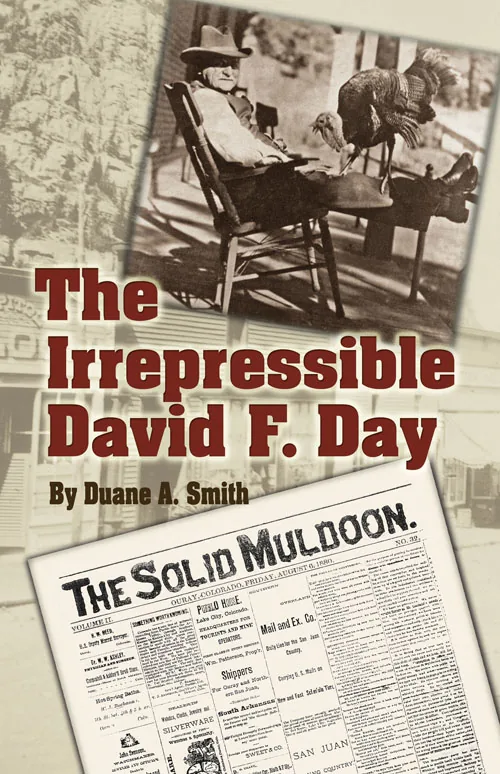
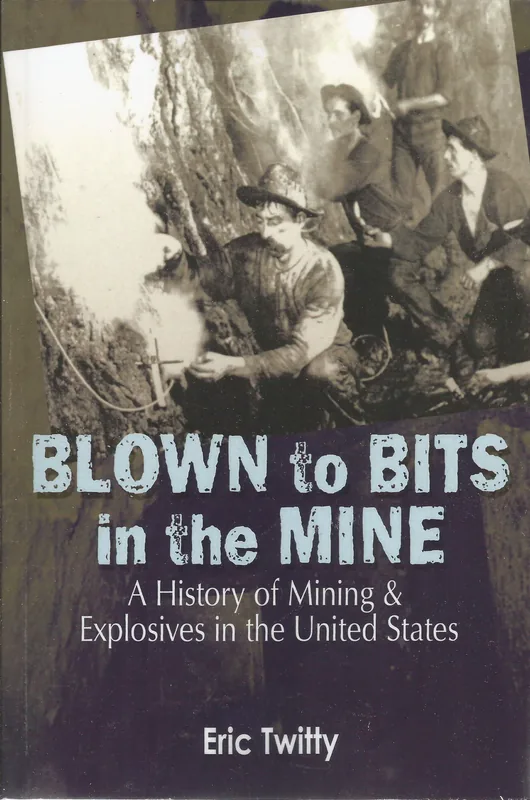
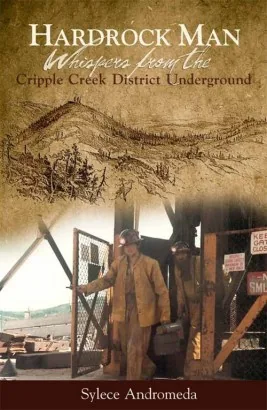
- An independent publisher in Lake City, Colorado, with a back catalogue of regional history, biography and memoir
- Prices published, not hidden behind a form
- A signed NDA before work starts, and a fixed fee agreed in writing
- Paid in stages against delivered chapters, never a full fee up front
- One team per book: a writer, an editor and a project manager from the first interview to the final file
What our ghostwriting services include
Here's what you're buying. A writer who interviews you, usually in recorded conversations. A chapter-by-chapter outline that you approve before a sentence of the book exists. Drafting in batches, so you read chapters while they're still easy to change. Revision with your notes in hand. Then a clean manuscript and the files that go with it.
An editor and a project manager work on the same book as the writer, which is how a book gets from a good draft to a finished one. On most books, the writing itself is the last third of the work. The first two thirds are getting the material out of your head and deciding what shape it should take.
If you want the book on a shelf at the end, the same house can edit, design, print and distribute it, which we cover under publishing the finished book. Nothing forces you to. The manuscript is yours to take anywhere.

What a book ghostwriter actually does
The word suggests someone typing quietly in the background. That undersells the job. Ghostwriting is mostly interviewing, structuring and deciding what to leave out, and only then writing. If you'd like the long version, we've set it out in what a ghostwriter does.
Gets the material out of your head
Recorded conversations, usually an hour at a time, are where a book is really made. A good interviewer hears the story you skip past because you've told it so often you no longer notice it. Those are often the passages readers remember.
Decides the shape
Chronology is rarely the best order. Before drafting, the writer works out what the book argues or promises, then builds the sequence that delivers it. Get that wrong and no amount of polish rescues chapter nine.
Writes in your voice
Not a house style with your name on it. The writer takes a voice sample from how you actually speak and write, and the first chapters are where you tell us how close we are. A short style sheet records your spellings, the nicknames, the terms you use and the things you'd never say, so the voice holds steady across sixty thousand words.
Cuts what doesn't earn its place
In our experience most first drafts run about a third too long. Knowing which third to remove is the part that takes years to learn, and it's usually what makes a book readable.
The books we write for other people
Different books need different instincts. Tell us which of these sounds like yours and we'll put you with a writer who has done it before. The full range is on the page for the genres we write.
- Memoir and life story. The most common request, and the hardest to do well. Interview-led, built around the few moments that changed a life. See memoir ghostwriting and autobiography writers.
- Business and thought leadership books. Written to be quoted, not just published. See business book ghostwriting.
- Family and legacy books. Written for a family rather than a market, often from recordings and photographs, and printed in short runs for people who'll keep them. See real-life story writing.
- Fiction and novels. Plot, structure and voice, in any genre. Often the rescue of a draft that stalled somewhere in the middle. See fiction writers.
- Nonfiction and how-to books. Expertise turned into a sequence a reader can follow, with the jargon translated. See nonfiction writers and self-help writing.
- Children's books. Age band, word count and read-aloud rhythm decide almost everything, and illustration is planned alongside the text. See children's book writing.
- Histories and local subjects. Our own list is built on Colorado and Western history, so archival research and source checking are ordinary work here, not an extra.
- Speeches, talks and essays. Shorter pieces, often for people who need to sound like themselves in front of an audience before they commit to a book. See speech writing.
- Scripts for video and ads. Written to be spoken and timed, from explainers to book trailers. See our script writing services.
Some subjects carry their own rules and vocabulary. We also take legal, medical, scientific and technical ghostwriting, where the facts have to be right before the prose has to be good.
We also take legal, medical, scientific and technical ghostwriting, where the facts have to be right before the prose has to be good.
Tell us about the project
Send a few details about ghostwriting services and a person on our team will reply with a fixed quote. You'll know the price before any work begins.
Prefer to talk? Call (336) 565-6915, Monday to Friday, 9am to 5pm Mountain Time.
How a ghostwritten book comes together, week to week
Most people's picture of the process is a gap: they hand over an idea and a finished book appears. The reality has stages, and you're in the room for most of them.
The four stages
Each stage is signed off before the next begins, so the book doesn't drift away from what you asked for.
We talk about the book, the reader and what success looks like. You'll get an honest view on whether this is a book, an article or a family keepsake, which are three different projects with three different budgets.
Recorded sessions, then a chapter-by-chapter outline you approve. Changing the plan here costs an afternoon. Changing it in chapter twelve costs weeks.
Chapters arrive in batches so you can react early. Your notes go into the next batch, and the voice tightens as the book goes on.
The manuscript is revised with your notes, structure first and sentences after. You receive a clean manuscript and the files that go with it.
What a normal week looks like
During the interview weeks, expect a call of about an hour, every week or two. Between calls the writer works from the recordings and transcripts, builds your voice sample, and keeps the style sheet up to date. Those three things are yours to look at whenever you like, and they're the best early warning that the voice is or isn't landing.
Once drafting starts, the rhythm changes. A batch of chapters arrives, you read it, and your notes come back to us within a week or so. Then the next batch begins with those notes already in it.
How long it takes
There's no honest single number. A short book built from one clear argument moves faster than a memoir that needs archives, old letters and three relatives checked. What stretches a schedule is predictable: heavy research, a thin interview calendar, and slow feedback on batches. When we quote, we give you the schedule for your book, and you can compare it against the length you've asked for. Our guide to ghostwriting timelines goes into the reasons in more detail.
The checkpoint after the first batch
The first batch of chapters exists partly as a test. This is the moment to say "this isn't me" and have the brief fixed or the writer changed, without paying twice for the same chapters. Tell us early. It's far cheaper than telling us in chapter twelve.
What we need from you
Ghostwriting works when the author shows up. Here's what that means in practice, so you can judge whether now is the right time.
- Interview time. Plan on an hour at a time, every week or two, over roughly the first eight to ten weeks. Interviews can't be crammed into one weekend, because the useful material tends to surface in the third conversation rather than the first.
- Whatever already exists. Notebooks, half-written chapters, transcripts, letters, photographs, recordings of talks, even a long email you wrote to a friend explaining the idea. People apologize for the state of this material, and they shouldn't. It's the fastest route to your voice.
- A decision on the outline. You'll be asked to approve a chapter plan before drafting. That approval is what keeps the project from drifting. If you're unsure, say so then.
- Feedback on each batch within a week or so.
- An honest account of what the book must not say. A name, a lawsuit, a family matter. Better to hear it on day one than at proof stage.
Authors who stay involved get books that sound like them. If you want to prepare, our guide on how to outline a book is a useful afternoon's work before the first call.
If you want to prepare, our guide on how to outline a book is a useful afternoon's work before the first call.
What ghostwriting costs, and what moves the price
This is the section most ghostwriting companies leave out. We publish ours.
Ghostwriting is quoted between $0.20 and $0.32 a word, or as a flat project fee, which most authors prefer. Where a book lands in that band depends on research, how many interviews it takes, and the deadline. These are starting prices, not flat rates:
| Type of book | Starting price | Typical length |
|---|---|---|
| Short book or long-form | from $6,000 | 20,000 to 35,000 words |
| Memoir or family history | from $12,000 | 50,000 to 70,000 words |
| Business or authority book | from $14,000 | 40,000 to 60,000 words |
| Novel or narrative nonfiction | from $18,000 | 70,000 to 90,000 words |
| Rewrite of an existing draft | $0.12 a word | Your manuscript's length |
We read a sample or take a brief, then send one number in writing. It doesn't move unless you change what you're asking for, and then we requote rather than add to the invoice. There's no hourly billing. The full list sits on our full published price list.
Across the industry, rates run from about ten cents to a dollar a word, and an established firm commonly asks $20,000 and up for a full-length nonfiction book. The gap between a few thousand dollars and several tens of thousands is mostly explained by three things: how experienced the writer is, how many interview and revision rounds are in the price, and whether anyone edits the result. For a neutral benchmark that no agency controls, the Editorial Freelancers Association rate chart collects what American writers and editors report charging.
- Length. A book is priced by the word, not by the idea.
- Existing material. Notes and half chapters save time. A blank page costs more.
- Interview time. This is where memoir and business books get expensive.
- Research. Heaviest for history, legal and medical subjects. A memoir built on conversations usually costs less than a business book whose claims have to be checked against sources.
- Revision rounds. How many are included before extras are billed.
- The deadline. A rushed schedule costs more than a relaxed one.
- Publication. Whether you want the writing only, or publication handled once it's done.
Ghostwriting is paid in stages against delivered chapters. We don't ask for a full project fee up front, so you're never paying for pages you haven't read. Whoever you hire, ask what happens if the draft is wrong. A quote with no revision rounds written into it isn't really a quote.
If you want to go deeper before you ask for a number, we've written up what a ghostwriter costs, in full and the question of per word or per project.
Who owns the book, who gets the credit, and who hears about it
Agencies tend to skip this part of the conversation. A working publisher can't, because rights are most of what a publisher deals in.
You're the author of record and the copyright holder, and that's stated in the agreement before work starts. We're paid for the writing, and what the book earns afterwards is yours. Sound simple? It should be, but the legal term "work made for hire" trips people up. The Copyright Office explains in its guidance on works made for hire that a work is made for hire in two situations: when an employee creates it as part of regular duties, or when certain listed kinds of work are specially commissioned under a signed written agreement. In those cases the commissioning party is treated as the author. Whether any given commission meets that test is a legal question, so read the circular, and have a lawyer look at your own contract if the point matters to you.
Your name goes on the cover. Beyond that, the choice is yours, and it's decided before drafting rather than after. The usual options are no credit at all, a line in the acknowledgements, a "with" credit on the cover, or "as told to". A publisher has seen all four work, and none of them is wrong.
A non-disclosure agreement is signed before you send us anything. We don't name clients, and we don't use anyone's manuscript as a sample, without written permission.
The checkpoint after the first batch is the practical answer. The legal answer is in the contract, and our posts on rights on a ghostwritten book and what a ghostwriting contract should say tell you what to look for in ours or anyone else's.
Is it legal, and is it fair?
Legal, yes. You commission the work, you pay for it, and the agreement says who owns the result. Ghostwriting is ordinary in publishing, journalism, speechwriting and music, and has been for as long as those trades have existed. The paperwork, again, is where a lawyer earns their fee if your situation is unusual.
Fair is the question most people actually mean, and the test is substance. If the experience, the argument and the judgment are yours, the book is yours, and a writer helping you express it is no different from an architect drawing the house you described. The condition is truthfulness where truth is promised. A memoir should be what happened. Academic and medical work has its own disclosure rules, and we won't help anyone get around them. We turn down work that invents credentials or misrepresents expertise.
One more thing, since people ask. An AI chat tool isn't a ghostwriter. It doesn't interview you, it doesn't know your life, and nobody answers for what it says. The Copyright Office has also concluded that prompts alone don't make the person typing them the author of what comes out, because human authorship is the foundation of copyright. A person who shapes your own material into a book is a different job.
Ghostwriter, co-author or editor: which one do you need?
Agencies blur these three because they sell all of them. They're different jobs with different contracts.
Writes the book. You're the author. No credit is required, though you can give one. See the section above.
Shares the cover and usually a share of the royalties and the decisions. That's a different contract and a different relationship, and it suits cases where the second person brings expertise or an audience of their own. Our post on ghostwriter vs co-author lays out the trade-offs.
Improves a manuscript you wrote, at four levels: developmental, line, copy and proofreading. If you have a draft that mostly works, you don't need a ghostwriter. You need book editing services, and quite possibly developmental editing first. A manuscript assessment, at $0.020 a word on our price list, is the cheap way to find out which one. More in editor vs ghostwriter.
| Who writes it | Whose name is on the cover | How it's paid | |
|---|---|---|---|
| Ghostwriter | The ghostwriter | Yours | A per-word or flat fee, in stages |
| Co-author | You and the co-author | Both of you | Fee or a share of royalties, by agreement |
| Editor | You | Yours | Per word, by level of edit |
If the best next step for your book is an editor, or an earlier stage than the one you asked for, we'll say so. We read a sample before quoting for exactly that reason.
Memoir or business book: two different jobs
Most ghostwriting enquiries are one of these two, and they aren't variations of the same job. They need different interviews, different structures and a different kind of honesty.
A memoir is built from memory, which is unreliable in interesting ways. People remember the dramatic moments and forget the ordinary years that explain them, so the interviews go looking for the ordinary years. The question is never what happened next. It's which handful of events carried the weight. The people in it need thought too, because a memoir is the one form where the writing decisions have consequences for someone else's life.
A business book is built from argument. The material usually exists already, in talks you've given, posts you've written and decks you've shown, and the work is turning repetition into a sequence a stranger can follow. The test is whether a reader can act on it by Friday. Most first drafts fail that test because they explain the author rather than help the reader, and fixing it means cutting the founding story down to the part that proves the point.
Both need time in the room and a clear view of who the book is for before a word is drafted. Permission questions get settled early, not at proof stage. The how-to for each has its own page: memoir ghostwriting and business book ghostwriting.

What changes when a publisher does the writing
Most ghostwriting companies are writing agencies. We're a publishing house that also ghostwrites, and the difference shows up in what we tell you.
An agency is paid to write the book you asked for. A publisher has spent decades deciding which books are worth printing, so you get a second opinion you didn't have to ask for. Does the idea carry a whole book? Where's its market? What does the manuscript need before anyone would acquire it?
It also means the book has somewhere to go. There are two routes at the house. If our editorial board acquires a book, we pay for editing, design, printing and distribution, and the author pays nothing. Authors publishing independently buy services at published rates. You can take the finished manuscript anywhere, and many authors do. If it suits our list, we'll say so, and you can submit a manuscript with no reading fee and a written reply either way. For books that belong at another house, our directory of US publishers will point you there.
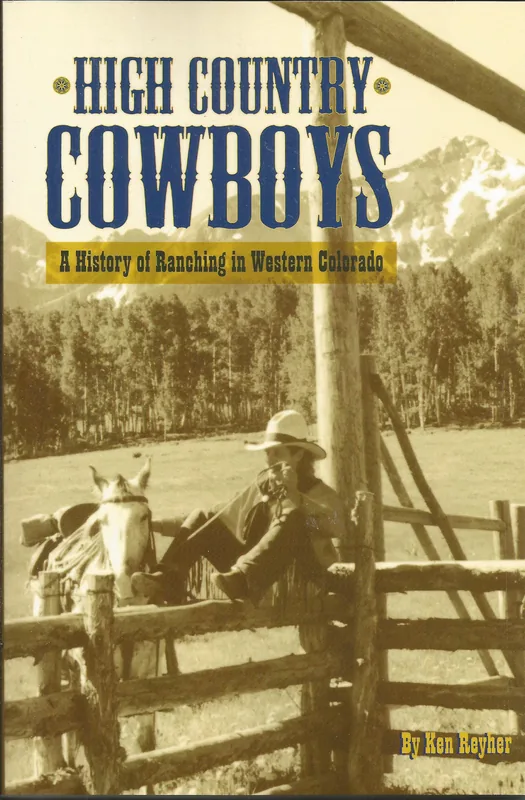
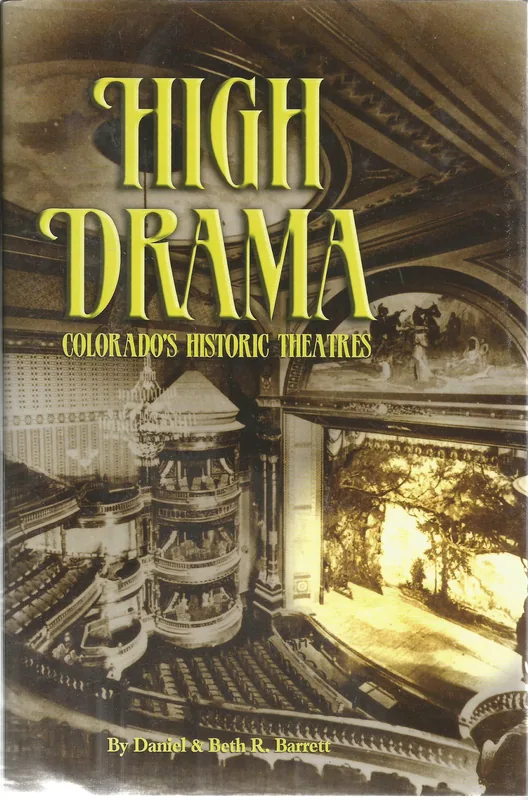
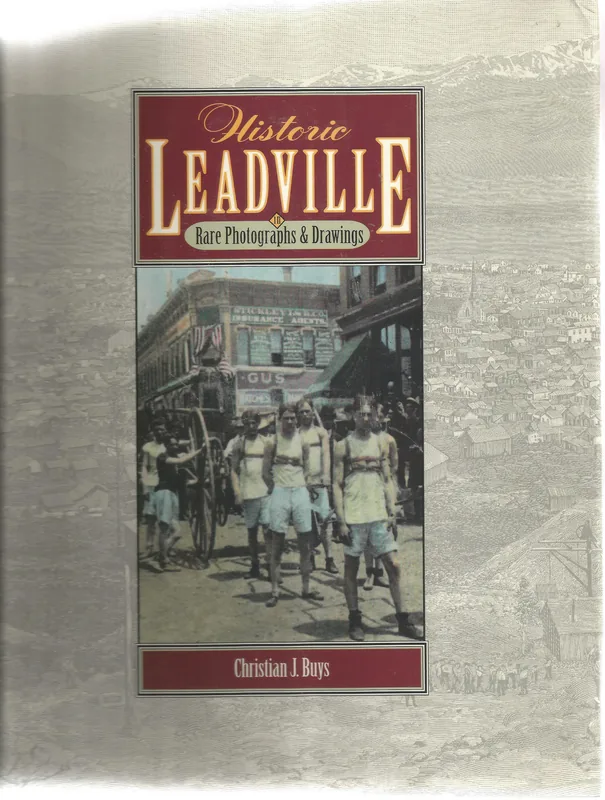
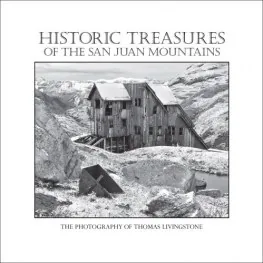
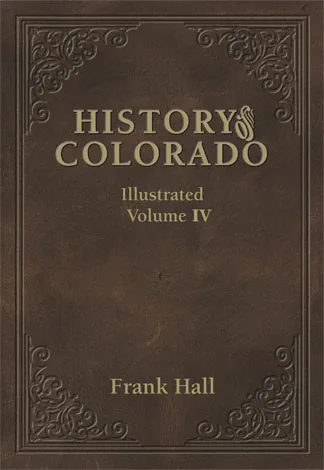
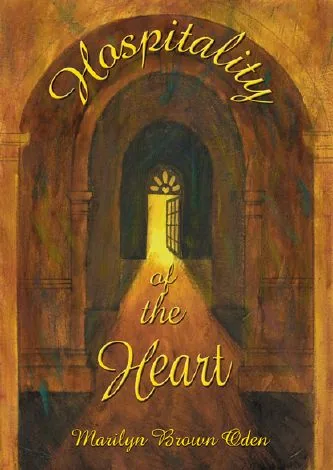
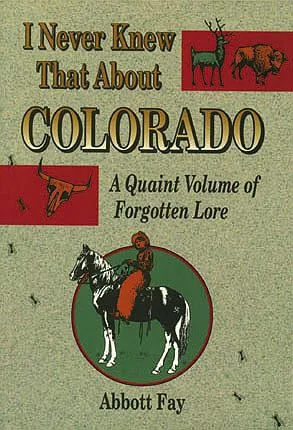
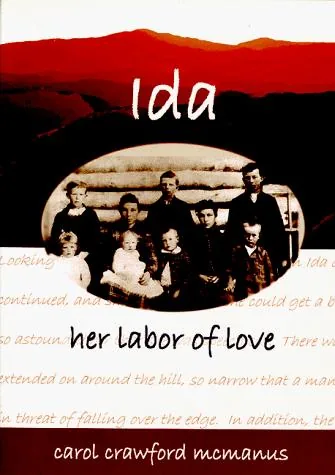
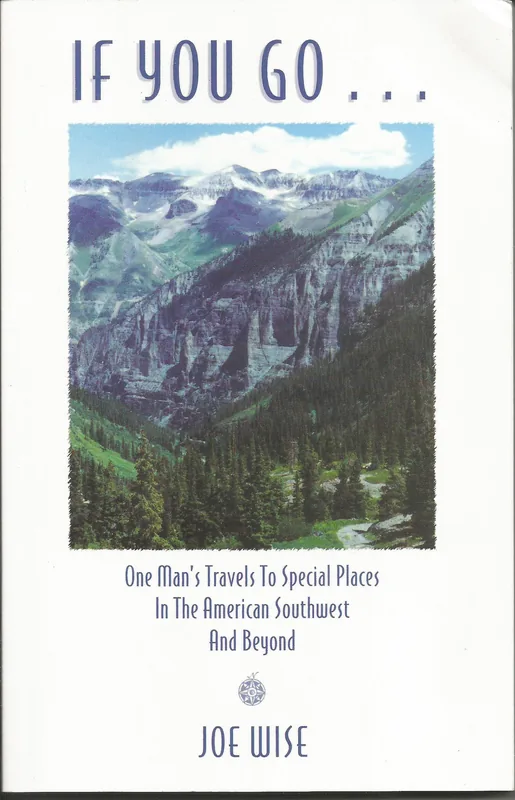
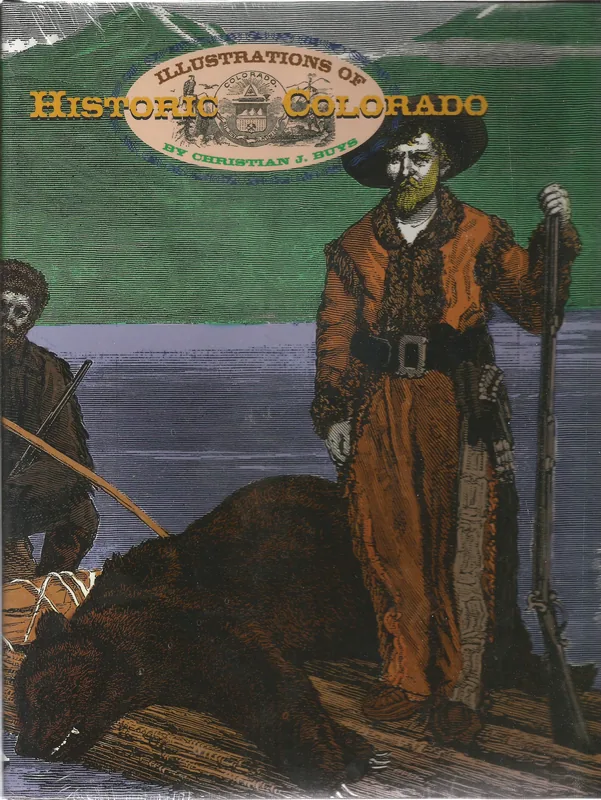
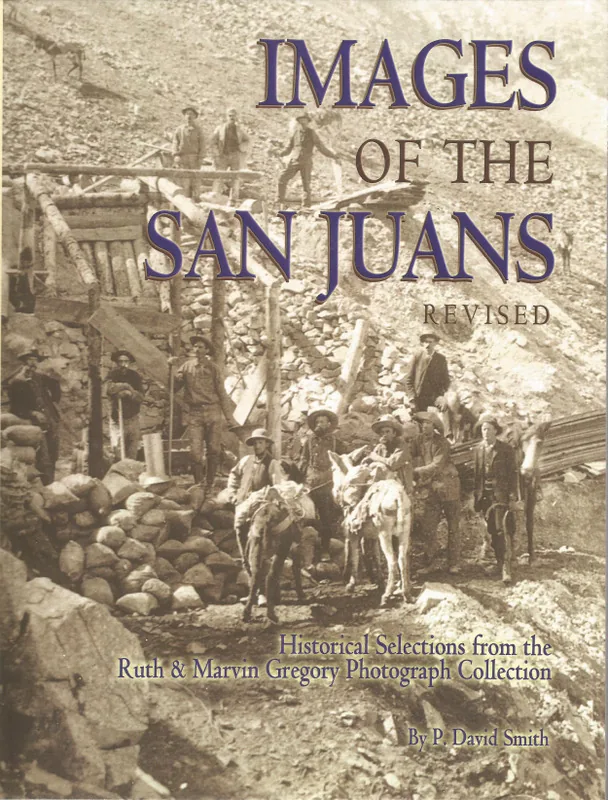
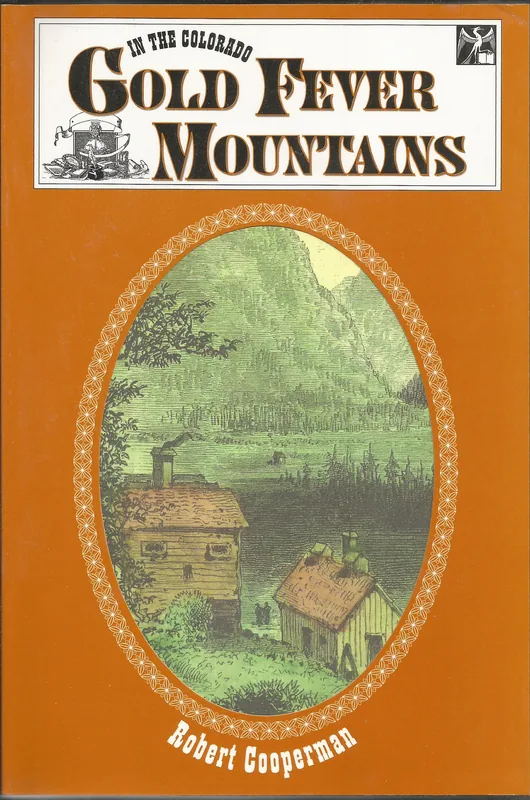
You can look at what we've made before you trust us. Our portfolio and back catalogue of regional history, biography, memoir and Colorado and Western writing are there to check.
And we say no. Work we can't do well gets turned down, with an explanation of what the book needs instead.
Work we can't do well gets turned down, with an explanation of what the book needs instead.
How to vet a ghostwriter, and the red flags
If you're thinking of a ghostwriter for hire, you should be a little suspicious of everyone, including us. Here's how to check.
- Can I read writing you produced, and is it in a voice that isn't your own?
- Who exactly will write my book, and can I talk to that person before I sign?
- How many interview hours and revision rounds are in the quote?
- Who owns the work, and where does it say so in writing?
- How is payment staged, and against what?
- What happens if the first batch is wrong?
- Who edits the result?
Our posts on questions to ask before you hire a ghostwriter and how to hire a ghostwriter go through each of these, and what a good answer sounds like.
- A full fee asked up front.
- A "package" that makes you pay for stages your book doesn't need.
- Bestseller claims that can't be checked.
- No sample of any kind.
- The person you meet is a salesperson, and the writer stays anonymous.
- A contract that assigns your copyright to the provider, or takes a share of royalties nobody discussed.
- Guarantees of sales, reviews or rankings.
- Pressure to publish through their own imprint for an extra fee.
Look any company up on Writer Beware, a watchdog for writing and publishing scams, and ask for references you can actually call.
The pattern is a writing service that's really a publishing sale, with the book "accepted" as bait. We run the opposite way round: prices are fixed and published on our pricing page, and a submission gets a written reply with no reading fee. Our post on how to spot a vanity press explains the tells in full.
Who ghostwriting is for, and who it isn't
It suits busy professionals with a method worth setting down, founders with a story, people with a life story and no time to write it, and authors whose draft stalled around chapter eight. It's built for people who can give the interview time.
It isn't for someone who wants a book of ideas they don't hold, or someone who can't spare the hours the interviews take. And if what you have is a manuscript that only needs a clean-up, you want a proofreading service, not a ghostwriter.
It isn't for someone who wants a book of ideas they don't hold, or someone who can't spare the hours the interviews take.
The usual hesitations
Will it sound like me? The voice sample comes first, and the first batch is the checkpoint where you can say it doesn't.
Can I afford it? The starting prices are above, a flat fee is available, and payment comes in stages against chapters you've read.
Will anyone find out? Only if you tell them. The confidentiality paragraph above covers how we treat it.
The starting prices are above, a flat fee is available, and payment comes in stages against chapters you've read.
Questions we get asked
How much should a ghostwriter cost?
Across the industry, rates run from about ten cents to a dollar a word, and established firms often ask $20,000 and up for a full-length nonfiction book. Ours is $0.20 to $0.32 a word or a flat fee, with books starting from $6,000. Length, interview time, research and deadline set the quote. See the pricing page.
Is having a ghostwriter illegal?
No. It's a commissioned-work arrangement common in publishing, journalism and speechwriting. You commission it, pay for it and the contract says who owns the result. The line is honesty about substance: a memoir must be what happened, and academic or medical work has its own disclosure rules. We decline work that invents credentials.
How do I find a ghostwriter for my book?
Start with what you have, whether that's notes, talks or a stalled draft, and what kind of book it is. Ask for writing samples, find out who the actual writer will be, and compare how many interview and revision rounds each quote includes. Check any company on Writer Beware. Our guide on how to hire a ghostwriter goes further.
Can I use ChatGPT as a ghostwriter, and is it legal to write a book with it?
Using it isn't illegal, but it can't interview you, doesn't know your life, and no one is accountable for its facts. The Copyright Office has said prompts alone don't make you the author of the output, because copyright rests on human authorship. A person shaping your own material is a different job.
Does ghostwriting actually pay?
Ghostwriters are paid per word or a flat project fee, usually in stages. The fee is high because most of the work is interviewing, structuring and revising, not typing. If you're asking as a writer, rather than a buyer, our post on launching a ghostwriting career is the better place to start.
Who owns a ghostwritten book?
With us, you do. You're the author of record and copyright holder, it's written into the agreement before work starts, and the royalties are yours. The Copyright Office's circular on works made for hire explains the legal term. Read rights on a ghostwritten book for the practical side.
What's the difference between a ghostwriter, a co-author and an editor?
A ghostwriter writes the book and you're the author. A co-author shares the cover and normally royalties. An editor works on a draft you wrote. If your draft mostly works, a manuscript assessment is a cheaper first step. See ghostwriter vs co-author and editor vs ghostwriter.
How long does a ghostwritten book take?
It depends on length and on you. Interviews and the outline come first, drafting runs through the middle and revision closes it out. Heavy research, a thin interview calendar and slow feedback all stretch the schedule. We give you a schedule for your book when we quote. See ghostwriting timelines.
Will anyone know I used a ghostwriter, and do I have to credit you?
Not from us. We sign a non-disclosure agreement before you send anything, and we don't name clients or show manuscripts as samples without written permission. Credit is your choice: none, an acknowledgement, a "with" line or "as told to", decided before drafting.
What are the red flags with ghostwriting companies?
A full fee up front, a package that bundles stages you don't need, bestseller claims you can't verify, no writer you can speak to, and contracts that assign your copyright or take unexplained royalties. Ours is staged against delivered chapters. More in how to spot a vanity press.
The testimonials of all our wonderful clients
Our clients love to share how it felt to work with us. Here is what some of the authors we have partnered with had to say about the experience.
★★★★★“Working with the Western Reflections Publishing team was a great experience. I came to them with a book idea but needed help structuring it into a finished manuscript. They took the time to learn my objectives right away, communication stayed consistent throughout, and the writers did a great job keeping my voice while improving the structure and flow. I was impressed by how well the finished manuscript reflected my vision.”
Olivia Adams
★★★★★“Western Reflections Publishing took my half-baked idea and turned it into something beautiful. Sarah, my editor, was incredibly patient with me. The cover design team nailed my vision, and the publishing process was smooth. Seeing my book on Amazon is surreal. I'm beyond grateful for their services.”
Amy Tosh
★★★★★“I'm beyond impressed with the editing team at Western Reflections Publishing. They didn't just fix my grammar; they truly understood my voice and helped refine the narrative flow of my book. The transformation from my initial draft to the final version is incredible. If you want your book to stand out, this is the place to go.”
Dakota Bailey
★★★★★“I've published multiple titles, but working with Western Reflections Publishing for my latest release was the smoothest experience yet. From editing to marketing to distribution, their team was professional and responsive. It's clear they truly care about their authors' success, and the best part was that they valued my input and let me take the lead.”
Betty Lentz
★★★★★“I honestly didn't expect the publishing process to feel this smooth, but Western Reflections Publishing made it surprisingly easy. Their editing and formatting teams were thorough and attentive, and they guided me step by step. I felt supported the whole way, which gave me the confidence to finally share my book with the world.”
Caleb Hudson
★★★★★“I was pleasantly surprised by how smooth the process was with Western Reflections Publishing. Their developmental editing brought new clarity to my manuscript, and the formatting team delivered a polished, professional final version. The team's support and clear communication made the entire publishing experience easy to navigate.”
Madison Palmer
Tell us the book you keep meaning to write
A paragraph is enough to start: what the book is, who it's for, and where it stalled. Call us on (336) 565-6915 or write to info@westernreflectionspublishing.com, Monday to Friday, 9am to 5pm Mountain Time. You can also browse ghostwriting services in Colorado or the other states we cover below.
Every service, in one place
- Ghostwriting Services
- SEO Writing
- Article Writing
- Web Copy Writing
- Press Release
- Script Writing
- Magazine Writing
- Legal Ghostwriting
- Medical Ghostwriters
- Podcast Scriptwriting
- Real Life Story Writing
- Scientific Ghostwriting
- Screenplay Script Writing
- Songwriting Services
- Speech Script Writing
- Technical Ghostwriting
- Twitter Ghostwriting
- Brand Storytelling
- Business Book Writing
- Children’s Book Writing
- Comic Book Writing
- Corporate Writing Services
- Rewriting
- Resume Writing
- Ghostwriting in Arizona
- Ghostwriting in Colorado
- Ghostwriting in Georgia
- Ghostwriting in Illinois
- Ghostwriting in Kansas
- Ghostwriting in Nebraska
- Ghostwriting in New Mexico
- Ghostwriting in New York
- Ghostwriting in North Carolina
- Ghostwriting in Ohio
- Ghostwriting in Oklahoma
- Ghostwriting in Pennsylvania
- Ghostwriting in Texas
- Ghostwriting in Utah
- Ghostwriting in Virginia
- Ghostwriting in Washington