Press Release Writing Services for Authors, Experts and Businesses
Got a book coming out, or news from your business that people nearby ought to hear? Our press release writing services turn it into a release an editor can follow from the headline and the first sentence. Then we send it to a named regional and trade list rather than a scattergun blast to anyone with an inbox.
We're a book publisher in Lake City, Colorado, so a lot of what we write is book news: launches, signings, awards and new editions. We write for businesses, experts and nonprofits too, whenever there's something genuinely new to say.
$650 a release, written and sent. Nothing is chargeable until you say yes in writing.
Publishing since 1996 · NDA signed before we start · Your rights stay yours · Fixed fee quoted up front · Free quote within one working day
Why most press releases never get read
An editor gives a press release about as long as it takes to read the headline and the first sentence. If those two lines don't say what happened and why it matters to that editor's readers, the editor moves on to the next one in the pile.
Most releases fail right there. The news is buried in the third paragraph, the headline reads like an ad, or the release went to people who never cover the subject. Every one of those problems can be fixed before anything is sent.
Picture the books editor at a regional paper on a Monday morning. Overnight, a few dozen releases have come in from publishers, publicists, venues and businesses with something to mention. Features desks and trade reviewers face the same pile, and nobody there has time to open everything.
So they scan subject lines and first sentences, and they ask four questions. What happened? Why now? Why would our readers care? Who do I call to follow this up? A release that answers those four quickly gets read to the end. One that makes the editor dig for the answers usually doesn't get a second look.
The same mistakes turn up whether the release is about a memoir, a bakery or a software update:
- A headline written as a slogan ("A Must-Read Tale of Hope") instead of a plain statement of news.
- Adjectives doing the work that facts should do. Editors discount "groundbreaking" on sight.
- No date, no place and no reason the story is happening now.
- A quote from "a spokesperson" saying the company is thrilled, and nothing else.
- No contact name or phone number, and no way to ask for a review copy or an interview.
- A send list that has nothing to do with books, the region or the trade.
A well written release puts accurate news in front of the people who choose stories, and it hands them what they need to act on it: the facts, a quote, a contact and, for a book, a way to get a copy. Once you post it on your own website, it's also a dated record of your news you can point to later.
What it can't do is make anyone run a story. That choice belongs to the editor, and we'll say so in our first conversation.
What our press release writing services include
One release, one fee. Your release is written by our team and, once it's ready, sent to our list. Here's what goes into it, and why each part is there.
Every release starts with a conversation by phone, email or video, whichever suits you. We're listening for the news: what's new, why it matters now and who it matters to. For an author, that means the book's subject, where the story is set, how it came to be written and whether a local paper would see a connection. For a business, it means what has changed and who it helps. By the end, we've agreed what kind of release this is, whether that's a launch, an event, an award or an announcement.
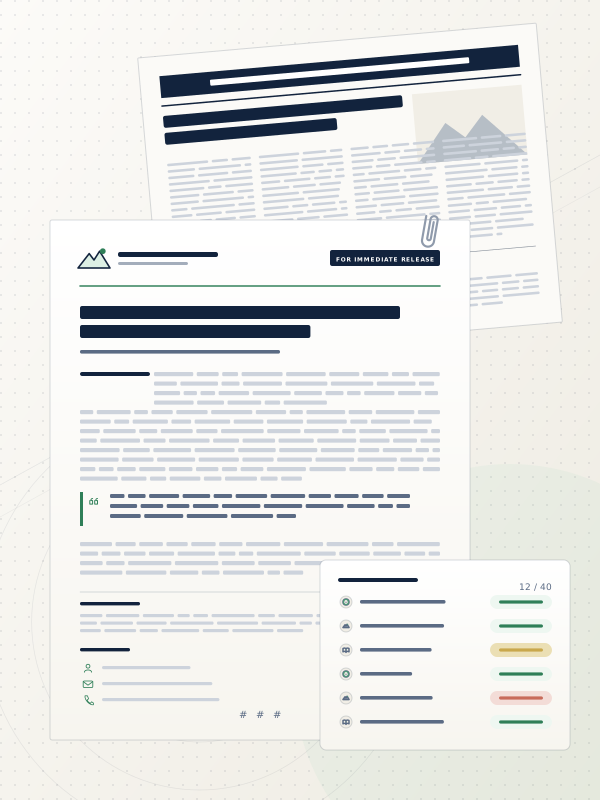
The headline states the news in plain words a busy editor understands at a glance. The subhead adds the second most important fact, often the date, the place or the reason it matters. Above both sits the release line. That's either "For immediate release" or an embargo, a note naming the exact date and time the news may run. The dateline opens the first paragraph with the city, state and date, so the reader knows where the news comes from before reading another word.
The opening paragraph answers who, what, when, where and why, usually in two sentences. Everything after it runs in descending order of importance, which journalists call the inverted pyramid. The reason is practical. An editor short of space cuts from the bottom, and a release built this way still makes sense with its last three paragraphs gone. Dates, prices and place names come straight from the notes you send, so check those notes before they reach us. A single wrong date is enough to make an editor distrust the rest.
"We are thrilled to announce" gives a reporter nothing to print. We draw one or two quotes from the interview, in your own words, and each one should say something worth repeating, such as why you wrote the book or what the new service changes for a customer. You approve every quote attributed to you, word for word.
For a book, the release carries a details block an editor or bookseller can copy: title, author, publisher, format, ISBN, page count, price, publication date, where to buy it and how to request a review copy. For a business, it ends with a short "about" paragraph that editors call boilerplate. Every release closes with one named contact, a phone number and an email that someone actually answers.
When the release is final, we send it to our list, and the send is part of the fee. You also get the final release as a file to send to your own contacts.
That file is worth using. If you already know someone at a paper, a station or a trade magazine, send it to them yourself, with a line of your own on top. A familiar name in the sender field gets opened. Put the news itself in the subject line rather than the words "press release", and paste the text into the body of the email as well as attaching it, since plenty of newsrooms won't open an attachment from a stranger.
Press releases for authors and books
Magazines and trade reviewers plan months ahead, so they need to hear about a book well before it's out. Reviewers want a details block they can trust, and nobody will review a book they can't get a copy of.
The local angle is often a first-time author's best route into print: the hometown paper, the library newsletter or the public radio station in the county where the book is set. We write book releases with those readers in mind.
A book is news when something about it connects with the readers of the outlet receiving the release. That might be the subject, the place where the story happens, the author's own life, or timing that lines up with an anniversary or a season. The release leads with that connection.
It then carries the book details block, a short author bio and a note that photos are available. Tell us your publication date as early as you can. Monthly magazines plan well ahead while local papers want news close to the date, and the right send date depends on which of them matters more to you.
For the full walkthrough, read our guide on how to write a book press release. If the release is one piece of a bigger plan, it helps to plan your book launch first.
An event release has a different job. It has to drop straight into a listings page, so it carries the date, start time, venue, street address, the cost or the word free, accessibility details and who to contact. We write it so a calendar editor can paste it in without rewriting a word.
Calendar editors work weeks ahead, so plan the send around that. A release that lands two days before a signing usually lands too late. If the venue is promoting the event as well, ask them for the exact event name and start time they're using, so every listing matches.
A finalist spot, a hardcover edition or the audiobook coming out each gives a regional editor a fresh reason to mention you.
If you're announcing an award, check the organizer's rules first. Some ask winners to wait for the official announcement, and a release that runs early can embarrass everyone involved. A sales figure has to be true and provable too, because an editor who checks it and finds it inflated won't trust your next release.
Regional papers and broadcasters cover their own. Think of an author who grew up in the valley, a novel set in an old mining town or a history of the county's railroad. A regional desk will often give those stories space it wouldn't give a bigger national book.
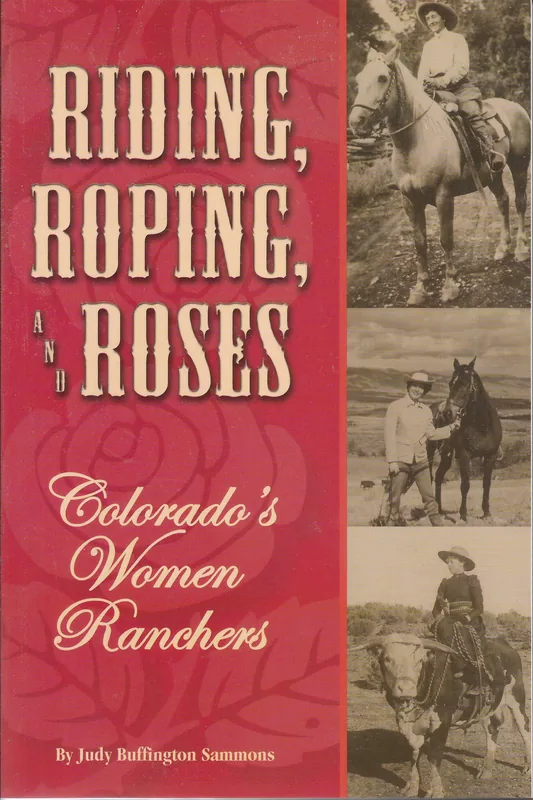
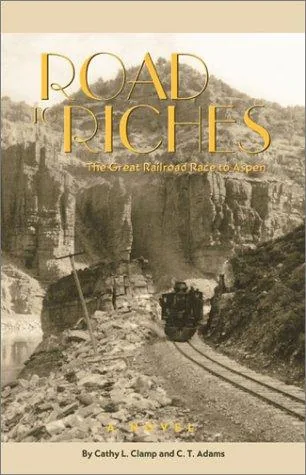
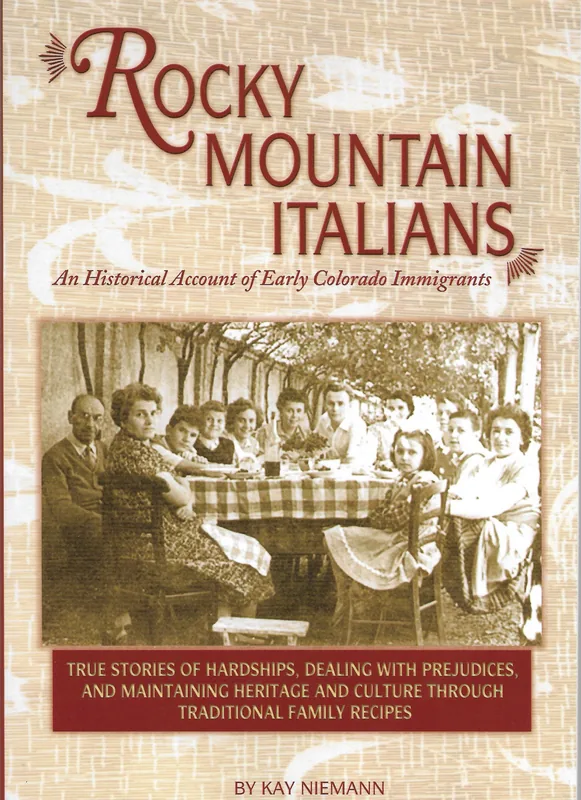
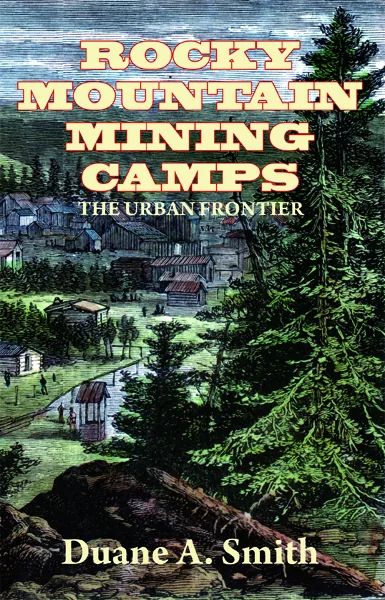
Our own back catalogue is regional history, biography, memoir and writing about Colorado and the West, so books rooted in a place are something we know from our own list. We look for every place your book or your life connects to, and make sure the strongest one is in the first sentence. If reviews are part of your plan, our guide on how to get book reviews pairs well with a release.
Tell us about the project
Send a few details about press release writing services and a person on our team will reply with a fixed quote. You'll know the price before any work begins.
Prefer to talk? Call (336) 565-6915, Monday to Friday, 9am to 5pm Mountain Time.
Press releases for businesses, experts and organizations
Take two made-up examples: a Gunnison outfitter adding winter trips, and a café in Lake City reopening for the season. Neither is national news. Both are the kind of thing a valley paper and a regional travel page will consider, as long as the release says what's new, from when and for whom. We write releases for companies, consultants, speakers, small presses and nonprofits that have news like this and need it in the form editors accept.
The rules don't change because the subject is a product instead of a novel: news first, no sales language, one named contact. If anything, business releases need more restraint, because editors expect them to read like ads and notice when they don't.
Product and service launches
A product release says what's new, who it helps and when it's available, with the price if it's public. It explains the problem the product solves in the customer's own terms and quotes someone who can say why it was built. If you have a real number, such as how many customers asked for the feature, use it. A trade editor will judge the product by what it does, so the release spells that out plainly and tells them how to ask for a demonstration or a sample.
Expert commentary and thought leadership
Some releases don't sell anything. They offer your view on a new report or a change in your industry, so a reporter knows who to call the next time your field is in the news. Speed matters here, because comment is useful only while the news is fresh. It works best as part of a wider story about who you are, which is where brand storytelling comes in.
Openings, hires and partnerships
New locations, senior hires and anniversaries are staples of local business pages and the trade press. They're also the releases most often written badly, because the writer forgets that the reader has never heard of the company. We write them so a stranger understands the news in one sentence: who you are, what changed and why the community should care. A family firm's twenty-fifth year is a story about a town as much as a business.
Nonprofits, grants and community news
A grant awarded or a building reopening belongs on a community desk or in local listings, and a small nonprofit rarely has the staff time to write it up. We write the release, gather the details a listings editor needs and send it to our list. If a funder or partner is named, check first that they're happy to be named, and that their name is spelled the way they spell it.
Need regular articles as well as releases? See our article writing services.
How a press release comes together: our process
Six steps, and nothing goes out until you've approved it.
Send us the news and its date. We read it and tell you plainly whether it's release-worthy. If it is, you get a written quote for the $650 fee, with the scope agreed before work starts. Turnaround, rounds of changes and when you pay are all set out in that quote, so tell us now if your date is close. It also helps to say who you'd like to reach, even roughly: "gardeners along the Front Range" is plenty.
Most of the real work of a release happens here. We ask about the news, the background and the people involved, and we listen for the line that would make an editor stop scrolling. It helps to have these to hand, though none of it needs to be polished:
- the key dates, and the exact names of any venue, award or partner
- a short bio, and any earlier coverage
- for a book: the ISBN, format, price, page count and a cover image
- a photo of you that you're happy to see published
Before writing the full release, we agree the angle, the headline and the opening paragraph with you. That's the outline stage, and it means everything else is built on a direction you've already chosen. It's also the easiest moment to change your mind, because swapping the angle now means rewriting one paragraph, not a whole release. Then we write the full draft: body, quote, details block, boilerplate and contact.
You read the draft and mark it up: a fact we've misunderstood, a quote you'd phrase differently, a detail to add or take out. We revise and send it back. Nobody knows your news better than you do, so this is the stage to be picky. Read it once for the facts, then once out loud for the quotes. A quote that sounds odd spoken will sound odd in print.
Before anything goes out, you get the final text to approve. Check the dates against your calendar, call the phone number on it and compare every person's name with the way that person writes it. If a date or a venue changes after you've signed off, tell us straight away and hold the send. An editor who prints the wrong date won't forget it, and neither will the people who turn up on it.
We send the release to our list, and the final file is yours. Ownership passes to you on delivery, and we hold no rights to it, so you can reuse it in a newsletter, on a book page or in a media kit. Post it on your own website the day it goes out, with the date at the top, so an editor who looks you up finds your version first. Keep a copy with your launch notes too. If a reporter calls months later, it's the quickest way to check what you told the press.
Have news worth telling?
Tell us what's happening and when it needs to go out. We'll send your fixed quote within one working day, with a named person to answer your questions about it.
Call us at (336) 565-6915, Monday to Friday, 9am to 5pm Mountain Time, or email info@westernreflectionspublishing.com. If you'd rather type than talk, start a chat and tell us the news in a sentence or two.
Call us at (336) 565-6915, Monday to Friday, 9am to 5pm Mountain Time, or email info@westernreflectionspublishing.com.
What does a press release cost?
One price, published where anyone can see it: a press release written and sent to a named regional and trade list costs $650. There's no hourly billing, no separate charge for the interview and no extra line for the list. Asking for a quote costs nothing, and we don't take the full fee up front.
| Included | What it means for you |
|---|---|
| Angle interview | A conversation by phone, email or video to find the news and the lines you'll be quoted on |
| Headline and subhead | Agreed with you at the outline stage |
| Release body | News first, in inverted pyramid order |
| Quotes | One or two, in your own words |
| Book details or boilerplate | The details block for a book, or an about paragraph for a business |
| Media contact | One named person, with phone and email |
| Accuracy | Dates, names and numbers taken from your notes, for you to check |
| Your approval | Nothing is sent until you approve it |
| The list | A named regional and trade list |
| Send and file | The release sent, plus the final file for your own use |
Most news needs one release, and $650 covers it. The quote changes when the job does:
- A second piece of news. A launch in March and a signing in May are two releases, so we'd quote the second one separately before you commit to anything.
- Articles alongside the release. Blog and SEO articles are $0.30 a word with a $240 minimum. A 1,000 word article to run on your site the same week comes to $300. A 600 word one would be $180 at the word rate, so the $240 minimum applies.
- Somewhere for the press to find you. An author website starts from $1,400, and the final price depends on what your site needs.
- A changed brief. If what you're asking for changes after we quote, we requote rather than add to the invoice.
We don't sell packages, so you pay only for what your news needs.
There are three other routes, and each one suits someone:
- Writing it yourself. It costs nothing but time, and plenty of authors write a good one.
- Paying a wire service. Wires mostly charge for the send, so check whether writing is included.
- Hiring a freelancer through a marketplace. Prices vary with the writer, and so does what's included. Ask whether the fee covers a send list and the send itself before you compare.
Or get a press release quote for news that needs more than one release.
Writing vs distribution: why we send to a named list, not a wire blast
Writing and distribution are two separate jobs, and a lot of confusion comes from treating them as one. Many services lead with distribution and treat the writing as secondary. We do it the other way around. The writing is the job, because a weak release goes nowhere however widely it's sent. The send is how a strong release reaches the desks it was written for.
A wire service posts your release across its own network and a range of partner websites. That has real uses. Public companies often use wires for disclosure, and a wire leaves a searchable, dated record of the news.
What a wire report often counts as pickup, though, is your release reposted word for word on sites that publish whatever comes through the feed. That's a different thing from an editor reading your release and deciding to write about it. For most authors and small businesses, a long list of automatic reposts looks impressive in a report and does little for book sales or inquiries.
Whoever does the sending, the people worth reaching for a book or a local business usually fit on a short list: the papers and stations where you're known, the publications that cover your subject, the reviewers who handle your kind of book and the event calendars in the towns you're visiting.
A short list also protects your name. An editor who keeps getting releases on subjects they never cover starts treating the sender as spam, and you don't want that reputation attached to your next book or your next announcement. On any list, every editor who opens a release counts, which is why the writing has to earn the open.
A release published online can help people find your news, but it won't lift your search rankings on its own. Google's spam policies name links with optimized anchor text in press releases distributed on other sites as an example of link spam, so stuffing a release with links can do more harm than good. We write for people first and use keywords only where they belong naturally. If your goal is search visibility for an ebook or a retailer listing, our ebook marketing services are built for that job.
The anatomy of a press release that gets read
Use this as a checklist when a draft lands in your inbox, whoever wrote it. Each part has one test it should pass.
Headline and subhead
Could an editor repeat the news after reading only these two lines? Aim for ten words or fewer in the headline, with a verb in it. A made-up example, "Retired Rancher Publishes History of the Valley's First Schoolhouse", tells an editor what happened. "A Story for the Ages" doesn't. If the subhead just says the headline again in longer words, it's wasting the second most valuable line on the page.
Dateline and lead
The dateline follows the pattern LAKE CITY, Colo., then the date. Test the lead by covering everything below it. If those one or two sentences would work on their own as a two-line news brief, they're doing their job. If they need the next paragraph to make sense, the news is buried.
Here's a made-up pair that passes. Dateline: LAKE CITY, Colo., May 4, 2027. Lead: A retired rancher's history of the valley's first schoolhouse goes on sale May 20, and the author will read from it at the town library three days later.
Body and quote
Read the body from the bottom up. The last paragraph should be the one you'd miss least, because that's what an editor cuts first. Then read the quote on its own. It should carry an opinion, a reason or a feeling that plain facts can't. "I wrote it because my grandmother never would" does more work than a paragraph of description. A quote that would fit any book or any company should go.
Book details and media assets
Check the ISBN, price and page count against your copyright page and your retailer listing, digit by digit, because an editor or bookseller will copy them exactly as written. Then make sure the release says where to get a cover image and an author photo, and how to request a review copy.
Boilerplate and contact
The boilerplate should be the same two or three sentences every time you send a release, so editors come to recognize who you are. Then call the number on the release from another phone. If it rings out or goes to a full voicemail box, an editor with a question may simply move on.
Length and style
One page, usually 300 to 600 words. Follow Associated Press style for dates, numbers, job titles and place names. It's the style most US newsrooms edit to, so copy that already matches saves them a step.
For worked examples, read our full guide on how to write a book press release.
Why a publisher writes your release
We're a publisher first, and a press release is a small piece of publishing: a short text, written for a particular reader, that has to be right before it goes out.
Western Reflections Publishing has been publishing from Lake City, Colorado, in the San Juan Mountains, since 1996. Our back catalogue is regional history, biography, memoir and Western writing. We approach a release the way we approach a manuscript, reading your notes for the detail a reader will remember. In practice that means asking what an editor would ask: what's new here, why this month, and who in the region will care. What you're paying for is judgment about which story an editor will run.
The price is on our pricing page, and your quote confirms it in writing before work starts. After that, the fee doesn't move unless you change what you're asking for, such as turning one announcement into two. There's no clock running while we talk, so a long interview costs the same as a short one, and there's no surprise invoice after the send. It's how we price editing and design too, with every rate published where you can compare it.
Press release work often involves news that isn't public yet: an unannounced deal, an award under embargo, a book whose publication date hasn't been shared. We sign an NDA at the outset, so your news stays private until you say otherwise. If the release carries an embargo, the date and time sit at the top in plain words, and we'll agree that line with you first. If the news involves another company, such as a distributor or a venue, tell us who else has to approve the wording, so their sign-off is on the calendar well before the send date.
If your news won't interest an editor, the quote says so, and finding that out costs you nothing. Then we'll suggest what would work instead, such as an article, a feature pitch or waiting for a stronger moment. The PRSA Code of Ethics asks its members to be honest and accurate in all communications, and we hold ourselves to the same idea. In practice, that means no inflated figures and no invented quotes.
Who our press release writing is for
Press releases suit some news, and some people, far better than others.
A press release is a good fit for:
- Debut and independent authors launching a first book, or a new one
- Authors with a reading, signing, library talk or festival appearance coming up
- Authors with an award, a finalist spot, a new edition or an audiobook to announce
- Small presses and nonprofits with books, programs or grants to share
- Local and regional businesses with an opening, a launch, a senior hire or an anniversary
- Consultants, speakers and experts with a new book, a report or a considered view on the news
If you can say what happened, when it happens and why it matters to someone in particular, you almost certainly have a release. If you can't yet, that's what the first conversation is for.
It isn't the right tool for:
Anyone who wants an ad dressed up as news, because editors spot it within a line. News that isn't true yet, or hasn't been approved by everyone it involves. And volume link-building releases written for search engines. If that's what you're after, we'll say so.
Anyone who wants an ad dressed up as news, because editors spot it within a line.
What people ask before they hire us
A few doubts worth settling before you get in touch.
"Will you guarantee coverage?"
No, and nobody else can either. Coverage is decided by editors, and editors answer to their readers. What we control is what happens before that decision: the angle, the writing and the timing of the send. Treat a guaranteed placement as a warning sign. It usually means paid posting on sites that publish anything, which is advertising with a news label on it.
"I want national coverage too"
The $650 covers our regional and trade list, not a wire or a national pitch. If national reach matters to you, say so in the first conversation and we'll be straight with you about whether your news can carry it. Wires expect a finished release, so if you decide to buy a wire send as well, you'll already have one ready.
"Couldn't I write it myself?"
Yes. Hire us when the launch matters too much to wing it, or when you're too close to your own story to see the news in it. Most people undersell the most interesting thing about their own work, and a fresh pair of eyes often spots it in the first ten minutes. If you do write your own, run it through the checks in the anatomy section above, then ask someone who doesn't know the story to read the first two lines and tell you what happened.
"My news feels too small for a press release"
Small news travels well locally. A book set in a particular town or a new hire at a family firm is the kind of story regional desks and community calendars run. Those slots exist to be filled every week: the business briefs column, the library newsletter, the "around town" page. Their editors are usually glad of a release that's clean and complete, because it saves them a phone call.
"Is one release really worth $650?"
It's worth it when the news has one date and one chance, like a launch, a signing or an opening. For $650 you get the interview that finds the angle, a release built for editors and the send to our list, with the final file yours to reuse. Set that against what you've already put into the book or the business. The release is the part that tells people it exists.
What our authors say
These reviews come from authors we've worked with across our services, from ghostwriting and editing to design and publishing, so they describe the house you'd be working with. Several of them mention clear communication and a team that responds, which matters just as much when your news has a date on it.
[Shared reviews include: inc/reviews.php]
Several of them mention clear communication and a team that responds, which matters just as much when your news has a date on it.
What to pair with a release
A release works best as one part of a plan. These services pair well with it, and here's when each one makes sense:
- Book marketing services: a launch plan, listings and outreach around the release, so the news lands when the book is easy to find and buy. Pair it with a release when you're launching a new book.
- Ebook marketing services: retailer listings and online visibility for ebooks, the search side that a release doesn't cover.
- Article writing services: bylined and SEO articles that keep your name in circulation between releases, so the press finds more than one story when they look you up.
- Brand storytelling: the wider story about you or your company that every release draws on. Start here if you have news but aren't sure what it says about you.
- Wikipedia page creation services: a release is your own announcement, not independent coverage. If independent coverage builds up around you, we can check whether the subject meets Wikipedia's notability guideline, and we'll say plainly if it doesn't.
Questions we get asked
How much does it cost to have a press release written?
Our fee is $650 for a release written and sent to a named regional and trade list. It's a fixed fee with no hourly billing, and nothing is chargeable until you say yes in writing. Prices elsewhere vary widely, mostly depending on whether writing and distribution are both included, so compare like with like. Every rate we charge is on our pricing page.
Can you help me write a press release?
Yes. Our press release writing services cover the whole job, from the first interview to the send. If you'd rather try it yourself first, start with our free guide on how to write a book press release. Either way, the work starts with finding the news, not with filling in a template.
How do press releases get picked up?
An editor decides the news matters to their readers. Your release gives them everything they need: facts, a quote, a contact, images and, for a book, a review copy. And it has reached someone who covers that subject. Timing helps too. No one can promise a pickup, but a strong angle and a relevant list improve the odds.
Who should I send a press release to?
Send it to the people who cover your subject and your area: regional news and features desks, books editors, trade publications, local broadcasters, event calendars and reviewers. A short, relevant list beats a large generic one. Our $650 fee includes the send to our named list, and you get the final file for your own contacts too.
Can ChatGPT write a press release?
It can produce something shaped like a release. What it can't do reliably is find the news angle only you can give it, confirm your facts, or know which editors actually cover your subject. AI drafts also lean on the generic phrasing editors skip past. We start from an interview with you, so the release is built from your story and your own words.
What is another name for a press release?
A press release is also called a news release or a media release. A press statement is a close relative, usually a response to events rather than an announcement. A media advisory, sometimes called a media alert, is a shorter cousin used to invite reporters to an event.
Is there a free press release writing service?
You can write a release for free if you have a clear angle and a good structure. Some websites will also post releases free of charge, though free posting rarely reaches a working editor. Paying for one makes sense when the date is fixed and near, the launch matters, or you're not sure what the news is.
What is the difference between press release writing and distribution?
Writing is finding the news and putting it in the form editors use. Distribution is getting it in front of them. Wire services distribute widely. We do both: we write the release and send it to our list.
Do you write press releases for authors and businesses outside Colorado?
For authors, yes. We're a Colorado house, and authors across the United States buy the services on our pricing page, with the work done by phone, email and video. If you're a business outside Colorado, tell us where your customers are when you get in touch, and we'll tell you whether a release from us makes sense.
How long should a press release be?
Usually one page, roughly 300 to 600 words. Editors scan, so the news belongs in the first lines and everything after it supports that news. If a release needs more room than that, the extra detail usually belongs in an article or on your own website.
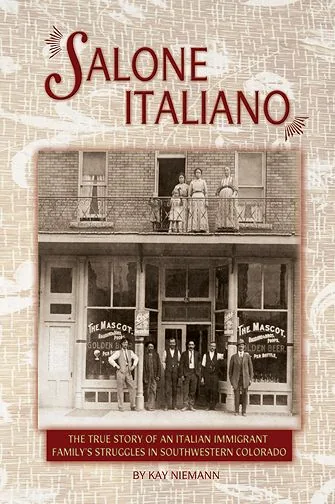
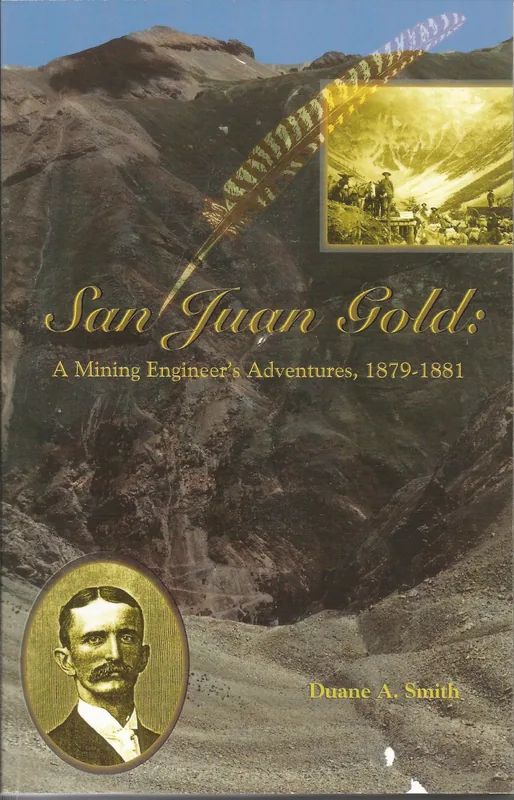
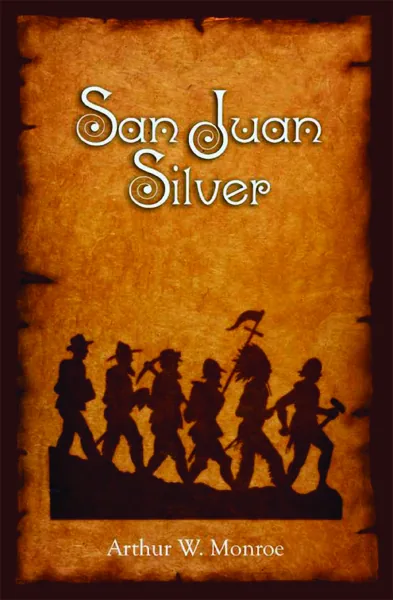
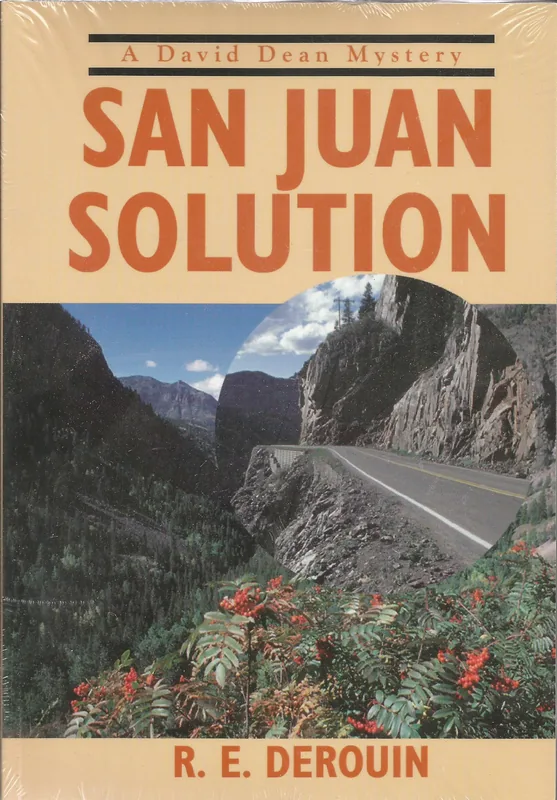
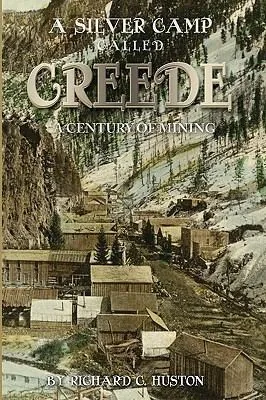
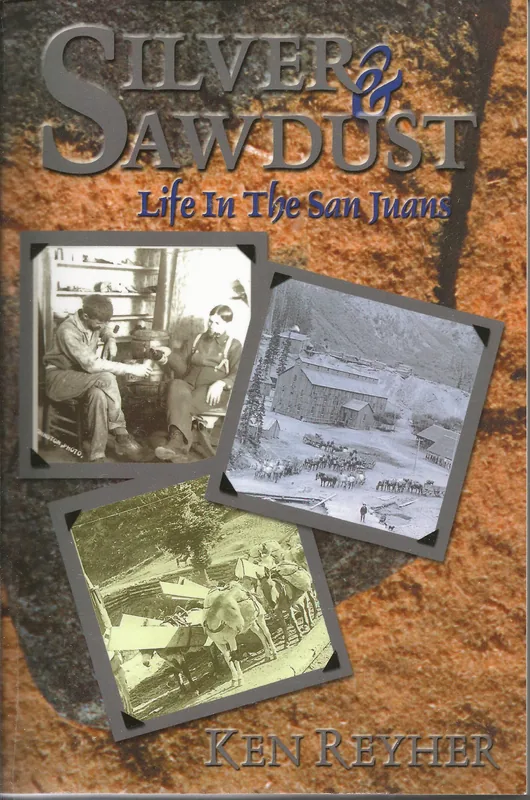
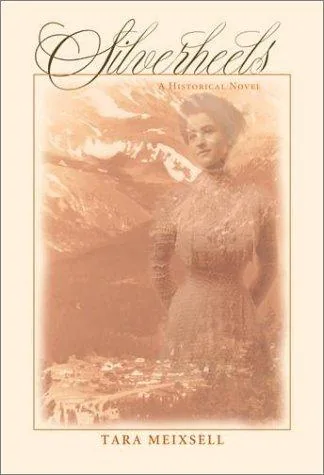
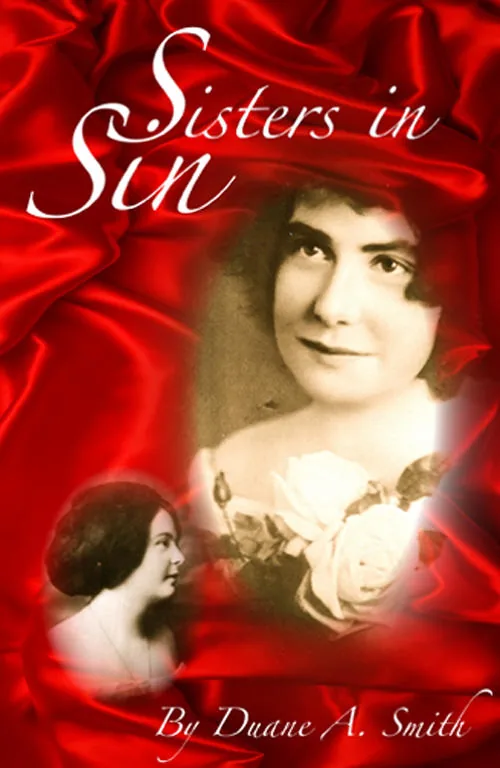
The testimonials of all our wonderful clients
Our clients love to share how it felt to work with us. Here is what some of the authors we have partnered with had to say about the experience.
★★★★★“Working with the Western Reflections Publishing team was a great experience. I came to them with a book idea but needed help structuring it into a finished manuscript. They took the time to learn my objectives right away, communication stayed consistent throughout, and the writers did a great job keeping my voice while improving the structure and flow. I was impressed by how well the finished manuscript reflected my vision.”
Olivia Adams
★★★★★“Western Reflections Publishing took my half-baked idea and turned it into something beautiful. Sarah, my editor, was incredibly patient with me. The cover design team nailed my vision, and the publishing process was smooth. Seeing my book on Amazon is surreal. I'm beyond grateful for their services.”
Amy Tosh
★★★★★“I'm beyond impressed with the editing team at Western Reflections Publishing. They didn't just fix my grammar; they truly understood my voice and helped refine the narrative flow of my book. The transformation from my initial draft to the final version is incredible. If you want your book to stand out, this is the place to go.”
Dakota Bailey
★★★★★“I've published multiple titles, but working with Western Reflections Publishing for my latest release was the smoothest experience yet. From editing to marketing to distribution, their team was professional and responsive. It's clear they truly care about their authors' success, and the best part was that they valued my input and let me take the lead.”
Betty Lentz
★★★★★“I honestly didn't expect the publishing process to feel this smooth, but Western Reflections Publishing made it surprisingly easy. Their editing and formatting teams were thorough and attentive, and they guided me step by step. I felt supported the whole way, which gave me the confidence to finally share my book with the world.”
Caleb Hudson
★★★★★“I was pleasantly surprised by how smooth the process was with Western Reflections Publishing. Their developmental editing brought new clarity to my manuscript, and the formatting team delivered a polished, professional final version. The team's support and clear communication made the entire publishing experience easy to navigate.”
Madison Palmer
Tell us your news
Send us a few lines about the news and the date it needs to go out. Two lines are enough to start. For example: "My memoir about growing up on a ranch near Gunnison comes out in May. Is that news?"
Every service, in one place
- Ghostwriting Services
- SEO Writing
- Article Writing
- Web Copy Writing
- Press Release
- Script Writing
- Magazine Writing
- Legal Ghostwriting
- Medical Ghostwriters
- Podcast Scriptwriting
- Real Life Story Writing
- Scientific Ghostwriting
- Screenplay Script Writing
- Songwriting Services
- Speech Script Writing
- Technical Ghostwriting
- Twitter Ghostwriting
- Brand Storytelling
- Business Book Writing
- Children’s Book Writing
- Comic Book Writing
- Corporate Writing Services
- Rewriting
- Resume Writing
- Ghostwriting in Arizona
- Ghostwriting in Colorado
- Ghostwriting in Georgia
- Ghostwriting in Illinois
- Ghostwriting in Kansas
- Ghostwriting in Nebraska
- Ghostwriting in New Mexico
- Ghostwriting in New York
- Ghostwriting in North Carolina
- Ghostwriting in Ohio
- Ghostwriting in Oklahoma
- Ghostwriting in Pennsylvania
- Ghostwriting in Texas
- Ghostwriting in Utah
- Ghostwriting in Virginia
- Ghostwriting in Washington