Line Editing Services That Fix the Sentence, Not Your Voice
Our line editing services take a finished, structurally settled manuscript and work through it one sentence at a time, for rhythm, clarity, repetition and voice. Every change comes back as a tracked change, so you accept or reject each one. We're an independent publisher in Lake City, Colorado, and we've been putting books into print since 1996. This is not the structural edit, which is developmental editing, and it isn't the grammar-and-consistency pass, which is the copy edit. It's the stage where the writing starts to sound the way you hear it in your head.

Why authors send us manuscripts
- Publishing books since 1996, with a back catalogue of regional history, biography, memoir and Western writing.
- Your copyright, royalties and manuscript stay yours.
- An NDA is signed before work starts.
- A fixed fee is quoted before any editing begins.
What line editing services do to a sentence
Most people meet the term in a quote, not in a classroom, so it helps to see the job itself before the price.
A line edit is a close read at the level of the sentence and the paragraph it sits in. For every line, the editor asks one question: does this say what the author meant, as cleanly as it can, in the author's own voice? The "line" is the unit of work. It isn't the whole chapter and it isn't the single word.
The editor reads the book once at speed before marking anything. That first read matters more than it sounds. Without it, chapter one gets edited blind to chapter twenty, and the narrator ends up with three different ways of talking.
The list is long, but each item is small and concrete:
- Rhythm. Three long sentences in a row that need a short one to break them. A staccato run that wants one long sentence to let the reader breathe.
- Clarity. A sentence the reader has to read twice to understand.
- Repetition. The same word, or the same opener, three times in a paragraph. A striking image used on page 12 and again on page 14.
- Voice. A formal phrase dropped into a casual narrator's mouth.
- Tone. A joke that lands in the middle of a grief scene.
- Point of view. A close-third narrator who suddenly knows what another character is thinking.
- Transitions. The jump between one paragraph and the next, or one scene and the next, where the reader loses their footing.
- Concision. Throat-clearing, doubled modifiers, "began to" and "started to" where the verb alone would do.
- Dialogue and filter words. Tags that over-explain, and "she saw" and "he felt" standing between the reader and the scene.
None of these is an error in the way a misspelled name is an error. They're choices. That's exactly why the author makes the final call on each one.
It helps to know how the editor weighs them. A repeated word is not automatically a flaw. Three sentences opening with "He" in a fast chase scene can be the rhythm of someone running. The same three openers in a quiet paragraph about a kitchen are just a habit. A line editor judges each against the scene around it, and that's the part no checklist can do. It's also why the same page can be edited well in two different ways, and why the author's reply to a comment ("no, I want that") is part of the work, not an interruption to it.
Here's what that looks like on the page. These are constructed examples, invented for this page and not taken from any client's book.
Nonfiction, before:
There are a number of reasons why it is the case that many small business owners tend to put off the process of hiring their first employee.
After:
Many small business owners put off hiring their first employee, for a few reasons.
Twenty-seven words became fourteen, and the meaning didn't move. The editor cut "there are a number of reasons why it is the case that," which announces a point instead of making it, turned "the process of hiring" into "hiring," and dropped "tend to," which hedged a claim the author clearly believed.
Fiction, before:
She saw the door open and felt a chill creep up her back.
After:
The door opened. A chill crept up her back.
The filter words went. "She saw" and "felt" put a narrator between the reader and the door, and the edit lets the reader see it directly. The two short sentences also give the moment a beat it didn't have.
What the editor left alone:
Nothing. Not a sound.
A fragment, twice, in a scene written to be quiet. A rules-first edit would join them into one sentence. A line editor reads the page, sees the author did that on purpose, and leaves it. A comment in the margin may ask whether the author meant it, but the fragment stays unless the author says otherwise.
If you'd like to see your own habits before anyone else does, paste a chapter into our free Line Edit Report. It counts adverbs, filler, filter words, passives and repeated sentence openers, and nothing leaves your browser. It can't judge a sentence, but it shows you which habits to look for.
Line editing vs copyediting vs developmental editing vs proofreading
The four levels of book editing are four different jobs on four different layers of the same manuscript. Most books need two or three of them, rarely all four. The full side-by-side comparison, with costs, is on our professional book editing services page. Here is only where the line edit sits and what it leaves alone.
This level touches structure: the order of chapters, the pacing, whether an argument holds, whether a character's arc pays off. It leaves the sentences largely as the author wrote them. If the book's shape is still in question, a developmental edit comes before any line work.
This level touches how the book reads: rhythm, clarity, voice, repetition, tone and transitions. It leaves the structure and the facts alone. A line editor will fix a stray typo that happens to be standing in the way of a sentence, but hunting down every typo isn't the job.
This level touches correctness and consistency: grammar, punctuation, spelling, hyphenation, the style sheet, and checking the manuscript against the author's own material. It leaves your voice alone. A copyeditor works from a style guide such as The Chicago Manual of Style, which is the working reference behind most American trade books, and the line edit works above that guide, on the question of whether a sentence reads well at all. Our copyediting page covers that stage in full.
This level touches typeset pages only: typos, bad line breaks, a heading that doesn't match the contents page, anything the earlier passes moved. It leaves the text itself alone. See proofreading for the details.
Take one muddled sentence with a doubled word and a missing comma, in a paragraph that might not need to exist. The developmental editor asks whether the paragraph should be there at all. The line editor rebuilds the sentence so it moves, and chooses which of the two clumsy phrases survives. The copyeditor fixes the comma splice and makes the hyphenation match the rest of the book. The proofreader, weeks later, catches the "the the" that crept in when the pages were typeset.
Need the whole book taken through each stage in order? That's a combined manuscript edit, scoped as one project.
"Line editing" doesn't mean the same thing on every quote
If you're comparing prices from several providers, check this before you compare anything else. The same two words can describe quite different work, and a low quote may simply be a quote for a different job.
In some British usage, "line editing" or "line-by-line editing" is used for what American editors would call proofreading, or sometimes a light copy edit. If you're an American author who receives a UK quote for a "line edit" priced like a proofread, you've probably been quoted a different job than the one you think you're buying. Nobody is being sneaky. It's a difference in trade vocabulary.
The Chartered Institute of Editing and Proofreading is the UK professional body for editors, and a useful place to see how that side of the trade organizes its work: it runs separate training for copyediting and for proofreading, which tells you how it thinks about the levels. When you read any quote, whichever country it comes from, ask what the provider means by the words.
- What do you mean by "line edit"? Ask for a sentence, not a brochure.
- Will I see every change as a tracked change, with comments where the reason isn't obvious?
- Is a copy edit included, or is it a separate stage with a separate price?
- Is the work done on my manuscript file, or on typeset pages?
Ours is the sentence-level edit, done on the manuscript file and shown as tracked changes. The copy edit is its own stage, and it comes after.
There's one more difference worth checking, and it's the file. Some quotes assume a Word document that's still open to change. Others assume pages that have already been laid out. A line edit on typeset pages is awkward and expensive, because every change has to be re-flowed, and it's usually a sign the stages were bought in the wrong order. Ours happens before layout, which is the only point where sentences can be reshaped without disturbing the page.
The same confusion happens inside the US. Some companies price a line edit but deliver mostly grammar fixes and a few tracked rewrites. You can usually tell from the sample: count how many of the changes are about how the page reads and how many are about rules. If nearly all of them are rules, you've been sold a copy edit under a different label.
Tell us about the project
Send a few details about line editing services and a person on our team will reply with a fixed quote. You'll know the price before any work begins.
Prefer to talk? Call (336) 565-6915, Monday to Friday, 9am to 5pm Mountain Time.
Line editing fiction, nonfiction, memoir and children's books
The craft is the same. The things a line editor hunts for change quite a lot from one kind of book to the next.
Novels are the most common line edit we see. The editor watches for filter words and distancing verbs ("she noticed that," "he could see"), point-of-view slips, and dialogue: whether the tags are doing too much work, whether people actually talk the way the characters do. The pace of action sentences gets compared with the pace of reflective ones. Adverb clusters get thinned. An image that's striking once and tiresome the third time gets caught. So does the habit of ending every chapter on a one-line paragraph, which is effective in chapter three and a tic by chapter thirty. Pacing is read at sentence scale here: whether a fight scene is written in sentences long enough to slow it down, or a tender one in sentences too clipped to let it breathe.
A good fiction line editor also protects what's deliberate. Dialect and idiolect belong to the character, and a regional voice isn't a mistake to be corrected. We publish Colorado and Western writing, so we know the difference between a rancher's cadence and sloppy prose.
Here the habits are different. Throat-clearing openers. Stacked abstractions, where "the implementation of the optimization of" stands in for "improving." Nominalizations that bury the verb. Passive stacks that hide who is doing what. Jargon the reader can't decode. A promise at the start of a chapter that the chapter doesn't keep. Inconsistent names for the same idea, which the line editor flags and the copyeditor later settles on the style sheet.
Here is a small invented example, again not from a client. Before: "It is important to note that the utilization of customer feedback is a key driver of the improvement of products." After: "Customer feedback improves products." The long version isn't wrong, and a copyeditor would pass it. A reader would still lose patience by the third sentence like it, which is the line editor's territory.
A business-book line edit tightens an argument sentence by sentence. It doesn't rebuild the argument. If you need the book written rather than polished, that's a business book writing job.
The risks in a memoir are tense drift between the past and the recalled present, the narrator at ten sounding exactly like the narrator at sixty, and emotional beats that get explained after the reader has already felt them. The line editor keeps your cadence and doesn't improve it into someone else's. Memoirists often ask whether the editor will make them sound "more literary." The answer is no, unless that's what you ask for, and even then we'd suggest keeping the plainness that made the stories believable. Readers of memoir come for a particular person talking, and a polish that sands off the person defeats the purpose.
Read-aloud rhythm matters most here, along with sentence length against the age band, and the difference between a repeated phrase that's a refrain and one that's a flaw. Short manuscripts can also hit the minimum fee, which the cost section below explains. Our blog has more on children's book editing.
How much of your voice survives a line edit
Everyone who sells this service says your voice stays. Few say how. This is the mechanism.
The editor reads before marking, and pays special attention to the sentences you wrote when you weren't trying: the emails, the dialogue, the one page that came out fast. Those pages set the standard. The editor marks what departs from your own best writing, not what departs from the editor's taste.
Every change is a tracked change, and many carry a short comment saying why. The line editor works on your manuscript, and you make every call.
Deliberate fragments. Dialect. Regional speech. A refrain repeated on purpose. A long, breathless sentence that's long because the moment is. A good editor will usually spot these, but you can make it certain by writing a half-page note to go with the manuscript: three or four things you do on purpose. It gives the editor a map. If you send a sample for us to read, include the same note with it.
If you write one, keep it short and practical. Here is an invented example, not from any client:
I write Southwest dialect on purpose, so "ain't" and "reckon" stay. Chapter 9 is one long sentence because the character is panicking. I repeat "the river" at the start of each section as a refrain. I use sentence fragments when someone is angry. Please question me on anything else.
That's four decisions in four lines, and an editor can honor all of them from the first page. Without it, the editor has to infer which oddities are choices, and an inference is a guess. Authors tend to be surprised by how much they do on purpose once they're asked to list it.
Sometimes a chapter can't be fixed one sentence at a time. If it needs rewriting, a line edit isn't the tool, and we'd rather say so than quietly rewrite your pages or take your money for work that won't solve the problem. We'll tell you what the book needs instead, which may be a developmental edit, a rewrite or, if the draft was never yours to begin with, ghostwriting.
What you receive at the end of a line edit
The manuscript with every change tracked
You accept or reject each one, and nothing is final until you say so.
Comments in the margin where a change needs a reason, or where the editor has a question only you can answer
The same team for questions
A writer, an editor and a project manager stay with the book, so you aren't explaining it again to someone new.
A clear boundary with the next stage
The copy edit is separate. A line edit changes sentences, which can introduce small new slips, and the copyeditor sweeps those up afterward.
The first time you open a marked file, it can look like a battlefield. A few habits make it manageable:
Set Word to show All Markup, so you see insertions, deletions and comments together, and read one chapter at a time rather than the whole file in a sitting.
Make your first pass for the comments, since those are the places the editor wants a decision, and answer them before touching the changes.
Then go change by change
Accept what's obviously right, reject what isn't you, and when you reject, ask yourself whether the editor spotted a real problem that deserves a different fix. Often the answer is yes, and your own fix is better than either version.
Read each edited chapter aloud at the end
Your ear will catch a rhythm the eye forgave.
Rejecting changes is normal and expected. A line edit where the author accepts every single suggestion is usually a sign that the author didn't read it.
What a sample read shows, and what it's for
Before we quote anything, we read a sample. Our pricing page says it plainly: we read a sample before quoting, and we'll say if your manuscript needs an earlier stage than the one you asked for.
A line edit is only worth buying once the structure is settled. Polishing a chapter that gets cut next month is money spent twice, because every later stage charges by the word. So the sample read sometimes ends in a different, and cheaper, recommendation than the one you came in with. Better to hear that from a publisher before you've paid than from the book after.
If any provider returns a sample edit, five checks tell you most of what you need to know:
- Did the changes explain themselves? A good editor leaves a reason where the reason isn't obvious.
- Did your voice survive? Read the edited page aloud. It should sound like you on a good day.
- Did it catch something you hadn't seen? A repeated phrase, a habit, a sentence that only looked fine.
- Did it overreach? If whole paragraphs were rewritten, you're looking at a rewrite, not a line edit.
- Did it fix rules instead of reading? If nearly every change is a comma, you're looking at a copy edit in disguise.
And ask for tracked changes, not a clean version. A clean page hides everything you need to judge.
Send a chapter from the middle of the book, not the first one. First chapters are usually the best-edited pages in a manuscript, because the author has been polishing them for years, so they flatter the book. Tell us who the book is for and how you want it to feel to read. Then send us a sample or use the quote form, and we'll tell you what we see.
Is your book ready for a line edit?
A line edit sits in the middle of the sequence: after the structure is settled, before the copy edit.
A line edit rewrites sentences, so it creates new commas and new tiny errors. The copyeditor needs to sweep those up afterward. If you copyedit first and line edit second, the copyedit is wasted, because the line edit undoes it. And if you line edit before the structure is fixed, you're polishing text that may be cut. Each stage assumes the one before it is finished. If you'd like all of the stages scoped together, our manuscript editing services cover that.
- Someone other than you has read the structure: a developmental editor, a beta reader, a writing group.
- You can say what each chapter is for, in a sentence.
- You've edited the book hard yourself at least twice. Our guide on how to self-edit your book is a good place to start if you haven't.
- You want the book to sound better, not different.
Pick three pages from the middle of the book and read them aloud, slowly, with a pencil. Mark every place you stumble, every sentence you have to start again, every spot where you hear yourself taking a breath that the punctuation didn't ask for. If you mark two or three places, the prose is in good shape and the copy edit may be all you need. If you mark a dozen, a line edit will earn its fee. If you mark almost every line, the problem is probably bigger than sentences, and the earlier stages are the better spend.
Chapters might still be cut or reordered. The middle sags. The argument isn't finished. The manuscript is a first draft from a new writer. In those cases, a manuscript assessment, priced at $0.020 a word, is the inexpensive way to get an honest reading, and developmental editing is the real fix. Our explainer on the types of book editing lays out how the stages fit together.
How a line edit runs, step by step
There are four steps, and none of them needs you to be anywhere in particular. The work is done by email, telephone and video.
Tell us who the book is for and what you want it to feel like to read.
We say whether the book needs a line edit or an earlier stage, then agree the scope and the price with you.
Every change is tracked and the harder ones carry a comment.
Accept or reject every change, ask your questions, and take the final file.
If you'd rather talk the book through than write it down, call us at (336) 565-6915 during office hours, Monday to Friday, 9am to 5pm Mountain Time.
What a line edit costs, with worked examples
The line edit is $0.027 a word, with a minimum fee of $450 a pass. You can see every rate we publish on our published rates page, and the other levels sit side by side in the guide to what book editing costs.
Here is the arithmetic, worked out from the published rate. These are examples, not quotes.
- An 80,000-word novel, which is about 300 printed pages: 80,000 x $0.027 = $2,160. Editing is paid half on booking ($1,080) and half on delivery ($1,080).
- A 50,000-word book: 50,000 x $0.027 = $1,350.
- A 12,000-word short nonfiction manuscript or picture-book-length text: 12,000 x $0.027 = $324, which is under the minimum, so the $450 minimum fee applies. Our pricing page says the minimum applies below about 20,000 words, so short books are where you'll meet it.
Because the rate is per word, a few habits keep the bill honest. Cut what you already know you'll cut before the manuscript comes to us, since every word in the file is a word you pay for. Run the self-edit first, and the chapter-level cuts with it. Settle the structure so the line edit happens once. And send an accurate word count with your request, so the figure you see is the figure you pay.
What moves the price is length, plus whichever stages the sample read recommends. Sometimes the honest answer is a different stage, and that can change the total a good deal. We don't sell packages, we don't bill by the hour, and we don't ask for the full fee up front. For context, a typical independent book, with editing, a cover, layout and files, comes to $2,500 to $6,000 in total.
What moves the price is length, plus whichever stages the sample read recommends.
Why authors give their line edits to a publisher's editors
A line edit asks a lot of trust, because the editor is working on the way you sound. Here's why you can give it to us.
We edit and publish books
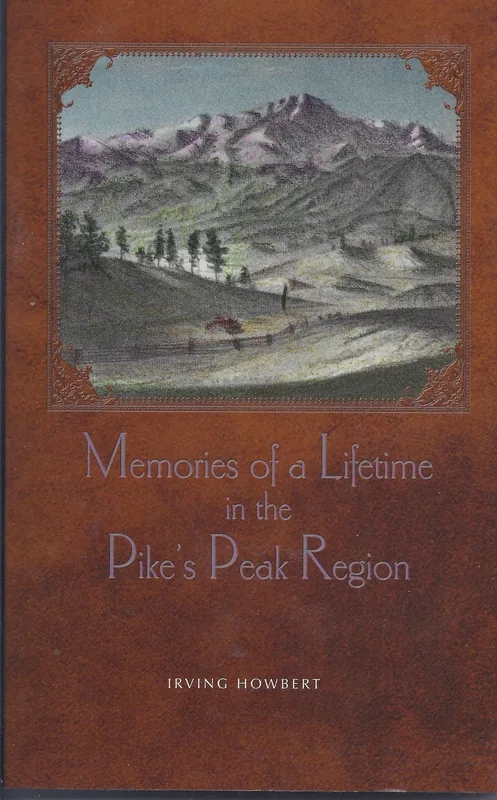
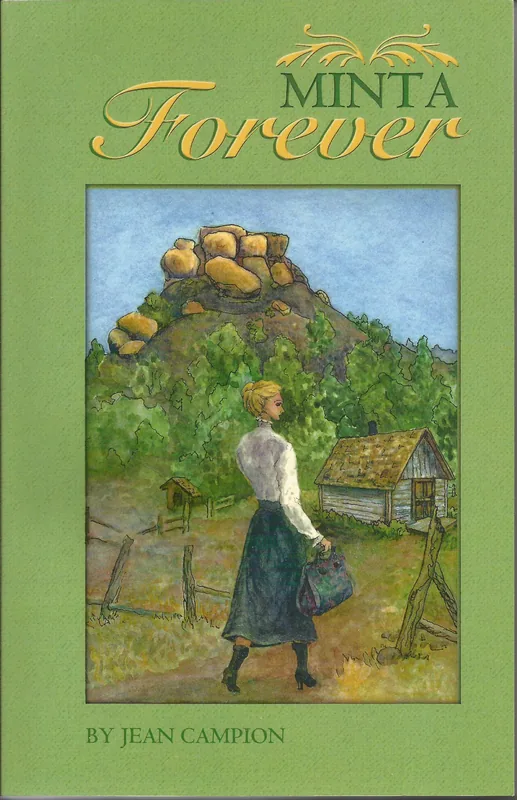
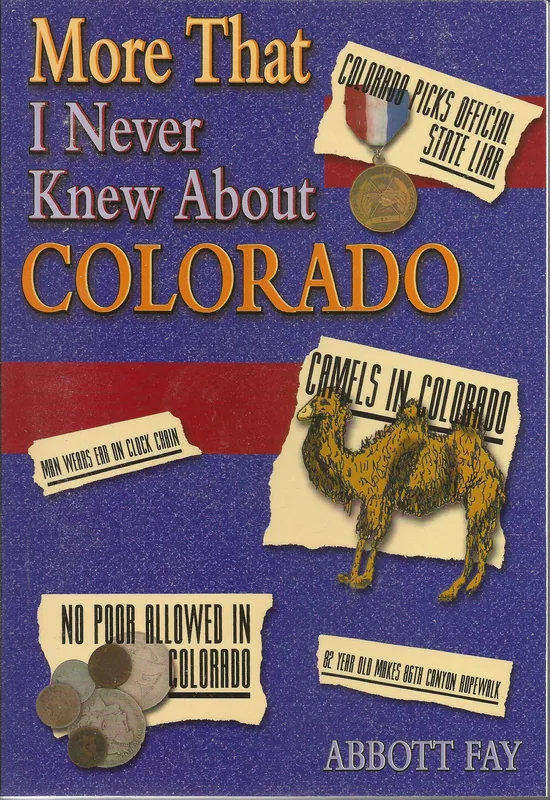
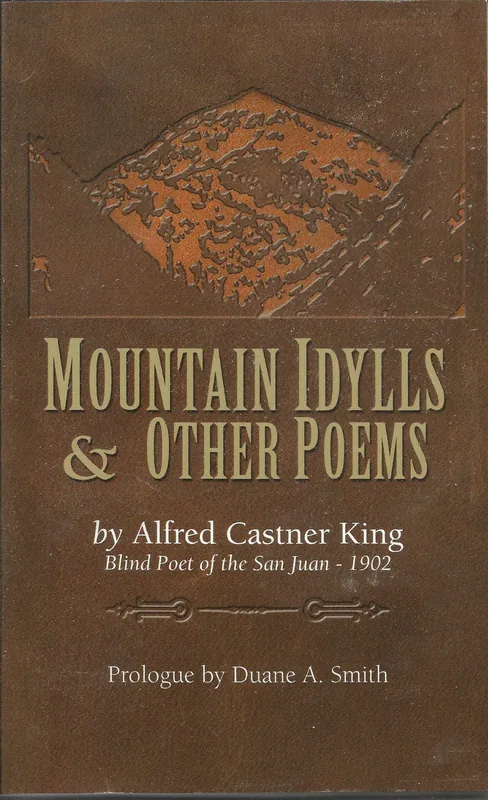
Our back catalogue runs to regional history, biography, memoir and Colorado and Western writing. Our editors read voice for a living, and the editorial board reads every submission that comes in. That matters for a line edit more than for any other stage, because the job is judging whether a sentence belongs to the person who wrote it. People who work on books from the acquiring side, the author's side and the reader's side tend to develop an ear for that.
One team per book
A writer, an editor and a project manager stay with the book from the first read to the final file. You deal with the same people throughout.
An honest no
We turn down work we can't do well, and we explain what the book needs instead. A line edit isn't something we'll sell for a book that needs a rebuild.
Your rights stay yours
Copyright, royalties and the manuscript remain with you, and nothing you sign takes ownership of the work. An NDA is signed before anything is read.
Who line editing services are for
- Novelists whose plot works but whose prose is uneven.
- Memoirists who want the voice to carry the book.
- Nonfiction and business-book authors whose argument is settled.
- Independent authors who are about to publish.
- Authors who want the house to consider the book: submit your manuscript, with no reading fee and a written reply either way.
- Anyone with a ghostwritten or AI-assisted draft that needs to read like one person wrote it.
- Authors with a second or third book coming, who want to learn their own habits from the margin comments and carry the lessons into the next draft.
Need the book written, not edited? See our ghostwriting services.
Objections, answered
Four worries come up often enough that they're worth answering here.
"I already use Grammarly or a similar tool."
Software catches surface slips, and some of its suggestions flatten a voice. It can't tell a deliberate fragment from a mistake, and it can't judge a scene. It's a fine first pass. The Line Edit Report is a good way to see your own habits before a human reads the pages.
"I can only afford one pass."
Then the right one depends on the sample read. A clean, well-structured draft often needs a line edit and a proofread. A messier first draft needs an earlier stage first. You pay only for the stages the book actually needs.
"My writing is already pretty clean."
It may be, and a sample read will tell you so. Clean and well-edited are different things, though. A page can have no errors at all and still repeat itself, drag in the middle, or sound like three different people took turns. If the sample read says the prose is already working, we'll say that too, and you'll have spent nothing on a stage you didn't need.
"My book is a first draft."
Send it anyway. The honest answer is probably a developmental edit first, and we'll say so. It's much better to hear that from a reader than to spend your budget on sentences that may be cut.
Questions we get asked
How much does a line edit cost?
Our published rate is $0.027 a word with a $450 minimum fee a pass, so an 80,000-word novel comes to $2,160. The price scales with length and with the stages the sample read recommends. Editing is paid half on booking and half on delivery. Every rate is on our pricing page.
What is line editing vs copyediting?
Line editing is about how the sentences read: rhythm, clarity, voice, repetition and transitions. Copyediting is about whether they're correct and consistent: grammar, punctuation, spelling, the style sheet, and fact checking against your own material. Line edit first. It adds small new slips for the copyeditor to sweep afterward.
Is AI replacing proofreaders?
Software catches many typos and tidy surface mistakes, which makes it a useful first pass. It can't judge whether a repeated phrase is a mistake or a refrain, and it can't read typeset pages for bad breaks. Line editing and proofreading both rest on human judgment about what the author intended.
How much does it cost to edit a 50,000-word book?
A line edit at $0.027 a word is $1,350. A copy edit at $0.023 is $1,150, and a proofread at $0.016 is $800, so all three together come to $3,300. That's arithmetic from our published rates, not a quote. If your book needs only the line edit, it stands alone.
Is line editing the same as proofreading?
No. A proofreader checks typeset pages for typos and bad breaks. A line editor works sentence by sentence on the manuscript file before layout. The confusion often comes from UK usage, where "line edit" can mean proofread. For a second source on how editing differs from proofreading, see the UNC Writing Center's guide to editing and proofreading.
Are there free line editing services?
Free tools exist, and they're worth using first. Our Line Edit Report counts adverbs, filler words, filter words and passives in your own browser. A person reading and editing your pages is a paid service. We do read a sample before quoting, though, and we'll tell you whether you need a line edit at all.
Do you line edit novels?
Yes. Fiction is the most common line edit: filter words, point-of-view slips, dialogue and scene transitions, with the genre's voice left intact. We edit memoir, nonfiction, business and children's books the same way, and a sample read comes first for any of them.
Will a line editor change my voice?
It shouldn't. Every change is tracked for you to accept or reject, with a comment where the reason isn't obvious. Tell the editor what you do on purpose, such as dialect, fragments or refrains, and it stays. If a chapter needs a rewrite, we say so rather than rewriting it quietly.
Do I need a line edit if I've had a developmental edit?
Usually, yes. A developmental edit fixes structure and leaves most sentences as they were. But if you rewrote chapters in response to it, those sentences are new text, and they benefit from a line edit. Skip it only if the sample read says the prose is already clean.
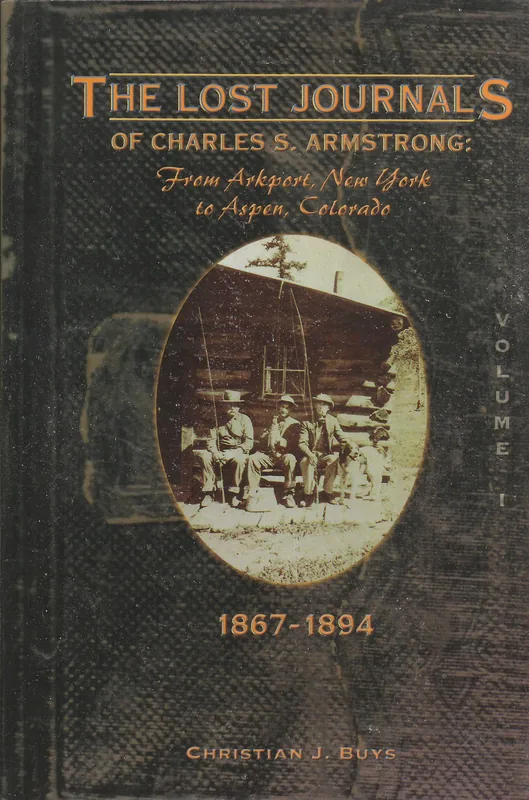
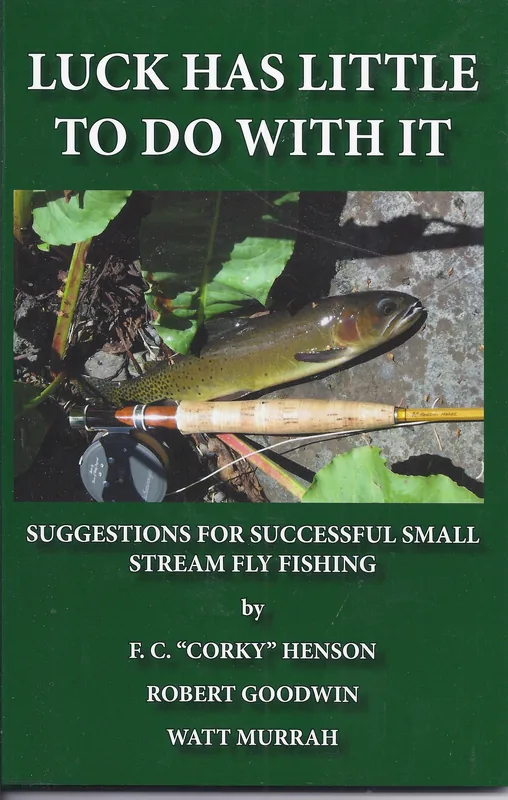
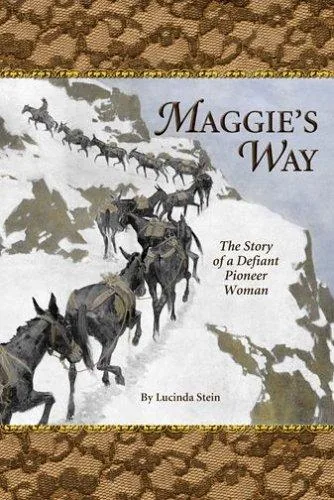
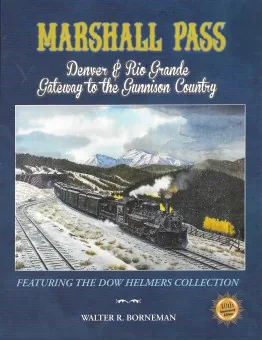
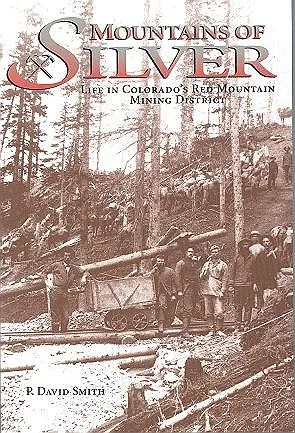
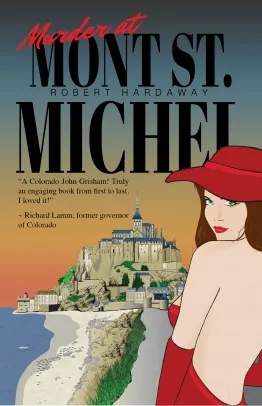
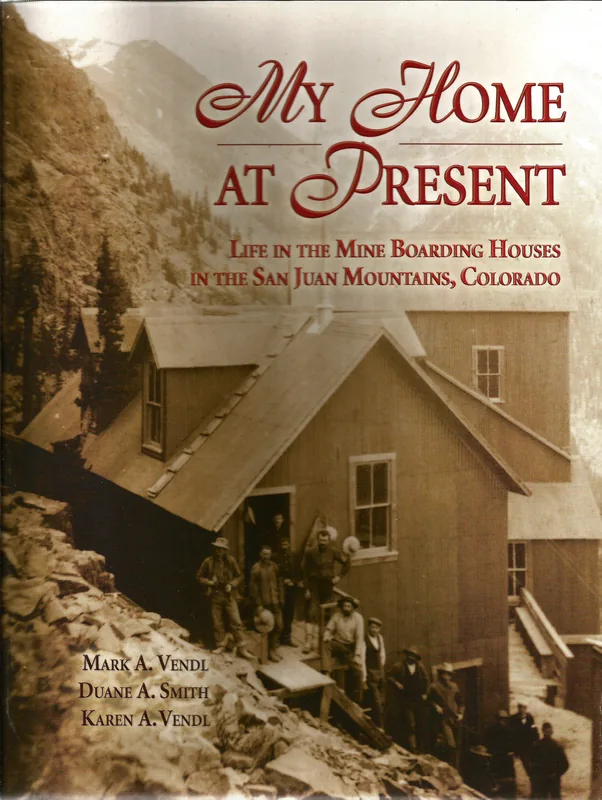
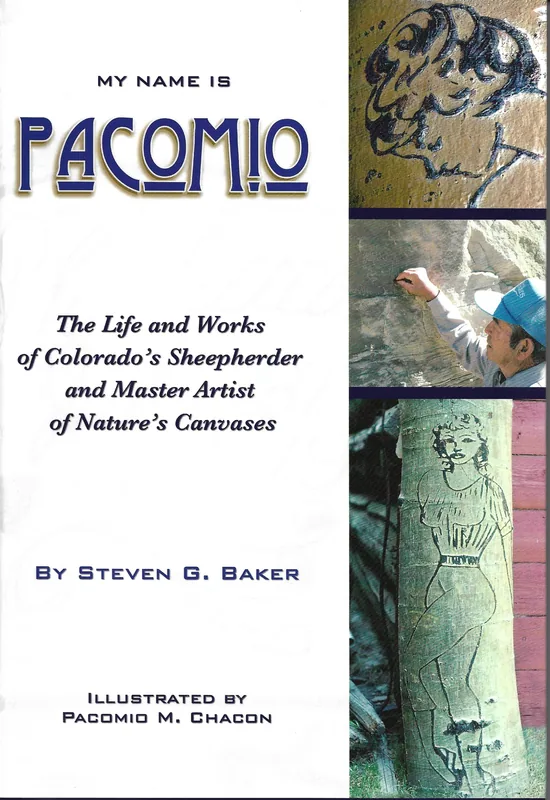
The testimonials of all our wonderful clients
Our clients love to share how it felt to work with us. Here is what some of the authors we have partnered with had to say about the experience.
★★★★★“Working with the Western Reflections Publishing team was a great experience. I came to them with a book idea but needed help structuring it into a finished manuscript. They took the time to learn my objectives right away, communication stayed consistent throughout, and the writers did a great job keeping my voice while improving the structure and flow. I was impressed by how well the finished manuscript reflected my vision.”
Olivia Adams
★★★★★“Western Reflections Publishing took my half-baked idea and turned it into something beautiful. Sarah, my editor, was incredibly patient with me. The cover design team nailed my vision, and the publishing process was smooth. Seeing my book on Amazon is surreal. I'm beyond grateful for their services.”
Amy Tosh
★★★★★“I'm beyond impressed with the editing team at Western Reflections Publishing. They didn't just fix my grammar; they truly understood my voice and helped refine the narrative flow of my book. The transformation from my initial draft to the final version is incredible. If you want your book to stand out, this is the place to go.”
Dakota Bailey
★★★★★“I've published multiple titles, but working with Western Reflections Publishing for my latest release was the smoothest experience yet. From editing to marketing to distribution, their team was professional and responsive. It's clear they truly care about their authors' success, and the best part was that they valued my input and let me take the lead.”
Betty Lentz
★★★★★“I honestly didn't expect the publishing process to feel this smooth, but Western Reflections Publishing made it surprisingly easy. Their editing and formatting teams were thorough and attentive, and they guided me step by step. I felt supported the whole way, which gave me the confidence to finally share my book with the world.”
Caleb Hudson
★★★★★“I was pleasantly surprised by how smooth the process was with Western Reflections Publishing. Their developmental editing brought new clarity to my manuscript, and the formatting team delivered a polished, professional final version. The team's support and clear communication made the entire publishing experience easy to navigate.”
Madison Palmer
Send a chapter, get a straight answer
Send us a sample and tell us who the book is for. We'll read it, say whether it needs a line edit or an earlier stage, and quote a fixed fee. Call us on (336) 565-6915 or write to info@westernreflectionspublishing.com. If you'd rather the house considered the book itself, you can submit your manuscript for publication.
Every service, in one place
- Ghostwriting Services
- SEO Writing
- Article Writing
- Web Copy Writing
- Press Release
- Script Writing
- Magazine Writing
- Legal Ghostwriting
- Medical Ghostwriters
- Podcast Scriptwriting
- Real Life Story Writing
- Scientific Ghostwriting
- Screenplay Script Writing
- Songwriting Services
- Speech Script Writing
- Technical Ghostwriting
- Twitter Ghostwriting
- Brand Storytelling
- Business Book Writing
- Children’s Book Writing
- Comic Book Writing
- Corporate Writing Services
- Rewriting
- Resume Writing
- Ghostwriting in Arizona
- Ghostwriting in Colorado
- Ghostwriting in Georgia
- Ghostwriting in Illinois
- Ghostwriting in Kansas
- Ghostwriting in Nebraska
- Ghostwriting in New Mexico
- Ghostwriting in New York
- Ghostwriting in North Carolina
- Ghostwriting in Ohio
- Ghostwriting in Oklahoma
- Ghostwriting in Pennsylvania
- Ghostwriting in Texas
- Ghostwriting in Utah
- Ghostwriting in Virginia
- Ghostwriting in Washington