






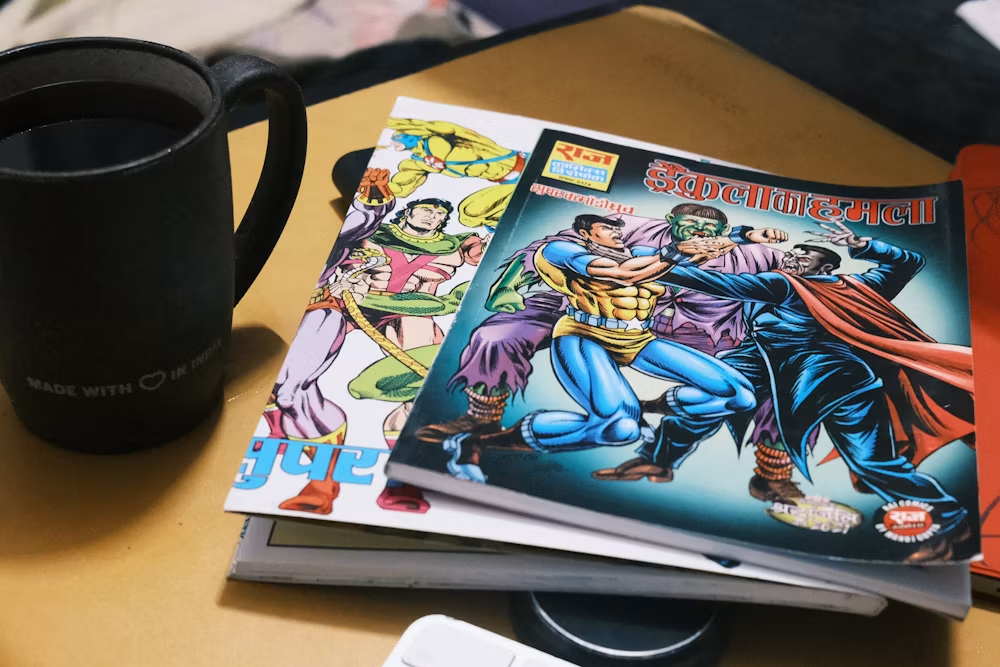
The world of zines has always been a lively, do it yourself corner of publishing where creativity flourishes outside the gatekeeping of the mainstream comics industry. In 2026, zines and small press anthologies remain one of the friendliest on ramps for comic artists, illustrators, and storytellers who want to see their pages in print without waiting years for a big publisher to say yes. From all ages adventures to raw autobiographical work and edgy experimental art, zine publishers are actively seeking submissions from creators all over the world. They offer not just a chance to be published but a way to join an engaged, passionate community of readers and makers.
If you are a comic artist trying to navigate this landscape, here is a practical guide to zine publishers accepting comic submissions in 2026. You will learn what each one looks for, how the submission process usually works, and how to put together a package that gives your comic its best shot at acceptance.
What Counts as a Comic Zine?
A zine, short for magazine or fanzine, is a self published booklet that is usually short, inexpensive, and produced in small runs. A comic zine simply applies that format to sequential art. It might be a folded one sheet mini comic, a saddle stitched booklet of stapled pages, or a printed anthology that gathers many creators around a single theme. The appeal is speed and freedom. A zine can go from idea to finished booklet in an afternoon, and no editor is telling you to make it more commercial.
The line between a polished graphic novel and a scrappy mini comic is deliberately blurry. Comics tend to lean commercial, with professional production and marketable storylines, while zines celebrate the handmade, the personal, and the experimental. That is exactly why zine publishers are so welcoming to new voices. If you want a deeper primer on the format and its history, the Towson University library guide to zines and self publishing is a great starting point.
1. Iron Circus Comics
Iron Circus Comics is one of the best known independent comics publishers in the United States, famous for its crowdfunded anthologies and its blunt, creator friendly reputation. Editor and founder Spike Trotman built the press on the idea that weird, heartfelt, and underrepresented stories deserve a home.
Why Submit Here?
Iron Circus regularly curates themed anthologies, which are an ideal entry point for zine creators because they let you contribute short form work alongside established artists. The press has published everything from erotica to all ages fantasy, so a genuinely original pitch rarely feels out of place. If family friendly work is your focus, it helps to weigh their calls against other all ages comic publishers accepting submissions.
Submission Guidelines
Iron Circus opens and closes submissions in windows rather than accepting proposals all year, so timing matters. When the window is open, they require a complete proposal package that follows their posted rules, including a signed submission release form. Read the current calls on the official Iron Circus Comics submissions page before sending anything, because unsolicited work outside the guidelines is set aside unread.
2. Silver Sprocket
Silver Sprocket is a San Francisco based publisher, retail shop, and gallery that champions independently produced comics, graphic novels, and zines. It has become a hub for work that is authentic, weird, political, or experimental.
Why Submit Here?
If your comic has a handmade aesthetic and a sincere point of view, Silver Sprocket is a natural fit. They are especially open to mini comics, short graphic novels, and unusual formats, and they care far more about a distinct artistic voice than about mass market appeal. You can learn about their ethos and current focus on the Silver Sprocket about page.
Submission Guidelines
Silver Sprocket also runs a consignment program for self published comics and zines, which is a low pressure way to get your printed work onto their shelves and into their online store even if a full publishing deal is not on the table. Watch their site for open reading periods and consignment instructions.
3. Avery Hill Publishing
Avery Hill Publishing is a respected United Kingdom press known for beautifully produced graphic novels and zines. Their catalog leans toward literary, emotionally grounded storytelling, and as a UK house it makes a useful gateway into the wider field of European comic publishers accepting submissions.
Why Submit Here?
Creators who write slower, character rich narratives about identity, memory, relationships, and the quiet tensions of everyday life will feel at home here. Avery Hill favors visually elegant projects that push the medium forward rather than chase trends, so thoughtful, personal comics stand out.
Submission Guidelines
Because Avery Hill publishes a limited number of titles each year, a strong pitch letter and a clear sense of your project’s tone are essential. Include sample pages that show your storytelling as well as your art, and be patient, since small literary presses read carefully and slowly.
4. Radiator Comics
Radiator Comics is a small press and distributor that focuses on autobiographical, educational, and socially relevant comics. It grew out of the mini comics and zine scene, so it understands the culture from the inside.
Why Submit Here?
If your work is confessional, documentary, or built around real experiences and ideas, Radiator is one of the most sympathetic homes you can find. They value honesty and craft over polish, which makes them approachable for newer creators.
Submission Guidelines
Radiator often distributes and stocks self published minis, so even outside formal publishing calls you may be able to get your zine carried. Send a short, clear description of your comic, a few representative pages, and details about your print run and format.
5. Scout Comics
Scout Comics is an independent publisher that is unusually welcoming to first time creators. While it publishes full length series rather than pocket zines, it is worth knowing for any comic artist ready to take the next step. Once you outgrow the zine format, it pays to study the broader market of comic book publishers accepting submissions.
Why Submit Here?
Scout focuses on creator owned projects and posts clear submission guidelines, which removes a lot of the guesswork that scares off newcomers. A tight pitch and a compelling first issue can genuinely get read here.
Submission Guidelines
Prepare a professional pitch package with a synopsis, character notes, and finished sample pages. Because Scout works at a larger scale than a zine collective, treat the submission the way you would a job application, with clean formatting and a confident but honest cover letter.
6. Comic Fury Zine and Community Anthologies
Beyond established presses, a huge share of comic zine opportunities come from rotating community anthologies. Comic Fury Zine and similar creator run projects publish issues built around specific themes and open their doors on a schedule.
Why Submit Here?
Community anthologies are the most accessible option for emerging artists. They welcome short one shot comics, they are transparent about deadlines, and they connect you with peers who are learning alongside you. Many are free to submit to and offer contributor copies.
Submission Guidelines
These zines usually publish exact technical specs, such as page dimensions around A5 or 5.5 by 7.75 inches, resolution of at least 300 dots per inch, and file formats like PNG or JPEG. Your submission is typically a completed one shot with a cover page that fits the announced theme. Follow the specs precisely, because formatting errors are the most common reason a piece gets bounced.
How to Prepare a Comic Zine Submission
No matter which publisher you approach, a strong package tends to share the same ingredients. Start with a short, warm cover letter that names the publisher, describes your comic in a sentence or two, and states its length and format. Attach sample pages, usually three to five, that show your best sequential storytelling rather than isolated splash images. Add a brief synopsis so the editor grasps your concept quickly, and close with a short artist bio.
Presentation matters as much as talent at this stage. Clean lettering, readable panel flow, and consistent page sizing signal that you are ready to work with a publisher. If your lines or scripts need a second set of eyes, our professional book editing services can help you tighten pacing and dialogue before you submit. Creators aiming for a standout cover often pair their pitch with polished art from professional book cover design services, since a striking cover is frequently the first thing an editor sees.
Tips for Getting Your Comic Accepted in 2026
- Know the publisher. Every zine has its own style and readership. Tailor each submission to the publisher’s ethos instead of blasting the same generic packet everywhere.
- Respect the guidelines. Page size, resolution, file type, and release forms are not suggestions. Ignoring them is the fastest route to rejection.
- Lead with story. Editors want to see that you can move a reader through panels. Pick sample pages that prove your storytelling, not just your rendering.
- Mind your deadlines. Anthologies and presses open in windows. Keep a calendar of calls for submissions so you never miss one.
- Be patient and polite. Many zine publishers run on small or volunteer teams. Response times vary, and a gracious follow up goes a long way.
Turning a Zine Into a Bigger Project
Plenty of successful graphic novelists started with a stapled mini comic sold at a table for a couple of dollars. A zine is a testing ground where you can refine your voice, build an audience, and prove a concept before scaling up. If a short comic finds readers, you may decide to expand it into a full length book. When you reach that stage, our book publishing services can guide you through production, formatting, and distribution. Creators working on all ages or family friendly comics can also lean on our children’s book writing services to shape stories that resonate with younger readers.
Frequently Asked Questions
Conclusion
2026 offers a rich landscape for comic creators looking beyond mainstream publishing. Whether your work is experimental, fantastical, humorous, or deeply personal, there is a zine or small press eager to showcase it. From established houses like Iron Circus Comics and Silver Sprocket to literary presses like Avery Hill and the countless community anthologies calling for pages, each publisher offers a genuine path to print and a community of readers who care about independent comics.
Zines are more than a format. They are a movement that celebrates individuality, creativity, and the freedom to make exactly the comic you want. For artists ready to break out of mainstream constraints, submitting to zines in 2026 could be the beginning of a rewarding creative journey.
Disclaimer: Western Reflections Publishing shares publisher listings for informational purposes only. We are not partnered with any of the publishers mentioned, and we do not guarantee anything related to submissions, acceptance, or publication. Our expertise lies in professional writing, editing, and book promotion services that help authors present their work effectively.
