






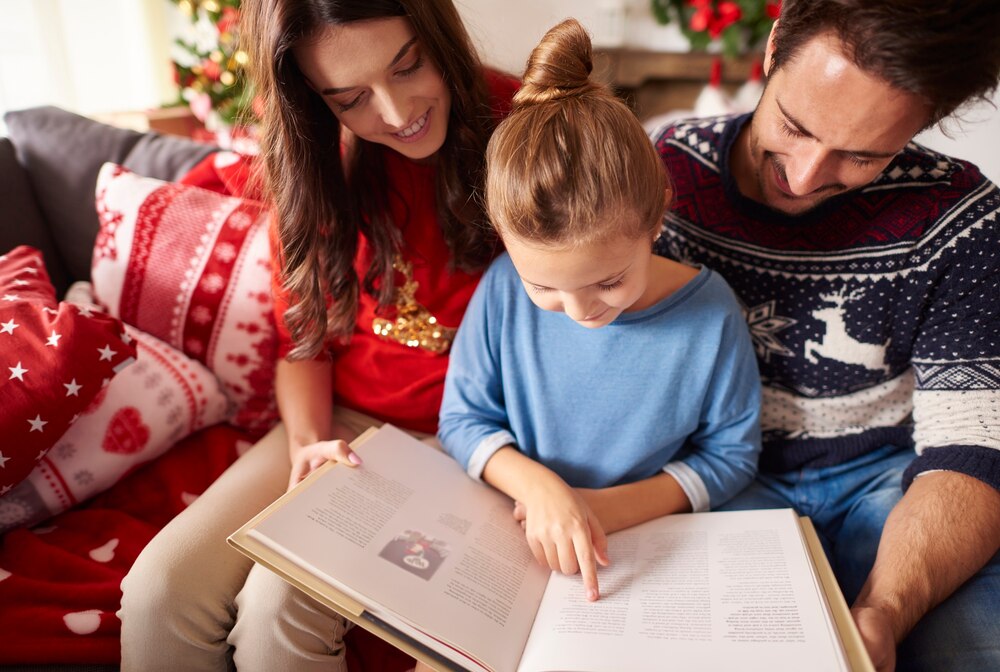
Creating a storybook for preschoolers is one of the most joyful and rewarding projects a parent or educator can take on. At this age, usually between 3 and 5 years old, children are rapidly building their language, imagination, and emotional understanding. They learn through play, rhythm, pictures, and repetition, and a well-made story feeds all of those needs at once. A thoughtful storybook can nurture early literacy, help children make sense of big feelings, and give them a safe way to explore the world. If you have ever wanted to write a story for a child, or even with one, this guide walks you through every step, from the first idea to a finished book you can print, share, or publish.
Why Storybooks Matter So Much for Preschoolers
Before you write a single word, it helps to understand why these early books carry so much weight. Between ages 3 and 5, a child’s brain is forming the foundations of vocabulary, listening skills, and empathy. Shared reading is one of the strongest predictors of later reading success, which is why picture books are far more than entertainment. When a preschooler hears a story read aloud, points at the pictures, and repeats a favorite line, several kinds of learning happen at the same time.
A good preschool storybook does at least one of these things well:
- Introduces new words in a way that feels natural and fun
- Models emotions and simple social skills like sharing or saying sorry
- Gives children a predictable pattern they can anticipate and join in with
- Connects pictures to words so early readers begin to link the two
- Creates a warm bonding moment between the child and the adult reading
Keep these goals in mind as you plan. Every choice you make about theme, character, and language should serve the small reader on your lap.
Essential Steps for Writing a Preschool Storybook That Connects
Know Your Audience
Preschoolers are bright, curious, and wonderfully expressive, but they also have short attention spans and are still mastering basic language. That means your story should be clear, warm, and easy to follow. Spend a few minutes thinking about the specific children you are writing for, and if they are a little older, the same care carries over when you write a storybook for kindergarteners.
Ask yourself:
- What topics genuinely interest them right now?
- What milestones or challenges are they facing at this age?
- Which stories do they ask to hear again and again?
Themes such as starting school, making a new friend, sharing toys, bedtime worries, and exploring nature almost always land well. And never underestimate humor. Silly situations, funny characters, and exaggerated feelings keep young listeners fully engaged.
Choose a Simple and Meaningful Theme
Preschool storybooks do not need complicated plots. In fact, they work best when they revolve around one clear central idea. Pick a theme that is easy to grasp and offers a gentle life lesson without feeling like a lecture.
A few themes that reliably resonate include:
- Learning to share
- Facing a small fear
- Celebrating differences and diversity
- Showing kindness to others
- Everyday routines like bedtime, mealtime, or a trip to the park
Your theme does not need to hit readers over the head. Let it unfold naturally through your character’s choices and small victories, and the lesson will sink in on its own.
Craft a Relatable Main Character
Children love characters they can see themselves in or imagine as friends. Animals, favorite toys, and gentle imaginary creatures all work beautifully because they can carry big emotions while staying approachable. Whoever your hero is, keep them simple and recognizable, and jotting their traits onto a simple character sheet helps you keep them consistent from page to page.
Tips for designing a memorable character:
- Give them a short, easy name a child can say and remember
- Show their feelings clearly through actions and faces
- Place them in situations preschoolers already understand
- Let them solve their problem in their own way, without an adult stepping in to fix it
Maybe your story stars a tiny bear who is afraid of shadows, or a turtle who hates waiting in line. That kind of small, honest struggle is exactly what a preschooler recognizes from daily life.
Structure Your Story with a Clear Beginning, Middle, and End
Young children need linear, uncomplicated storytelling. Introduce your character and setting right away, present one small problem, which is really just gentle conflict in a story scaled down for little listeners, and then deliver a satisfying resolution. A classic three-part shape works every time.
- Beginning: “Emma the elephant loves to paint, but one morning she runs out of colors.”
- Middle: “She tries mixing new colors and ends up with a giant, splashy mess.”
- End: “With an idea from a friend, Emma discovers how to make her favorite colors again.”
Stick to one story arc. Avoid piling on side plots or too many characters, because simplicity is your best friend here. One character, one problem, one clear resolution is the reliable formula behind most beloved picture books.
Keep the Language Simple and Rhythmic
Preschoolers are learning new words every single day, so your job is to make language fun, musical, and easy to follow. Use short sentences, strong action words, and plenty of repetition. Rhythm and rhyme boost both engagement and memory, and they turn reading aloud into something closer to a song.
Language techniques that work especially well:
- Repetition: “She looked in the closet. She looked under the bed. She looked behind the curtain.”
- Rhyme: “The dog with a hat sat down on a mat.”
- Alliteration: “Benny the bold bunny bounced past the bushes.”
Choose vivid, specific words rather than vague ones. Instead of “the pretty bird,” try “the bluebird.” Every word should earn its place, because in a short book each one carries real weight. Above all, read your draft out loud and make sure it sounds delightful, since storytime should be a pleasure for the grown-up too.
Mind the Word Count and Page Count
One of the most common questions new authors ask is how long a preschool storybook should be. Modern picture books for ages 2 to 5 usually land under 1,000 words, and many of the best sit around 500 words or fewer. Books written in rhyme are often shorter still, in the 200 to 400 word range, because the rhythm does a lot of the work.
Page count follows a simple industry rule. Most picture books are built in multiples of four, and 24 or 32 pages is the standard. Aim to tell your whole story within that space, with roughly one to three short sentences per page. If your draft runs long, look for scenes the illustrations could show instead of the text. Trusting the pictures to carry part of the story is a hallmark of skilled picture book writing.
Design Each Page with Care
Your layout guides young readers through the story and keeps them engaged. Limit text to one to three sentences per page, leave generous room for illustrations, and use large, clean, easy to read type.
Page layout tips:
- Match the text clearly to the image on the same spread
- Use page turns to build a little suspense before a reveal
- Keep one idea per page so nothing feels crowded
- Avoid visual clutter, because simple always wins with this age group
Bring the Story to Life with Illustrations
Preschoolers rely heavily on pictures to understand a story, and in many books the art carries half or more of the storytelling. Your illustrations should reflect the tone, action, and emotion of each scene. You do not need to be a trained artist, because simple, colorful, and expressive images work wonders. If drawing is not your strength, this is a natural place to bring in help.
Illustration tips:
- Use bold outlines and bright, cheerful colors
- Show clear facial expressions and body language
- Keep characters and settings visually consistent from page to page
- Add small details children love to spot, like a hidden mouse or changing weather
A useful test is to remove the words entirely. Even without text, a preschooler should be able to “read” your story just by looking at the pictures. Groups like the Society of Children’s Book Writers and Illustrators maintain illustrator galleries and resources that can help you find the right visual partner if you decide to collaborate.
Make the Story Interactive
The best storybooks for preschoolers invite participation. Build in phrases or patterns the child can chant, repeat, or predict, and sprinkle in simple questions or picture hunts. These moments turn a passive listener into an active reader.
Examples of interaction:
- “Can you find the butterfly hiding on this page?”
- “What do you think will happen next?”
- “Let’s say it together: zoom, zoom, zoom!”
Little touches like these help children feel part of the story and quietly build comprehension and confidence at the same time.
Test It Out and Revise
Read your story aloud to yourself first, then, if you can, to a real preschooler. Watch closely. Do they giggle, guess what comes next, ask questions, or drift away? Their reactions are the most honest feedback you will ever get.
Use what you learn to revise:
- Smooth out any sentences that trip your tongue
- Clarify moments that caused confusion
- Adjust the pacing if attention wandered
- Tweak illustrations for clearer emotion or action
Even a single read-aloud session will reveal what works and what needs another pass. Picture books look effortless precisely because their authors revise them many times.
Print, Publish, or Share Your Story
Once your story is polished, it is time to get it into little hands. Your goals will decide the path. For a family keepsake or classroom copy, you can print pages at home, laminate them, or bind them into a sturdy little book. If you dream of reaching a wider audience, self-publishing platforms make it easier than ever to sell a finished book online.
Popular routes include:
- Printing and binding copies at home for personal use
- Laminating pages for durable classroom reading
- Creating a digital version to read on tablets or projectors
- Recording an audio version for listening centers
- Uploading to a self-publishing service to sell print and digital copies
If you choose to publish, Amazon Kindle Direct Publishing offers free tools and clear guidance for formatting and printing children’s books, and services like IngramSpark or Lulu are worth comparing. For a deeper look at the craft itself, the team at Reedsy’s guide to writing a children’s book breaks the process down step by step. Remember, though, that you do not need a formal publisher to make a difference. A well-loved, handmade story can easily become a child’s favorite book.
Common Mistakes to Avoid
Even enthusiastic first-time authors tend to slip into a few predictable traps. Being aware of them early will save you time during revision.
- Too many words per page. Long paragraphs overwhelm young listeners. Trust the pictures and cut anything the art already shows.
- An adult solving the problem. Children connect most when the young hero figures things out on their own, so keep grown-up rescues to a minimum.
- A lesson that feels preachy. Let the message live inside the story rather than announcing it at the end.
- Too many characters. One or two clear figures are plenty for a preschool audience.
- Skipping the read-aloud test. A story can look great on the page and still stumble when spoken. Always hear it out loud.
Considering Professional Help
Many parents and educators love building storybooks entirely on their own, and that is wonderful. Still, there are moments when a little professional support goes a long way, especially if you plan to publish or share your book widely. An experienced children’s book writer can help make sure your language, tone, and message truly fit the preschool age group and read smoothly aloud.
Working with an illustrator who understands early childhood can also lift your visuals to another level. These artists know how to show emotion, build picture cues that aid comprehension, and hold a consistent style across every spread. If drawing is not your strength, professional book cover and illustration design can turn a simple manuscript into something a child will treasure.
If your goal is to print and distribute the finished book, formatting and layout specialists help you produce a clean, professional product ready for shelves or classrooms. A careful round of professional book editing can catch small issues you are too close to see, and full book publishing services can guide you from final draft to a book people can buy. Professional support does not replace your creative vision. It protects and strengthens it, so if you ever feel stuck or simply want your story to shine, it is perfectly fine to ask for a hand.
Frequently Asked Questions
Final Thoughts
Creating a storybook for preschoolers is far more than a fun craft project. It is a meaningful way to connect with a child, teach gentle lessons, and spark a lifelong love of reading. With simple language, colorful illustrations, a relatable character, and one clear story arc, your book can open the door to imagination and early learning. Whether you write a single story for the child in your life or dream of publishing a whole series, the joy of sharing stories with little minds is a reward all its own. Start with one small idea, read it aloud often, and let the magic grow from there.
