






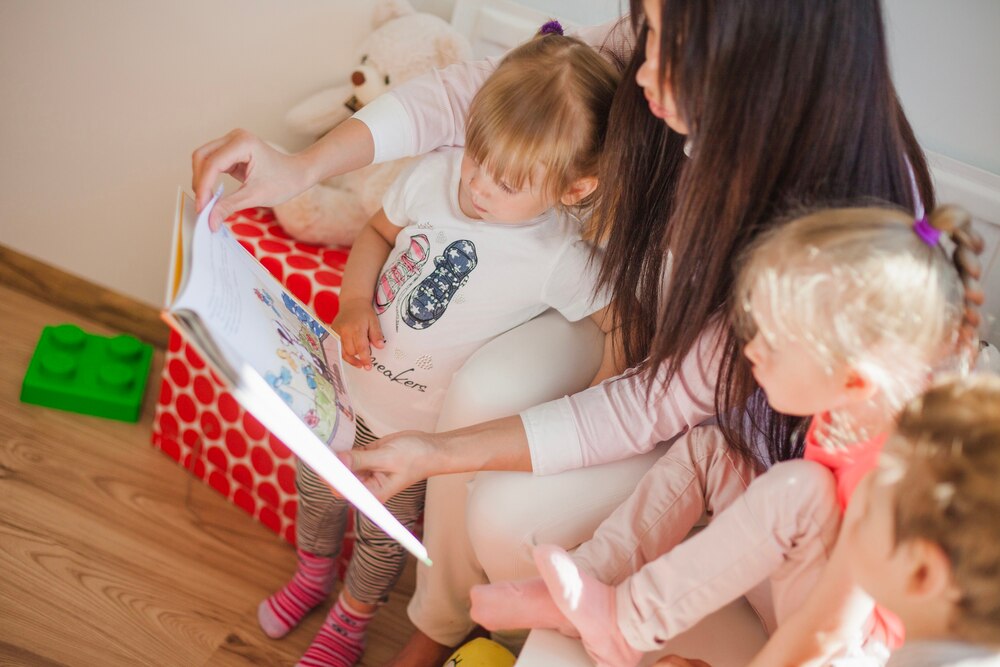
Creating a storybook for kindergarten children is one of the most rewarding projects a parent or teacher can take on. A well-made book sparks early literacy, feeds a child’s imagination, and plants the seeds of a lifelong love of reading. The good news is that you do not need to be a published author or a trained artist to do it well. What you need is a clear understanding of how young children learn, a simple and heartfelt story, and a little patience as you shape your idea into finished pages. This guide walks you through the entire process, from your first spark of an idea to a printed or digital book that a five year old will want to hear again and again.
Understanding the Kindergarten Reader
Before you write a single sentence, it helps to picture exactly who you are writing for. Kindergarten children are usually between four and six years old, only a step beyond the audience you would plan for when making a storybook for preschoolers. Most of them are emergent readers, which means they are still learning that letters make sounds and that words carry meaning. Many cannot read independently yet, so they lean heavily on illustrations, rhythm, and repetition to follow along while an adult reads aloud.
Attention spans at this age are short, so a story that wanders or piles on too many characters will lose them quickly. Children this age respond best to books that feel familiar and comforting, with clear pictures and language they can predict. Reading nonprofits such as Reading Rockets, which explains how children learn to read, note that repetition and strong picture support are what help emergent readers build confidence.
The most effective kindergarten storybooks tend to share a few traits:
- Large, clean, easy to read fonts
- Bright, colorful illustrations that carry as much of the story as the words do
- Repeated phrases, rhymes, or refrains children can chant along with
- Relatable themes such as friendship, family, animals, feelings, and everyday routines
- Gentle interactive moments that invite a child to point, count, or guess
Keep this reader in mind at every stage and your choices about plot, words, and art will fall into place much more naturally.
How Long Should a Kindergarten Storybook Be?
One of the first questions new authors ask is how much to write. For a traditional picture book aimed at ages three to eight, a manuscript of roughly 500 words is a comfortable target, and many strong kindergarten books come in well under that. The industry standard for a printed picture book is 32 pages, which usually leaves about 24 to 26 pages for the actual story once you account for the title page and other front matter.
On each page you want only one or two short sentences. If you are aiming for a true early reader that a child might sound out, keep the text even leaner, often between 30 and 150 words for the whole book. The lesson here is simple. Less text with more pictures almost always works better than dense paragraphs. When in doubt, cut a sentence and let the illustration do the talking.
Step by Step: How to Create a Storybook for Kindergarten
Step 1: Choose a Theme and a Simple Message
Every memorable storybook grows from one clear idea. Ask yourself what you want a child to feel or learn by the last page. A single, positive message is far more powerful than several competing ones. Popular kindergarten themes include:
- Friendship, sharing, and kindness
- Facing a small fear, such as the first day of school or the dark
- Exploring nature, seasons, and animals
- Family, belonging, and helping at home
- Early concepts like colors, shapes, counting, and opposites
Choose something warm and reassuring. A story about a shy bunny who makes a new friend teaches emotional lessons without ever feeling like a lecture, and that is exactly the tone young children respond to.
Step 2: Build a Clear Plot and Lovable Characters
Kindergarten stories work best with a straightforward shape: a beginning that introduces the character, a middle where a small problem appears, which is simply how you create conflict in a story at a gentle, age appropriate level, and an end where that problem is solved. Skip subplots and large casts. One or two main characters are plenty.
Characters are the heart of a picture book, so it helps to develop each one fully, and jotting down traits on a simple character sheet template keeps them consistent from page to page. Children form strong attachments to them and often remember them long after the plot fades. Animals, other children, and friendly imaginary creatures all work beautifully because they are easy to relate to. Make sure your character’s choices model the kind of behavior you want to encourage, such as asking for help, being patient, or telling the truth. A resource like Reedsy’s guide to writing a children’s book is a helpful reference for shaping character arcs that stay simple yet satisfying.
Step 3: Write Simple, Rhythmic Text
Now you write the words. Use short sentences and everyday vocabulary that a five year old already knows. Clarity matters far more than clever wording at this age. A few techniques make text sing for young readers:
- Repetition: Repeat a phrase or refrain so children can predict and join in, such as “Not yet, said the little turtle.”
- Rhythm and rhyme: A gentle beat makes a story fun to read aloud, though forced rhymes can feel clunky, so read every line out loud to test it.
- Dialogue: Short spoken lines make characters feel alive and keep the pace moving.
- Interactive prompts: Sprinkle in questions like “Can you find the red ball?” or “What do you think happens next?” to keep little hands and minds engaged.
Read your draft aloud several times. If a sentence trips your tongue, it will trip a parent reading at bedtime too, so smooth it out.
Step 4: Plan Your Illustrations
In a picture book, the art is not decoration. It is roughly half of the storytelling. Illustrations help children understand the plot, learn new words, and stay interested from page to page. As you plan, sketch a rough storyboard so you know which moment each page will show.
- Aim for bright, clear, uncluttered images with a consistent style.
- Give each page or two page spread one main illustration that matches the text on it.
- Show the characters’ faces and feelings clearly, since young readers read emotion in pictures before they read words.
If drawing is not your strength, that is completely fine. You can partner with an illustrator, use royalty free art, or build simple scenes with design tools. The point is that the pictures and words should always agree and support each other.
Step 5: Design a Clean, Readable Layout
A tidy layout helps a child follow the story without frustration. Keep these design habits in mind:
- Use a large font size, usually 18 point or bigger, in a friendly, rounded typeface.
- Leave generous white space so the page never feels crowded.
- Place text near the illustration it describes to reinforce meaning.
- Limit each page to one or two lines of type whenever you can.
Free and low cost programs such as Canva, Google Slides, or a dedicated book design app make it easy to arrange your pages even if you have never done layout work before.
Step 6: Make a Mock-Up and Test It With Real Children
Before you finalize anything, build a rough version of the whole book. Print the pages or compile a simple PDF and read it to children in your target age group. This step is where you learn the most. Watch closely for the moments when their attention drifts, when they laugh, or when they ask what is happening. Confusion usually points to a line that needs trimming or a picture that needs to be clearer. Feedback from parents, teachers, and early childhood educators is gold at this stage, so gather as much as you can.
Step 7: Revise, Proofread, and Add Finishing Touches
Fold in the feedback you collected, then proofread carefully for spelling, grammar, and consistency. Small errors are easy to miss in your own work, so read the text backward or ask a fresh pair of eyes to check it. Once the core book is solid, add the details that make it feel complete:
- A title page and, if you plan to share the book widely, basic copyright information.
- A short dedication or a note for grown ups with tips on how to use the book for learning.
- Page numbers to help everyone keep their place.
Step 8: Print and Publish Your Storybook
Finally, decide how your book will reach its readers. You can produce physical copies, a digital edition, or both.
- Print: A local print shop or a print on demand service can produce durable copies. For little hands, sturdy paper and a hardcover or spiral binding hold up best.
- Digital: Convert your book to PDF or ePub so families can read it on tablets and e-readers. Many free tools also let you add narration.
If you want your book available in stores or online marketplaces, look into self publishing platforms or work with a publisher that specializes in children’s titles. Reputable industry guides such as Amazon KDP’s help resources for publishing children’s books walk you through file requirements and formatting so your finished product looks professional.
When to Consider Professional Help
Making a storybook is deeply satisfying, and many parents and teachers complete one on their own. Still, if you want a polished, market ready book, professional support can lift the quality noticeably, especially if you plan to sell copies or use the book in a classroom for years to come.
- Writing: Experienced children’s book writing services can shape your idea to the right reading level and make sure every line is clear, fun, and age appropriate.
- Editing: A children’s editor offering professional book editing services can tighten pacing, catch errors, and confirm the language fits kindergarten readers.
- Illustration and cover: Skilled artists through book cover design services bring your characters to life with the bright, cohesive art young children love.
- Publishing: Full service book publishing services handle layout, formatting, ISBN registration, and distribution so your book reaches a wider audience.
Even a single round of professional editing or a set of custom illustrations can turn a good homemade book into one that looks and reads like a store bought title.
Frequently Asked Questions
Final Thoughts
Creating a storybook for kindergarten is a beautiful way to support early learning and to give a child a story that feels made just for them. When you understand your young reader, keep the plot simple, write with rhythm and repetition, and pair every page with clear and colorful art, you end up with a book that children will ask for again and again. Take your time, test your pages with real kids, and lean on professional support wherever it helps. With patience and care, your storybook can become a treasured tool that nurtures imagination and a genuine love of reading for years to come.
