





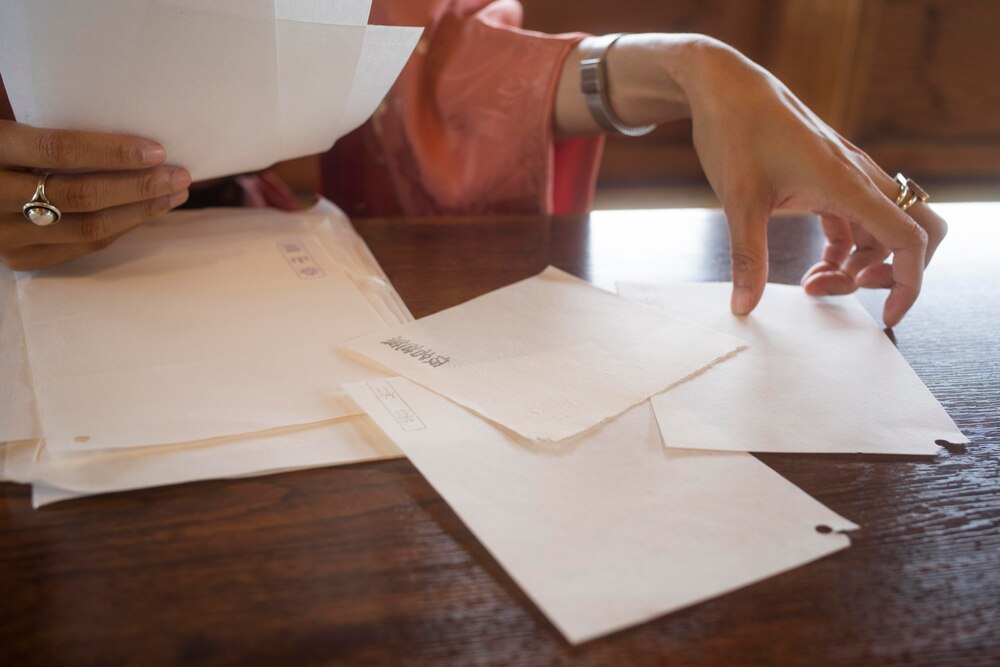
There is something quietly powerful about a letter. Unlike a polished memoir or a plotted novel, correspondence captures life as it was actually lived, unfiltered, immediate, and emotionally honest. Letters hold the tension of a moment before anyone knew how it would end. They preserve the rhythm of a friendship, the strain of a long separation, and the small confessions people rarely say out loud. In 2026, letter collections are enjoying a genuine revival, and readers are drawn to authentic voices, archival discoveries, family correspondence, and curated exchanges that reveal both personal and cultural truth.
If you are compiling family letters, editing historical correspondence, or shaping a modern exchange into a book, the hardest question is usually the same one: who will publish it? Much like essay collections seeking a publisher, letter collections sit in a specialized corner of nonfiction, and they demand careful editing, ethical sensitivity, legal clarity, and thoughtful framing. This guide walks through the kinds of letter collection publishers accepting submissions in 2026, how to find the right fit, and how to prepare a manuscript that editors take seriously.
What Counts as a Letter Collection
A letter collection is a work of nonfiction that gathers real letters written by one or more people, usually arranged around a theme, a relationship, or a period of time. This is different from an epistolary novel, which uses invented letters to tell a fictional story. As the overview of the genre on the literary tradition of letter collections explains, published correspondence has a long history, from the letters of ancient statesmen to the intimate wartime exchanges preserved by ordinary families.
Understanding where your project fits helps you target the right publisher. Broadly, letter collections fall into a few buckets:
- Family and legacy collections, such as generational letters, immigrant correspondence, or wartime letters passed down through a family.
- Historical and archival collections, which document a person, movement, or era and carry research value.
- Literary correspondence, meaning exchanges between writers, artists, and thinkers valued for their prose and ideas.
- Contemporary and emotional collections, including love letters, long-distance relationships, and personal growth told through modern messages.
Once you know which category describes your manuscript, the search for a publisher becomes far more focused.
Why Letter Collections Are Gaining Attention in 2026
In a culture of disappearing texts and endless short-form content, readers increasingly crave something lasting. Letter collections offer depth, permanence, and a human voice that algorithms cannot fake. They provide emotional authenticity, historical documentation, literary elegance, cultural insight, and personal storytelling in its rawest form.
Publishers have noticed. A well-curated collection can cross several shelves at once, reaching readers of memoir, history, biography, and even romance. When letters are organized with intention and framed with context, they stop being private paper and become living narratives that a wider audience wants to read. That commercial crossover is a big reason acquisition editors are more open to correspondence projects than they were a decade ago.
Letter Collection Publishers Accepting Submissions in 2026
There is no single directory labeled “letter collection publishers,” so the smart approach is to understand the categories of houses that actually acquire this work, then match your manuscript to the right type. Below are the realistic paths for getting a correspondence book published in 2026.
1. Western Reflections Publishing
Western Reflections Publishing is a strong starting point for authors sitting on powerful letters who need professional help turning them into a publishable manuscript. Rather than simply compiling pages, the team focuses on shaping correspondence into a coherent narrative. That editorial support typically includes organizing chronological or thematic sections, writing contextual introductions and annotations, tightening emotional flow, and guiding authors through formatting and permissions.
This kind of full-service development is especially valuable for first-time authors and families. If you have meaningful letters but are unsure how to structure them, the book publishing services and memoir writing team can help you move from a box of paper to a finished book, then prepare a proposal for wider submission.
2. University Presses
If your letters carry historical or scholarly value, university presses are among the most respected homes for the work. Presses attached to institutions such as Yale, Oxford, and the University of Chicago regularly publish annotated correspondence tied to notable figures, social movements, or specific periods. They expect rigorous editorial framing, verified sourcing, and clear documentation, and they are the natural fit for literary estates and researchers publishing previously unseen material.
3. Independent and Literary Presses
Small independent presses are often the most adventurous publishers of correspondence, and many of the same houses that seek out short story collections open to submissions are receptive to epistolary work as well. They take on experimental epistolary works, hybrid collections that blend letters with photographs or journal entries, and literary exchanges between writers and artists. Because these houses operate on defined reading periods, tracking their 2026 submission windows matters. A reliable way to find them is the Poets and Writers small presses database, which lets you filter by genre and submission policy.
4. Gift and Design-Focused Publishers
Some collections succeed because of how beautiful they are as objects. Publishers known for high-design, gift-worthy books, such as Chronicle Books, occasionally acquire thematic letter collections with a strong visual angle or a giftable hook. These houses often accept unagented submissions but expect a highly professional, well-designed proposal that shows the finished book will look as good as it reads.
5. Hybrid and Legacy Publishers
For family archives and legacy projects that may not fit a traditional list, hybrid publishers offer a middle path between self-publishing and a conventional contract. Authors keep more creative control while still receiving professional editing, design, and distribution. This route works well for estates, family historians, and individuals preserving a personal legacy who want a polished result without competing for a scarce traditional slot.
6. Literary Agents as a Gateway
For a correspondence book with strong commercial or historical appeal, a literary agent can open doors to major trade publishers that do not accept unagented submissions, though plenty of publishers still accept submissions without an agent if you would rather query directly. A sharp query letter and a clear sense of your audience are essential here. Agents evaluate letter collections much as they would any nonfiction proposal, weighing the strength of the material, the author platform, and the market.
How to Choose the Right Publisher for Your Letters
Matching your manuscript to the right house saves months of wasted queries. Before you submit anywhere, weigh a few factors:
- Fit. Does the publisher already release books in your category, whether that is family memoir, history, or literary correspondence?
- Editorial support. Do you need a developmental partner, or is your manuscript already polished and ready?
- Rights and control. How much creative say do you want over cover, structure, and interior design?
- Timeline. Traditional and university presses move slowly, while hybrid and independent presses can be faster.
If your letters still need shaping, working with professional book editing services before you submit can dramatically raise your acceptance odds, because editors respond far better to a manuscript that already reads cleanly.
How to Prepare Your Letter Collection for Submission
Preparation is where most letter collections are won or lost. Invest time in these steps before you send a single query.
Secure Permissions and Rights
This is the single most important legal step, and the one that delays the most projects. In general, copyright in a letter belongs to the person who wrote it, not the person who received it, so publishing correspondence from living individuals or recent estates usually requires written consent. Industry expert Jane Friedman offers a practical walkthrough and a sample permissions letter for authors that is a useful starting template. Clear these rights early and keep careful records.
Provide Context and Framing
Readers need help understanding who is writing, to whom, and why it matters. Section introductions, brief headnotes, and an editorial voice turn scattered letters into a story a stranger can follow. Framing is often the difference between a private keepsake and a publishable book.
Edit for Clarity While Protecting Voice
Authenticity is the point of a letter collection, so heavy rewriting is a mistake. Still, light editing for readability, along with careful transcription and consistent formatting, helps modern readers stay engaged without erasing the original voice. This is often work worth handing to experienced nonfiction writers who know how to preserve tone.
Organize With Purpose
Choose either a chronological arc or a thematic structure, then commit to it. A random pile of letters rarely sells. Editors look for a clear thread, whether that is a relationship developing over years or a single event seen from several sides.
Write an Author’s Note
Explain why this collection matters now. In 2026, publishers want relevance, not nostalgia alone. A short, honest note about why you assembled these letters gives the book its reason to exist.
Common Mistakes to Avoid
- Submitting without securing permission from letter writers or their estates.
- Over-editing the letters until the original voice disappears.
- Providing no context, so readers cannot follow the relationships.
- Pitching a collection with no clear theme or through line.
- Ignoring a publisher’s formatting and submission guidelines.
Letter collections thrive when emotional honesty meets professional structure. The projects that get published are almost always the ones that respect both.
Frequently Asked Questions
Turning Your Letters Into a Book
Letter collections in 2026 are not simply exercises in nostalgia. They represent memory, resilience, and human connection, and they let readers witness love, grief, conflict, and growth as it actually happened. The most successful projects pair raw emotion with editorial intelligence, and they arrive on an editor’s desk already organized, contextualized, and legally secure.
If you are holding a bundle of letters, whether tied with ribbon, tucked in a drawer, or saved in a digital folder, you may be holding more than paper. With the right structure, context, and publishing partner, your correspondence could become a lasting contribution to the shelf, and a story worth preserving for the next generation.
Disclaimer: Western Reflections Publishing shares publisher information for educational purposes only. We are not partnered with the outside publishers referenced here, and we do not guarantee anything related to submissions, acceptance, or publication. Our expertise lies in professional writing, editing, and book promotion services that help authors present their work effectively.
This guide is one part of Publishers Accepting Submissions in 2026, our full directory sorted by genre, format and country.
