






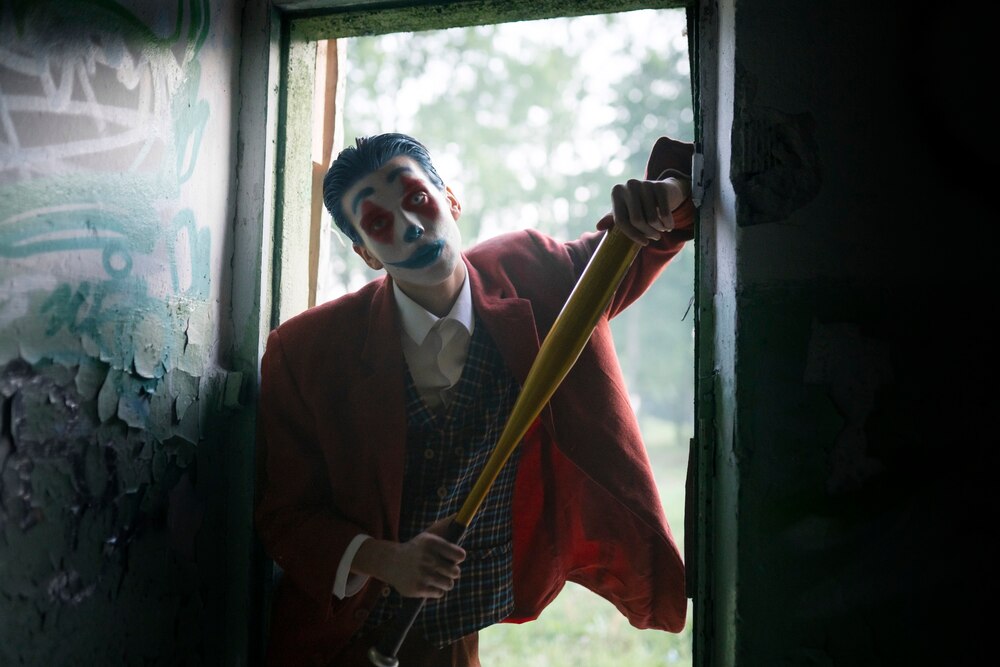
Learning how to write a scary story is one of the most rewarding challenges a writer can take on. Horror is not just about jump scares or buckets of blood. The best frightening fiction gets under your skin, lingers after the last page, and makes you check the locks before bed. To do that, you need atmosphere, tension, believable characters, and a deep understanding of what actually frightens people. This guide walks you through the craft step by step, from building dread to landing an ending that leaves readers rattled, so you can write a scary story that genuinely terrifies your audience.
What Makes a Story Truly Scary
A scary story is one that stirs anxiety, fear, and uncertainty in the reader. It is filled with characters, settings, and situations that exist to unsettle. Yet fear on the page is a delicate thing. If you push too hard, readers roll their eyes. If you hold back too much, they get bored. The horror genre lives in that narrow space between the two, where the mundane slowly curdles into the terrifying.
Great horror rarely relies on gore alone. Instead, it works through suggestion, mood, and the fear of what might be lurking just out of sight. Consider The Shining by Stephen King. It is not a parade of monsters at every turn. It builds a slow, moody atmosphere that seeps into the entire reading experience. The Overlook Hotel itself becomes the antagonist, driving a father toward violence while his family scrambles to survive. That kind of dread comes from careful construction, not cheap shocks. When you understand how to write a scary story that unnerves rather than merely startles, you have found the heart of the genre.
Know Your Horror Subgenres Before You Start
The horror category is home to many subgenres, and choosing the right one shapes every decision you make. Knowing where your story fits helps you set the right tone, pace, and payoff.
- Psychological horror: The threat lives inside a character’s mind. Paranoia, unreliable memory, and creeping madness do the frightening rather than any external creature.
- Supernatural and paranormal horror: Ghosts, hauntings, and restless spirits. The classic haunted house tale, which stays fresh when built on suspense and strong characters.
- Cosmic horror: Sometimes called Lovecraftian horror, this subgenre features forces beyond human comprehension. The terror comes from insignificance and the unknowable, so keeping the antagonist mysterious is essential.
- Existential horror: The dread of everyday life and the hopelessness people feel when trapped in a situation with no clear escape.
- Slasher and body horror: More visceral and physical, these lean on immediate danger and the fear of harm to the body.
- Gothic horror: Decaying mansions, family secrets, and a heavy, brooding mood that saturates every scene.
Each of these engages the reader differently. Cosmic and existential horror work on the imagination and leave the reader deeply uneasy, while slasher horror delivers a faster, more immediate thrill. Pick the flavor that fits the fear you want to explore, and let it guide your choices throughout the draft.
4 Essential Tips to Write a Terrifying Scary Story
With the foundations in place, here are four core techniques that separate a forgettable spooky tale from one that keeps readers awake at night.
1. Choose a Setting That Breeds Unease
You need a concrete, vivid idea of where your story unfolds, because setting is the stage on which fear performs. A creepy setting sets the tone and gives the reader an instant sense of dread. Think of an isolated cabin, a fog-choked forest, an abandoned hospital, or an ordinary suburban home where something feels quietly wrong.
The location does not always have to be obviously spooky. Some of the most effective horror takes place in familiar, comfortable spaces that slowly turn hostile. A child’s bedroom, a family kitchen, or a quiet office building can become terrifying when small details drift out of place. Use sensory language to bring the setting alive: the smell of damp rot, the groan of settling wood, a chill that has no source. When your reader can feel the space around your characters, the isolation and vulnerability land far harder.
If you plan to blend elements from several subgenres, be aware that it is harder to pull off, but a fresh combination can feel genuinely original. Nail the setting first, then build the characters and plot on that foundation. Many authors who want a professionally crafted foundation turn to expert novel writing services to shape a fictional world that feels immersive and unsettling from the very first page.
2. Master Atmosphere and Mood
A dark, consistent atmosphere is the engine of any scary story. Atmosphere is the emotional tone that lives on the page, conveyed through your descriptions, your word choices, and the moods of your characters. It is the difference between a reader who feels vaguely interested and one who is bracing themselves for the next paragraph.
To build atmosphere, layer it slowly. Choose words with weight and shadow. Let silence do work that noise cannot. Describe what your characters sense rather than simply stating that they are afraid. A door that was closed is now open. A reflection that moves a half second too late. Footsteps that stop the moment your character stops walking. These small, precise details accumulate into a mood of quiet dread that keeps readers on edge from beginning to end. Resist the urge to explain everything, because the imagination of your reader is far scarier than anything you can spell out. For a deeper look at mood and craft, the horror writing guide from Reedsy’s professional editors breaks down how tone shapes the entire reading experience.
3. Build Tension Through the Main Body
The central conflict should always be building toward something worse. Suspense is created in escalating steps, starting small and growing over time. Unlike a sudden surprise, suspense means the reader senses that something is coming and quietly hopes it will not arrive. That anticipation is what keeps pages turning.
Withhold information on purpose. Reveal just enough to activate the darkest corners of your reader’s imagination, then hold the rest back. Use foreshadowing to plant hints and clues that make a later reveal even more chilling. Raise the stakes so the reader knows exactly what your character stands to lose, whether that is their life, their sanity, or someone they love. The more your audience cares, the faster their heart beats when danger closes in.
Pacing matters here too. Give readers brief moments of relief between the frights, because tension needs contrast to hit hard. A quiet scene, a small joke, or a false sense of safety makes the next scare land with real force. Horror readers seek that thrill, so ramp up the pressure steadily and let the dread deepen as the story progresses. Once your draft is complete, a professional round of developmental editing can help you sharpen pacing and make sure every scene tightens the screws rather than releasing them too soon.
4. Craft an Ending That Lingers
The ending is where a scary story either earns its fear or squanders it. Horror fans crave a conclusion that shocks, unsettles, or leaves a question hanging in the dark. Whether you close with a final twist, an ambiguous last image, or a grim confirmation of the reader’s worst suspicions, the ending should honor the dread you spent the whole story building.
A story can end on a note of survival or even hope, but to maximize the horror, keep the darkness present right up to the final line. Some of the most memorable endings suggest that the threat is not truly gone, that the cycle will begin again, or that the character escaped in body but not in mind. Whatever you choose, avoid tying everything into a neat, comforting bow. A little lingering unease is exactly what sends readers back to check the locks.
Create Characters Readers Will Fear For
You cannot terrify a reader who does not care about the person at the center of your story. Fear only works when the audience is invested, so your characters need names, backstories, personalities, and clear motivations. Give them flaws and desires. Maybe they long to be loved, to escape a painful past, or to find redemption. The more fully realized they are, the more your readers will hold their breath when danger draws near.
Haunted characters, quite literally or figuratively, tend to resonate. Let their internal fears and anxieties drive the story as much as the external threat does. When a character’s private dread mirrors the horror unfolding around them, the effect is doubly powerful. Strong characterization is the quiet foundation beneath every genuinely scary story, which is why writers often invest as much time in their people as they do in their monsters. If you want an outside perspective on how well your characters land, the study resources on the Kennedy Center’s guide to scary story structure offer a useful framework for building fear that feels earned.
Tap Into Universal Fears
The most effective horror reaches into fears that nearly everyone shares. The dark, confined spaces, being watched, losing control, the death of a loved one, and the fear of the unknown all cut across cultures and generations. When you tap into these primal anxieties, your story resonates with a broad audience rather than a narrow slice of it.
A helpful trick is to pick a subject that genuinely scares you. The more emotional truth you pour into your prose, the more your readers will feel it with you. Personal fear is contagious on the page. If a scene unsettles you as you write it, there is a good chance it will unsettle your reader too. That honest connection to fear is often what separates hollow horror from the kind that stays with people for years. For a broader look at craft and technique, the writing lessons collected by MasterClass on writing horror fiction reinforce how emotional authenticity fuels genuine terror.
Hook Readers From the First Line
The opening few paragraphs decide whether a reader keeps going. Start with an unsettling image, an intriguing character, or a small detail that feels quietly wrong, because you need to hook your audience before the real horror begins. You do not have to open with a scream. Often it is more effective to establish a normal, believable world and then introduce the first crack in it, the moment when something ordinary reveals a sliver of dread.
That contrast between the familiar and the frightening is one of horror’s oldest and most reliable tools. Ground your reader in a world they recognize, make them comfortable, and then slowly pull that comfort away. By the time they realize something is deeply wrong, they are already too invested to look away.
Revise, Refine, and Prepare to Publish
A first draft is never the finished product, especially in horror, where timing and word choice are everything. Read your story aloud to catch clunky sentences and moments where tension sags. Trim any explanation that dulls the mystery. Sharpen the sensory details that carry the fear. Small revisions often make the difference between a story that mildly spooks and one that truly terrifies.
When your manuscript is polished, professional support can take it the rest of the way. Careful professional book editing ensures your prose is clean and your scares land as intended, while a full suite of book publishing services can help you bring your finished horror story to readers everywhere. A frightening tale deserves a professional presentation, so give your work the polish it needs before it meets its audience.
Frequently Asked Questions
Conclusion
Writing a horror story is a genuinely enjoyable challenge, and reading a well crafted one is even better. Now that you understand how to write a scary story, you have the tools to build a chilling setting, sustain a dark atmosphere, develop characters readers fear for, and land an ending that lingers long after the final page. Tap into universal fears, control your pacing, and never underestimate the power of the unknown. With these techniques in hand, you are ready to craft your next horror masterpiece and terrify your readers from the very first line to the last.
