






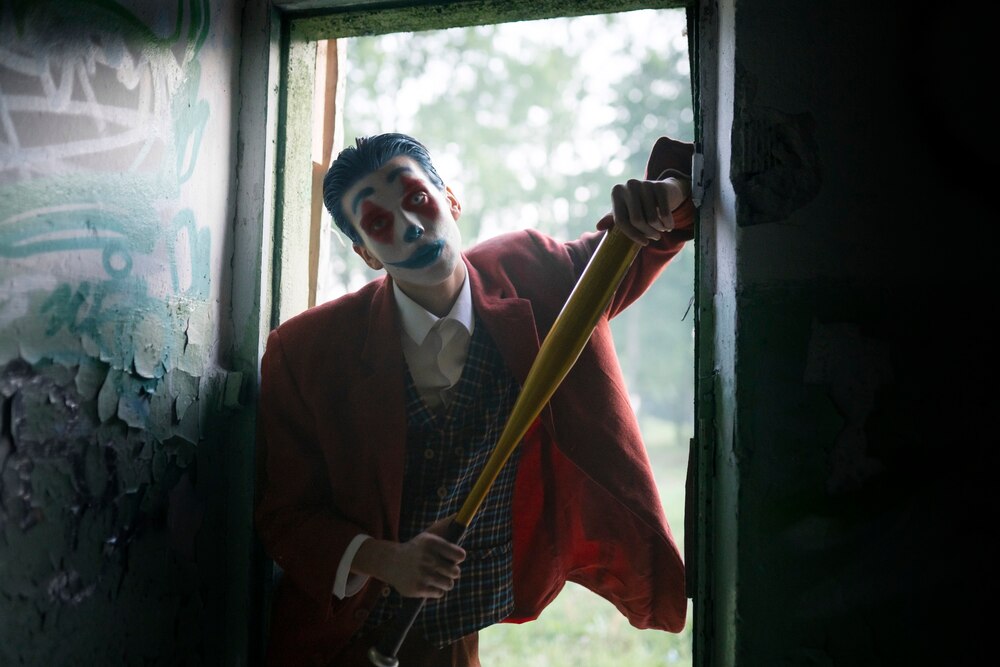
Every story you remember lives on a single tension: someone wants something, and something stands in the way. That push and pull is built from two forces, the protagonist, the character we follow, and the antagonist, the person, force, or idea that blocks their path. Whether the opposition is a rival, a society, a storm, or the protagonist’s own fear, this relationship creates the conflict that makes readers turn the page.
In this guide you will learn what separates a strong protagonist from a memorable antagonist, read a complete original short story that shows both roles in action, and then break the story down scene by scene. You will also find famous examples from published fiction, practical tips for writing your own, and answers to the questions writers ask most. By the end, you will understand not just what these characters are, but how to build them so your own short story lingers with readers.
What Is a Protagonist?
The protagonist is the central character whose choices drive the plot forward. Readers experience the story through this character’s goals, setbacks, and growth, which is why the protagonist is often called the hero, though heroism is optional. What matters is that we are emotionally invested in whether they succeed. A strong protagonist usually shares a few core traits:
- A clear, specific desire or objective that gives the story direction
- Meaningful obstacles that make the goal hard to reach
- Believable flaws that make the character feel human
- Change or growth by the story’s end, known as a character arc
- Something at stake that makes the outcome matter
A protagonist does not have to be likable, but they do need to be compelling. Readers will follow a selfish, stubborn, or deeply flawed lead as long as that character wants something badly enough to fight for it.
What Is an Antagonist?
The antagonist opposes the protagonist’s goal and generates the friction that becomes the plot. A common misconception is that the antagonist must be a villain. In reality, the antagonist is simply the source of opposition, and the most memorable ones believe they are right. A strong antagonist:
- Directly challenges the protagonist’s goal
- Has a clear motivation of their own, not just cruelty for its own sake
- Feels capable enough to make victory uncertain
- Forces the protagonist to change, adapt, or grow
The strongest conflict often comes when the protagonist and antagonist want things that cannot both come true. If one wins, the other must lose. That mutual exclusivity, explained well in this complete guide to protagonist versus antagonist from Jericho Writers, is what keeps tension high from the first page to the last. According to MasterClass on protagonist and antagonist characters, the antagonist exists to create obstacles that test the protagonist and reveal who they truly are.
Protagonist vs Antagonist: Key Differences
Before the story, it helps to see the two roles side by side. The distinction is less about good versus evil and more about direction of purpose. One character pushes toward the goal, the other pushes back.
- Role in the story: The protagonist is the central figure readers follow, while the antagonist stands in opposition.
- Main goal: The protagonist works to achieve something meaningful, while the antagonist tries to prevent or complicate it.
- Reader connection: The protagonist is usually sympathetic, while the antagonist may or may not earn sympathy.
- Character arc: The protagonist often grows or transforms, while the antagonist may stay fixed or evolve in their own way.
- Story impact: The protagonist drives the narrative forward, while the antagonist creates the tension that shapes it.
The Types of Antagonists Every Writer Should Know
An antagonist is not always a person. Understanding the different forms opposition can take will help you choose the right conflict for your short story. The main categories, often taught as types of conflict, include the following:
Character vs Character
The most familiar form, where a rival, villain, or opponent directly blocks the protagonist. Think of Rainsford and General Zaroff in “The Most Dangerous Game,” where one man wants to survive and the other wants to hunt him. Their goals cannot coexist, so every scene crackles with danger.
Character vs Nature
Here the opposition is a storm, an illness, the wilderness, or the sea. Ernest Hemingway’s “The Old Man and the Sea” pits a fisherman against the ocean and a giant marlin. There is no villain to hate, only a relentless natural force that tests endurance and will.
Character vs Society
The antagonist is a system, a government, or a set of cultural expectations. George Orwell’s world in “1984” opposes the individual through surveillance and control. The protagonist fights not one person but an entire structure built to keep them small.
Character vs Self
Sometimes the greatest obstacle lives inside the protagonist. Fear, guilt, addiction, or self-doubt can all serve as the antagonist. Holden Caulfield in “The Catcher in the Rye” struggles most against his own grief and insecurity. This internal conflict can run alongside an external one to deepen the story.
Many strong short stories layer two or more of these together. For a deeper look at how these roles function across genres, the guide to character types on Reedsy is a useful reference.
Example of a Short Story With Protagonist and Antagonist
The following original short story, “The Last Lantern,” shows a clear protagonist, a believable antagonist, and escalating conflict in only a few hundred words. Read it first, then use the breakdown that follows to see how each element works.
The Last Lantern
The wind howled through the narrow streets of Blackridge Village. Most homes were dark by sunset, but one window still glowed faintly. Inside that house lived Elena Marrow, the town’s youngest lantern maker. Elena believed light could keep fear away. Unfortunately, someone else believed fear was power.
Elena had inherited her father’s workshop after he passed away. The shelves were lined with unfinished lanterns, delicate glass shells waiting to shine. Her goal was simple yet meaningful. She wanted to restore the annual Festival of Lights, a tradition the village had abandoned after years of mysterious disappearances.
The villagers were afraid, and fear had a name. Marcus Vane. Marcus owned half the properties in Blackridge. He controlled the market, the supplies, and most importantly, the rumors. He claimed the festival attracted darkness, and he convinced the villagers that staying in shadows kept them safe. Elena disagreed. She believed the darkness grew because no one dared to fight it.
Elena announced her plan at the village square. “I will relight the Festival of Lights,” she declared. “Every home will carry a lantern again.” The crowd murmured. Marcus stepped forward, dressed in his usual black coat. His voice was calm, but sharp. “Hope is dangerous, Elena,” he said. “People get hurt chasing it.”
The tension was immediate. Marcus was not just disagreeing, he was threatening her vision. The next morning, Elena found her supply shipment canceled. The glassmaker refused to sell to her. The oil merchant raised prices beyond reason. Marcus had spoken. But Elena refused to surrender. She began collecting broken bottles, melting scraps of glass, and working twice as hard. Every setback only strengthened her resolve.
As the festival approached, whispers spread through the village. One evening, Elena discovered her workshop vandalized. Lanterns shattered. Tools missing. A single note lay on her workbench: “Let the dark stay dark.” For the first time, fear crept into her heart. Marcus was no longer just blocking her resources, he was attacking her confidence.
But protagonists grow through resistance. Instead of giving up, Elena invited the children of the village into her workshop. She taught them how to shape glass safely and how to refill oil lamps. Light became community, and Marcus had underestimated her.
On the night of the festival, Marcus expected silence. Instead, one lantern glowed in the distance. Then another, and another. Elena stood at the center of the square, holding the last lantern, her father’s masterpiece. It shimmered with blue and gold glass fragments, imperfect yet radiant. Marcus approached, frustration barely concealed. “You think this changes anything?” he demanded. Elena met his gaze. “It already has.”
Behind her, villagers gathered with lanterns raised high. The square that had once been swallowed by shadow now shimmered like a sky full of stars. Marcus thrived on fear, and without it, he had no control. His power crumbled not through violence, but through unity. He left the square without another word.
The festival did not summon darkness. Instead, it revealed something else, that the villagers had been afraid of each other’s fear. Elena’s victory was not about defeating a man. It was about restoring belief. The Festival of Lights became an annual tradition once more, and in every lantern’s glow, the people remembered that courage can outshine manipulation.
Story Breakdown: How the Roles Work
Now that you have read the story, look at how each character was built and how the scenes fit together, the same structural thinking behind the story structure of a short film. This is the part most writers skip, yet it is where craft actually lives.
Protagonist: Elena Marrow
- Clear goal: Restore the Festival of Lights
- Emotional motivation: Honor her late father’s legacy
- Growth: Moves from isolated dreamer to community leader
- Traits: Resilient, hopeful, resourceful, quietly stubborn
Elena embodies positive transformation. Her strength is not physical dominance but emotional courage, which is exactly why readers root for her.
Antagonist: Marcus Vane
- Goal: Maintain control over the village
- Motivation: Power and influence, protected by fear
- Strategy: Social pressure, sabotage, and intimidation
- Weakness: His entire authority depends on other people staying afraid
Marcus is not a cartoon villain. He believes control keeps the village safe, which makes him convincing. His weakness is baked into his method, so when fear disappears, so does he.
Layered Conflict
The story works because the conflict operates on three levels at once. There is external conflict between Elena and Marcus, social conflict between Elena and the fearful villagers, and internal conflict between Elena and her own creeping doubt. Stacking these layers is what turns a simple plot into an emotional experience, and it is the backbone of any gripping dramatic short story.
How to Write Your Own Protagonist and Antagonist
You do not need hundreds of pages to create memorable characters. You need clarity and opposition. Keep these principles in mind as you draft:
- Give your protagonist a specific goal. Vague wants create vague stories. “Elena wants to relight the festival” is sharper than “Elena wants to be brave.”
- Give your antagonist a real reason. The best opposition believes it is justified. Motivation makes a villain feel human instead of convenient.
- Make the goals collide. If both characters can win, there is no story. Design opposing desires that cannot both come true.
- Escalate the stakes. Start with small obstacles and build toward a moment where the protagonist could truly lose everything.
- Let struggle create change. Growth should come from the conflict itself, not from a lucky break.
For writers developing longer fiction, professional novel writing services can help shape a strong central conflict from the very first draft, so your protagonist and antagonist stay in balance across an entire book.
From Draft to Finished Story: Editing, Publishing, and Marketing
Writing the story is only the first stage. Turning it into a polished piece that reaches readers takes three more steps.
Editing
Editing sharpens clarity, pacing, and emotional impact. For a story like “The Last Lantern,” an editor would tighten dialogue, strengthen imagery, and make sure every character motivation stays consistent. Structural work is handled by developmental editing services, while sentence-level polish and grammar are refined through professional book editing services. Even a powerful protagonist and antagonist dynamic can fall flat without this stage.
Publishing
Once the story is clean, it is ready to reach an audience. Writers can pursue literary magazines, anthologies, self publishing platforms, or traditional houses, and it helps to know which short story publishers are accepting submissions before you send your work out. Each path shapes format, reach, and presentation. Guidance from book publishing services helps you match the right story to the right market, whether that is a themed collection about hope, courage, or resilience.
Marketing
Even brilliant fiction needs visibility. For short stories, marketing often leans on emotional hooks such as memorable quotes, striking themes, and reader relatability. Social snippets, newsletters, author websites, and reading events all help a story find its audience. In short, editing refines the story, publishing releases it, and marketing connects it to the world.
Frequently Asked Questions
Final Thoughts
A compelling short story does not need hundreds of pages. It needs emotional clarity, purposeful conflict, and characters who genuinely want opposing things. The protagonist pushes forward, the antagonist pushes back, and the story unfolds in the space between them.
As you write your own fiction, give your protagonist a goal worth chasing, give your antagonist a reason worth believing, and let the collision between them change someone by the end. Do that, and you will not just write a short story. You will write one that readers remember long after the final page.
