






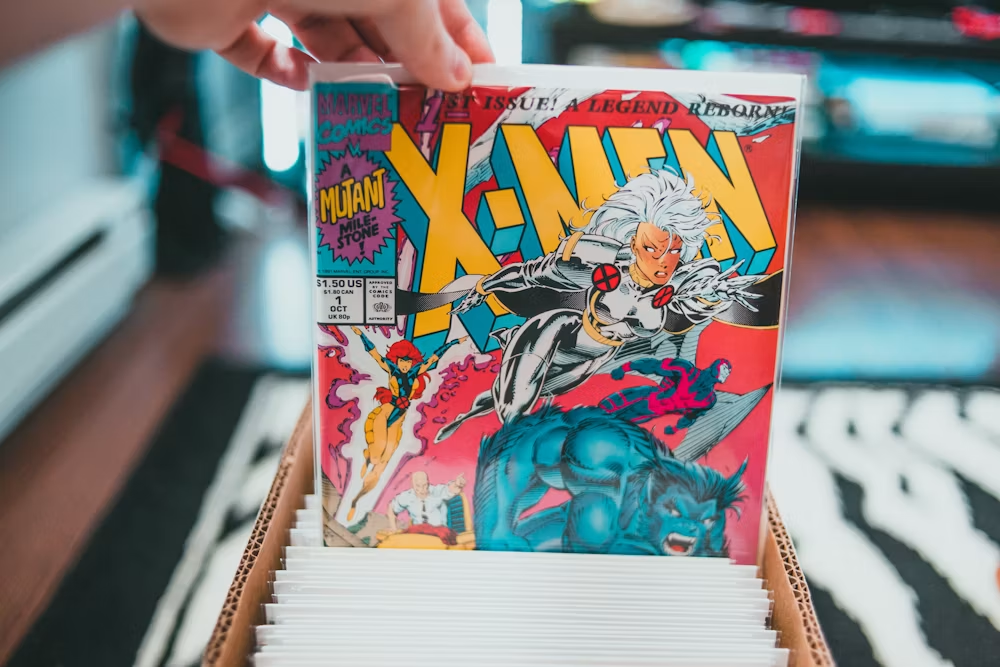
The superhero comic genre is not saturated, it is evolving. In 2026, publishers are actively hunting for fresh voices who can reinvent familiar heroes, build morally complex worlds, and speak to modern readers. From scrappy indie presses to hybrid publishing studios, the routes into print have widened far beyond the old gatekeepers, and that is good news for anyone sitting on a strong idea.
If you have been developing a superhero concept, whether it is a street level vigilante, a cosmic team saga, or a genre bending antihero, this guide covers the superhero comic publishers accepting submissions in 2026, what each one looks for, and how to approach them strategically so your pitch does not get lost in the slush pile.
Why 2026 Is a Strong Year for Superhero Submissions
Superhero storytelling has entered a genuine creative renaissance. Readers want layered characters, real emotional stakes, inclusive worlds, and art styles that take risks. Publishers have responded by opening their doors wider to original superhero pitches, especially projects that:
- Subvert the traditional hero and villain formula
- Put character psychology and consequences ahead of spectacle
- Blend superheroes with horror, science fiction, noir, or fantasy
- Reflect diverse cultural perspectives and lived experience
- Translate cleanly into episodic, cinematic, or transmedia formats
Just as important, many houses now welcome creator owned superhero projects, which means you keep significant rights while still benefiting from professional production, distribution, and marketing muscle. That balance of ownership and support is exactly what makes this moment so appealing for independent creators.
Western Reflections Publishing
Story Driven Superhero Publishing With Creative Support
Western Reflections Publishing stands out in 2026 as a creative partner for superhero comic creators who want more than a submissions inbox. Built around a collaborative publishing model, the company works closely with writers, artists, and world builders to shape superhero comics that are both commercially viable and narratively rich.
What makes it especially appealing is the hands on editorial and manuscript editing support. Creators arriving with raw ideas, whether fully scripted or still at the concept stage, can refine their stories into polished comic scripts through developmental editing that strengthens structure before a single panel is drawn. The team supports superhero projects across the tonal spectrum, from classic hero journeys to dark, mature, and experimental work.
What makes it unique
- A strong focus on character arcs and consistent world building
- Support for both first time and experienced creators
- Flexibility across superhero subgenres and tones
- Emphasis on long term series potential, not just a single issue
Western Reflections Publishing suits creators who want professional guidance while keeping their creative identity intact.
Image Comics
The Home of Creator Owned Superheroes
Image Comics remains the most respected destination for superhero creators who want ownership and full creative control. While it is famous for landmark titles, Image continues to welcome original superhero submissions that bring something genuinely new to the genre. Crucially, Image does not pair writers with artists, so you need a complete creative team before you pitch.
Image tends to favor:
- Fully developed pitches with roughly five pages of finished, lettered art
- A distinct visual identity that reads instantly on the page
- A clear roadmap for where the series is heading
- Strong creator commitment and a track record of finishing work
Superhero stories that deconstruct power, politics, or identity often resonate here, especially when they are paired with confident, high quality art. You can review the current requirements on the official Image Comics submissions page before you send anything.
Dark Horse Comics
Superheroes With Depth and Genre Fusion
Dark Horse has long embraced unconventional superheroes. In 2026 it remains open to submissions that fold superhero elements into horror, science fiction, folklore, or literary storytelling. This is the publisher for a hero who would feel at home in a haunted city or a crumbling empire.
Dark Horse often looks for:
- Standalone superhero miniseries with a clear shape
- Character driven narratives over pure action
- Cinematic pacing that pulls a reader through the issue
- Mature themes handled with real craft
Creators who enjoy pushing genre boundaries will find Dark Horse a natural fit.
BOOM! Studios
Modern Superheroes for Contemporary Audiences
BOOM! Studios has built a reputation for fresh, inclusive superhero storytelling. Its editorial direction favors emotionally resonant heroes, sharp dialogue, and stories that connect with younger and more diverse readers than the legacy publishers typically reach.
The studio is particularly receptive to:
- Limited superhero series with a defined arc
- Reimagined hero archetypes and updated origins
- Strong thematic hooks that can be summarized in a sentence
- Visually dynamic storytelling
BOOM! values clarity and originality, which makes it a strong platform for emerging creators who know exactly what their book is about.
IDW Publishing
Superheroes With Franchise and World Building Potential
IDW is best known for licensed properties, but it also supports original superhero concepts, especially those with crossover, universe building, or transmedia potential. If your hero is the first domino in a much larger story world, IDW may listen.
Ideal superhero submissions here often include:
- Expansive story worlds with room to grow
- Team based dynamics and ensemble casts
- A long term storytelling vision beyond the first arc
- Clear genre positioning so editors know where it sits
Creators who think past a single issue and imagine a broader universe tend to align well with IDW’s interests.
AfterShock Comics
Bold, High Concept Superhero Stories
AfterShock has earned a name for bold storytelling and striking visuals. The house welcomes superhero comics that feel cinematic, high stakes, and emotionally grounded, the kind of book that reads like the pilot of a prestige series.
AfterShock favors:
- High concept premises with an immediate hook
- Finite, well structured series with a real ending
- Strong emotional conflict at the core
- Unique power systems or genuine moral dilemmas
Its editorial team often backs creator owned projects that have a clear beginning, middle, and end.
Vault Comics
Indie Energy Meets Superhero Innovation
Vault Comics champions independent voices and unconventional storytelling. It is not exclusively a superhero house, but it is open to innovative superhero submissions that challenge the norms of the genre rather than repeat them.
Vault responds well to:
- Indie inspired superhero stories with a personal edge
- Genre mashups that feel intentional, not random
- Character first narratives
- Strong artistic experimentation
Vault is ideal for creators who want to push superhero comics into fresh creative territory.
Oni Press and Scout Comics
Character First and Creator Friendly
Two more houses round out a smart submission list. Oni Press gravitates toward character driven stories with emotional authenticity, where the superhero is a metaphor for a real world struggle rather than a walking special effect. It rewards intimate stories, clear emotional stakes, and a distinct authorial voice.
Scout Comics is known for accessibility and openness to new creators. In 2026 it continues to accept superhero submissions that are energetic, visually bold, and conceptually clear. Scout tends to favor short form series, strong elevator pitches, dynamic art, and market aware concepts, which makes it one of the friendliest landing spots for a first time comic creator.
What About Marvel and DC?
Many new creators assume the goal is a Marvel or DC contract, so it is worth being clear. Neither company accepts unsolicited story submissions. Marvel reviews artist portfolios and scouts talent from indie, self published, and webcomic communities, and it runs occasional portfolio reviews at conventions. You can read the current policy on the Marvel submission requests page. DC works the same way, spotting talent through portfolios, independent books, and industry events.
The practical path to the big two runs straight through the publishers listed above. Build a strong creator owned track record, meet editors at conventions, and let a finished, well reviewed book speak for you. Almost every working superhero writer and artist started somewhere smaller.
What Superhero Publishers Look for in 2026
Across the industry, editors share a handful of expectations when they evaluate a superhero submission:
A Clear Core Concept
Your idea should be easy to summarize in a sentence yet deep enough to sustain a series. If you cannot pitch it cleanly, an editor cannot sell it internally.
Character Over Powers
Publishers care far more about who your hero is than what they can do. A compelling flaw beats a flashy power set every time.
Visual Storytelling Awareness
Even writers must understand pacing, panel flow, and page turns. A comic script is a blueprint for images, not a novel with pictures attached.
Originality Without Confusion
New ideas are welcome, but clarity is essential. Surprising and legible can coexist, and the best pitches manage both.
Professional Presentation
Clean formatting, a concise summary, and a respectful tone matter more than hype. Confidence in the work reads louder than adjectives about it.
How to Prepare a Strong Superhero Submission
Before you send anything in 2026, make sure your package includes the pieces editors actually ask for. A tight submission signals that you are ready to work like a professional:
- A compelling one page series synopsis that leads with the hook
- Detailed character breakdowns for your lead and core cast
- A clear statement of tone, genre, and target audience
- Sample script pages or finished art, formatted to each publisher’s guidelines
- A brief creator bio that lists any relevant credits
Research each publisher before you hit send. Only a fraction of houses accept unsolicited work, and every one that does has its own guidelines. Following those guidelines to the letter is the single easiest way to show that you respect an editor’s time. For a broader view of the process from pitch to print, the Reedsy guide to publishing a comic book is a reliable starting point.
If scripting is where you feel least confident, professional script writing support can help you turn a strong idea into a submission ready comic script, and full book publishing services can carry a finished project through production and release.
Common Mistakes to Avoid
Plenty of promising superhero submissions get rejected for reasons that are entirely avoidable. Watch for these:
- Overpowered protagonists with no meaningful flaws or limits
- Concepts that read as thinly disguised versions of existing franchises
- Excessive lore dumping in the first few pages
- An unclear or contradictory target audience
- Poor pacing or a tone that lurches between scenes
- Ignoring a publisher’s stated submission format
Editors want confidence and control, not excess. A focused pitch that trusts its own story will always outperform one that tries to explain everything at once.
Final Thoughts: Your Superhero Story Belongs Somewhere
The superhero genre is still one of the most exciting creative spaces in comics. In 2026, publishers are actively seeking stories that feel personal, relevant, and bold. Whether you aim for a major name or a creator focused studio like Western Reflections Publishing, the constants are preparation, originality, and persistence.
Your hero does not need to save the universe. Sometimes saving one city, one family, or even one person is enough to make a powerful impact. If your story is honest, well crafted, and thoughtfully presented, there is a publisher ready to hear it.
Frequently Asked Questions (FAQs)
This guide is one part of Publishers Accepting Submissions in 2026, our full directory sorted by genre, format and country.
