






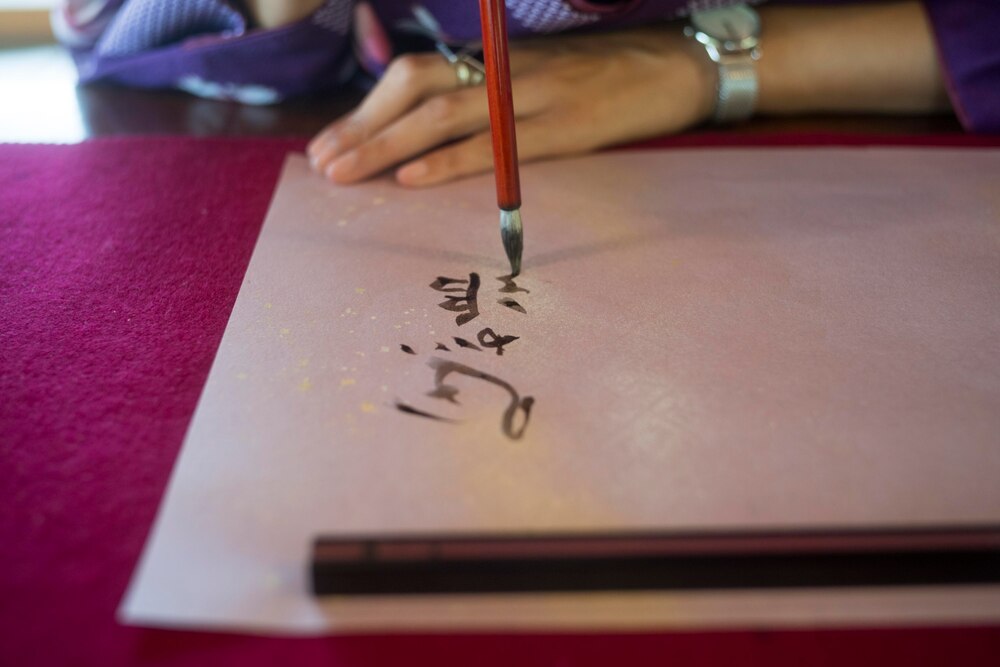
In the vast world of poetry, where long verses and elaborate language often take center stage, haiku stands out as a form that celebrates restraint. It is minimal, precise, and yet capable of carrying profound meaning within just a handful of words. A haiku does not try to impress with complexity. Instead, it quietly invites the reader into a single moment. That moment might be as ordinary as a falling leaf, a drop of rain, or the stillness of an early morning, yet it holds an emotional depth that lingers long after the last line is read. What makes this poetic form so remarkable is its ability to turn everyday experiences into something memorable and resonant. In only three lines, a strong example of haiku captures not just what is seen but also what is felt, building a bridge between the outer world and the reader’s inner thoughts.
Haiku is usually defined by its traditional 5-7-5 syllable structure, but its true essence goes far beyond counting. It is about awareness, close observation, and the art of saying more with less. That simplicity is not a limitation but a strength, because it forces the poet to choose each word carefully and with intention. In a time when communication is often rushed and crowded with information, haiku offers a refreshing pause. It reminds us that some of the most powerful expressions are also the simplest. This guide walks through the history, the structure, the imagery, and the craft behind the form, with plenty of examples along the way so you can see exactly how a great haiku works.
The Origins and Evolution of Haiku
The roots of haiku reach back to Japan, where it grew out of a collaborative form of poetry known as renga. Renga was a linked-verse poem created by several poets, each contributing a stanza that built upon the one before it. The opening verse of this chain, called the hokku, carried special weight because it set the tone for the entire sequence. Over time, poets began to value the beauty and completeness of the hokku as a piece that could stand on its own, and that appreciation eventually gave rise to haiku as an independent poetic form.
During its early years, haiku was shaped by cultural and philosophical ideas, especially those tied to mindfulness and simplicity. It focused on capturing the present moment without unnecessary decoration, letting readers experience a scene directly rather than through heavy interpretation. Masters such as Matsuo Basho, Yosa Buson, and Kobayashi Issa refined the form and gave it lasting influence. Basho in particular is often credited with elevating haiku into a serious art. As the form spread beyond Japan, it adapted to new languages and cultures. English-language haiku, for instance, frequently loosens the strict syllable count while keeping the core values of brevity and clarity. That flexibility has helped haiku thrive in modern literary spaces while still honoring its traditional origins. You can read more about the form’s long history and definition in Britannica’s overview of haiku.
Understanding the Structure of Haiku
The structure of a haiku is usually the first thing people learn about this poetic form. Traditionally, it consists of three lines arranged in a syllable pattern of five, seven, and five, for a total of seventeen. While that pattern is a useful guideline, it is not the only thing that defines a haiku. The way the lines are arranged shapes how the poem unfolds. The first line often introduces an image or setting and draws the reader into a specific moment. The second line expands on that image by adding detail or movement, and the third line frequently creates a subtle shift that gives the poem its emotional punch.
For example, consider this haiku:
Morning light appears
Soft shadows stretch across the floor
A new day whispers
Here the first line sets the scene, the second line adds depth, and the third line introduces a gentle sense of renewal. That final shift is what turns a plain description into something meaningful. Modern haiku writers often care less about a rigid syllable count and more about the natural rhythm of language, which matters because English syllables behave differently from Japanese sound units. What stays consistent, though, is the emphasis on clarity, balance, and the ability to hold a complete moment inside a few short words. If you want a step-by-step look at the counting rules, Grammarly’s guide to writing haiku breaks down the syllable pattern in plain terms.
Kigo and Kireji: The Traditional Building Blocks
Two elements sit at the heart of classical Japanese haiku, and understanding them deepens your appreciation of the form. The first is the kigo, or seasonal word. A kigo is a word or phrase that anchors the poem in a particular season without always naming it outright. A reference to cherry blossoms signals spring, cicadas suggest summer, falling leaves point to autumn, and bare branches evoke winter. These seasonal cues do more than describe weather. They carry a whole bank of memories, associations, and feelings that the reader brings to the poem, which lets the poet suggest a great deal with very little text.
The second element is the kireji, often translated as the cutting word. Japanese has specific words that act as a kind of spoken punctuation, telling the reader to pause, reflect, or brace for a turn. English has no exact equivalent, so poets often use a dash, a line break, or a shift in imagery to create the same effect. The kireji splits the poem into two parts that resonate against each other, producing the small jolt of contrast or surprise that defines a memorable haiku. When you study a classic example of haiku, you can usually spot the moment where the poem pivots, and that pivot is the spirit of the kireji at work.
The Role of Nature and Imagery
Nature has always been at the heart of haiku. Traditional poems often include a seasonal reference that grounds them in a specific time and place. These references carry emotional weight, letting readers link the imagery to their own memories. Spring can suggest growth and new beginnings, autumn tends to reflect change and the passage of time, winter often evokes stillness and quiet reflection, and summer may stand for energy and abundant life.
Consider this haiku:
Autumn leaves drifting
A silent path covered in gold
Time moves without sound
In this poem the falling leaves describe a scene while also hinting at the passing of time. Nature becomes a mirror for human feeling, forging a deeper connection between the reader and the words. Even in contemporary haiku, where subjects may reach well beyond the natural world, the pull of natural imagery remains strong. It gives poets a reliable foundation for observation and a way to express complicated emotions through simple, relatable scenes.
The Power of Suggestion in Haiku
One of the most defining traits of haiku is its reliance on suggestion rather than explanation. Unlike forms of writing that spell out emotions or ideas, haiku leaves room for interpretation. It presents an image and trusts the reader to draw their own conclusions, which makes the experience more personal and more engaging.
For instance:
Empty bench at dusk
Shadows stretch across the ground
Someone never came
This haiku never mentions loneliness or disappointment, yet those feelings are unmistakably present. The absence becomes the focal point, and the reader supplies the rest of the story. That reliance on suggestion is what gives the form its depth. By saying less, a haiku invites the reader to feel more, which is why the best examples feel both intimate and universal at the same time.
Famous Examples of Haiku From the Masters
Reading the work of the classic Japanese poets is one of the best ways to understand the form. Matsuo Basho, who lived in the seventeenth century, wrote what may be the most quoted haiku of all time. In common English translations it reads:
An old silent pond
A frog jumps into the water
Splash, then silence again
The genius of this poem lies in its contrast. The stillness of the pond meets the sudden motion of the frog, and then quiet returns, transformed by the interruption. Kobayashi Issa, known for his warmth and humor, often wrote about small creatures with tenderness, as in his gentle plea to a fly not to be swatted. Yosa Buson, who was also a painter, filled his haiku with vivid, visual scenes that read almost like brushstrokes. Studying these masters shows how a strong example of haiku pairs a concrete image with an emotional undercurrent, and it reveals just how much feeling can fit inside seventeen syllables.
Modern Examples of Haiku and Their Meaning
Exploring examples is one of the best ways to understand how haiku works today. Each poem offers a snapshot of a moment and shows how imagery and emotion interact.
A classic-style example might read:
Still water at dawn
A ripple breaks the silence
Life moves quietly
Here the contrast between stillness and movement creates a sense of awareness. The ripple becomes a symbol of change, a reminder that even the quietest moments contain motion.
A more contemporary example could be:
Neon lights flicker
Rain paints the city in glass
Night hums softly on
This haiku shifts to an urban setting and shows how the form can adapt to modern life. Despite the change in scenery, the focus on observation and mood stays the same. Together these examples prove that haiku is not bound by subject matter. Whether it looks at nature, city life, or private reflection, its essence lies in capturing a single moment with clarity and precision.
How to Write a Haiku: A Practice in Awareness
Writing haiku begins with paying attention. It asks you to slow down and notice the small details that usually slip past. A sudden breeze, the sound of footsteps on gravel, or the way light changes across an afternoon can all become the seed of a poem. The goal is to capture these moments as they are, without forcing meaning onto them.
The process often involves trimming language until only the essential words remain. That can be surprisingly hard, because it means letting go of clever phrases and trusting the plain power of the image. Instead of explaining what a moment means, the poet lets the image carry the feeling. A useful habit is to draft freely first and then cut, testing whether each word truly earns its place. Reading your lines aloud helps you hear the rhythm and find the natural pause. For a friendly walkthrough of the drafting process, MasterClass offers a step-by-step haiku tutorial that pairs well with steady daily practice.
Common Mistakes and How to Avoid Them
Despite its simplicity, haiku can be difficult to master. One frequent mistake is fixating on the syllable count while neglecting the emotional core. A technically perfect 5-7-5 poem can still feel empty if it lacks genuine observation. The numbers serve the moment, not the other way around.
Another common error is over-explaining. Haiku works best when it shows rather than tells, so piling on adjectives or spelling out a lesson tends to flatten the effect. Trust the imagery and let the reader interpret it. Writers should also steer clear of clichés, since worn phrases drain a poem of originality. Fresh, specific images almost always land harder than familiar ones. Finally, resist the urge to rhyme or to add a title that gives away the ending. By grounding the poem in an authentic experience and cutting anything that does not serve it, you can write haiku that feels both unique and true.
Haiku in the Modern World
In today’s fast-paced culture, haiku has found a new kind of relevance. Its brevity suits digital platforms, where short forms of expression thrive. At the same time, its depth offers a counterweight to the endless scroll of information, providing a small pocket of stillness and reflection. Poets share haiku on social media, in journals, and in classrooms, and the form has become a popular gateway for people who are new to writing poetry.
Modern haiku often reaches beyond nature to explore technology, relationships, cities, and the texture of daily life. Yet the guiding principles hold steady. The form still prizes clarity, simplicity, and the honest capture of a single moment. That adaptability keeps haiku alive as an evolving art, one that links centuries-old practice with fresh contemporary experience and stays open to writers and readers of every background.
Table of Haiku Examples and Themes
| Haiku Example | Theme | Emotional Tone | Key Image |
| Golden sunrise glows / Mist rises from silent fields / Morning feels brand new | Beginnings | Hopeful | Sunrise |
| Empty train platform / Echoes fade into the air / Time waits alone | Isolation | Reflective | Station |
| Winter snow falling / Quiet blankets every sound / Peace fills the night | Stillness | Calm | Snow |
| Candle flickers low / Shadows dance along the walls / Silence speaks softly | Solitude | Intimate | Candle |
| Old photo fading / Memories soften with time / Love quietly stays | Memory | Nostalgic | Photograph |
Frequently Asked Questions
Conclusion: Why Haiku Still Matters
Haiku holds a special place in the world of poetry because it reminds us of the beauty in simplicity. It teaches us to slow down, observe, and value the present moment. In just a few lines it captures experiences that might otherwise go unnoticed and turns them into something meaningful. If you are inspired to develop your own collection, our team of writers can help through professional poetry writing services, and a careful eye through professional book editing services can sharpen every line before it reaches readers.
What makes haiku truly powerful is not its structure but its ability to connect. It speaks to universal emotions while leaving room for personal interpretation, so every reader brings their own perspective and makes each poem a shared yet singular experience. When your work is ready to reach an audience, explore our book publishing services to bring a finished poetry collection into the world, and consider our blog writing services if you want to share your craft and grow a readership online.
In the end, haiku is more than a poetic form. It is a way of seeing the world. It encourages mindfulness, creativity, and a deeper appreciation for the small moments that shape our lives. And sometimes those small moments are all we need to understand something much larger.
